Centrifugation and filtration function as the primary mechanical purification steps in the pretreatment of honey varieties like rapeseed or oak honeydew. Centrifuges utilize high-speed rotational force to physically separate heavier hive debris and insoluble impurities from the liquid honey, while high-precision filtration devices subsequently remove microscopic particles that remain suspended after separation.
Core Takeaway The primary objective of this equipment is to eliminate physical variables without altering the honey's chemical nature. In scientific contexts, this purification is critical to ensure that any observed biological effects—such as antibacterial activity—are caused by the honey itself, not by random external contaminants or debris.
The Mechanics of Purification
Coarse Separation via Centrifugation
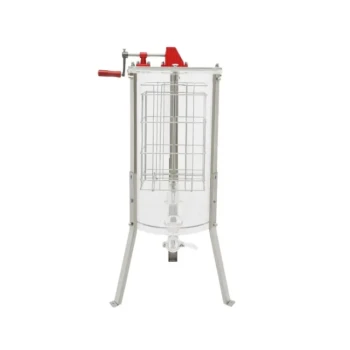
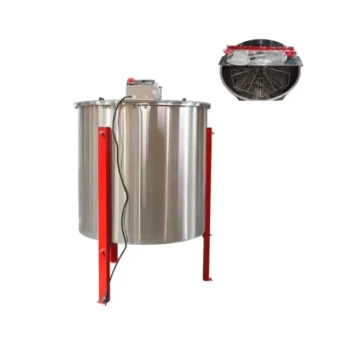
The initial stage of pretreatment involves the use of industrial centrifuges. These machines spin the raw material at high speeds, generating significant centrifugal force.
This force exploits the density difference between liquid honey and solid contaminants. It effectively drives heavier insoluble impurities, such as wax fragments and hive debris, away from the pure honey.
Microscopic Refinement via Filtration
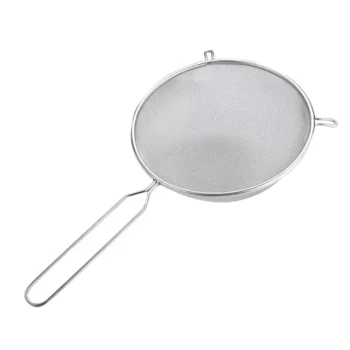
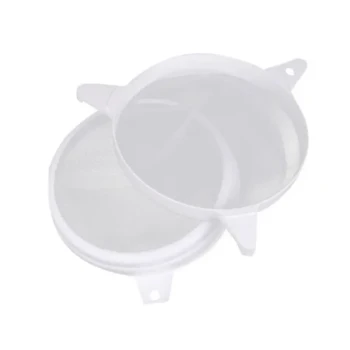
Following centrifugation, the honey typically undergoes high-precision filtration. This step is designed to "polish" the liquid by trapping particles that were too small or light to be separated by centrifugal force.
This often involves multi-stage systems that progressively target smaller particulates. The result is a fluid that is physically clean and optically clear.
The Scientific Necessity
Eliminating Experimental Noise
For researchers studying the properties of rapeseed honey or oak honeydew honey, purity is paramount. The primary reference highlights that these processes are essential for preparing samples for antibacterial experiments.
By removing non-experimental impurities, the equipment prevents external matter from interfering with microbial growth observations. This ensures data integrity, confirming that results are due to the honey's properties rather than contaminants.
Standardization of Samples
When conducting comparative analysis between different honey types, consistency is required. Mechanical pretreatment ensures that all samples meet a baseline standard of physical purity.
This standardization allows for accurate comparisons of biochemical markers, such as proline content or moisture levels, across different batches.
Commercial Implications
Ensuring Shelf Stability
Beyond the laboratory, supplementary data indicates that this equipment plays a vital role in commercial viability. By removing wax particles and air bubbles, the machinery helps prevent premature crystallization.
Enhancing Visual Appeal
Filtration removes the turbidity caused by suspended pollen and wax. For commercial markets, this results in the clear, transparent appearance often associated with high-quality table honey.
Critical Considerations and Trade-offs
Balancing Purity with Bioactivity
While high-precision filtration ensures clarity and experimental purity, there is a trade-off regarding composition. Excessive filtration can potentially remove beneficial components, such as pollen, which are markers of geographical origin.
The Impact of Processing Intensity
Industrial processing typically aims for efficiency and clarity to meet market standards. However, strictly scientific preparation focuses on inert separation.
It is crucial to ensure that the mechanical stress of centrifugation or the mesh size of filters does not strip away the specific bioactive components—such as enzymes or peptides—that are being studied.
Making the Right Choice for Your Goal
Whether you are processing honey for shelf stability or preparing it for a petri dish, the equipment setup must align with your end goal.
- If your primary focus is Scientific Research: Prioritize high-precision filtration to remove all microscopic variables that could skew antibacterial or microbial growth data.
- If your primary focus is Commercial Production: Focus on multi-stage systems that balance impurity removal with high throughput to ensure visual clarity and prevent crystallization.
Ultimately, the function of this equipment is to isolate the chemical essence of the honey from the physical chaos of the hive.
Summary Table:
| Process Step | Primary Mechanism | Target Contaminants | Purpose |
|---|---|---|---|
| Centrifugation | High-speed rotational force | Wax fragments, hive debris, heavy impurities | Coarse physical separation |
| Filtration | Multi-stage precision mesh | Microscopic particles, suspended pollen, air bubbles | Microscopic refinement and clarity |
| Scientific Goal | Inert physical purification | Experimental noise, external contaminants | Standardization for bioactivity testing |
| Commercial Goal | Mechanical polishing | Turbidity, crystallization triggers | Shelf stability and visual appeal |
Optimize Your Honey Processing with HONESTBEE
Whether you are a commercial apiary seeking shelf-stable products or a distributor sourcing industrial-grade machinery, HONESTBEE provides the full spectrum of beekeeping solutions. We supply everything from specialized hive-making and honey-filling machines to precision beekeeping tools and essential consumables.
Our equipment ensures your honey maintains its bioactive integrity while meeting the highest standards of physical purity. Contact us today to discover how our wholesale offerings and technical expertise can enhance your production efficiency and product quality.
References
- Dinkov Dinko, Stoyanchev Todor. Antibacterial effect of Royal gelly, mix from Royal jelly and rape honey (1:100), rape and oak honeydew honeys against Escherichia coli (ATCC 25922). DOI: 10.5897/ajpp2012.601
This article is also based on technical information from HonestBee Knowledge Base .
Related Products
- Electric Double Wall Honey Filtering Machine Purifier Equipment for Honey Processing Plant
- Manual Hand Crank 4 Frame Honey Extractor Centrifuge for Beekeeping
- Honey Concentrating and Filtering Dehumidifier Machine 2T Capacity for Honey
- electric honey extractor honey centrifuge 3 frame honey extractor stainless steel honey frame extractor
- Conical Nylon Honey Strainer Filter Bag for Beekeeping and Honey Filtration
People Also Ask
- What types of equipment are used in honey filtering? Build an Efficient System for Pure, Marketable Honey
- What is the process of filtering honey? A Guide to Clean, Pure, and Market-Ready Honey
- What is the overall importance of using the right equipment in honey filtering? Boost Quality & Marketability
- What role do professional honey harvesting and filtering equipment play in meeting honey market quality standards? Boost ROI
- What is a potential concern associated with filtering honey? Balancing Clarity and Pollen Preservation