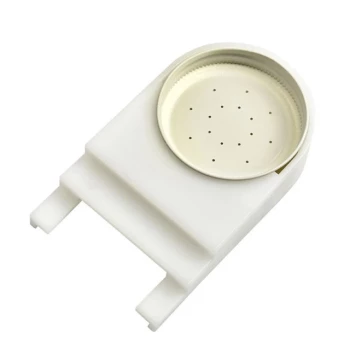
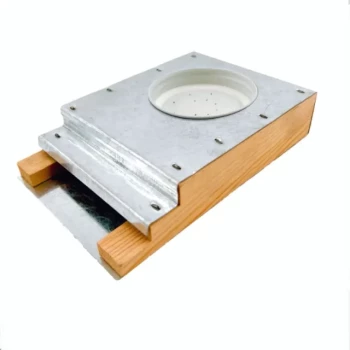
Supplementary feeding systems act as a critical life-support mechanism for honeybee colonies when climate fluctuations disrupt natural nectar flows. These interventions provide essential syrup and water to prevent starvation, ensuring the core population survives extreme conditions like drought or unseasonal floral shortages.
The primary function of supplementary feeding is to bridge the gap between natural nectar scarcity and colony survival requirements. By maintaining energy levels and preventing colony collapse, these systems preserve the workforce needed to capitalize on future honey flows.
Ensuring Colony Survival in Extreme Conditions
Preventing Mortality and Collapse
During dry seasons or interruptions in nectar flow, natural food sources can disappear rapidly.
Without intervention, colonies face the immediate risk of mass mortality due to starvation.
Supplementary feeding provides the necessary calories to keep the colony alive until natural resources return.
Mitigating the Risk of Absconding
When resources are critically low, a colony may abandon the hive entirely—a behavior known as absconding.
Providing a reliable source of syrup anchors the bees to the hive.
This preserves the colony structure and prevents the loss of your core genetic stock during environmental stress.
Maintaining Biological Continuity
Sustaining the Queen’s Productivity
A lack of incoming food signals the queen bee to stop laying eggs to conserve resources.
Auxiliary feeding provides the nutritional stimulus required for the queen to maintain egg-laying consistency.
This ensures the brood cycle continues, preventing a dangerous drop in population numbers.
Preserving the Future Workforce
Survival is not enough; the colony must be strong enough to work when the weather improves.
Feeding ensures a sufficient population of worker bees is maintained through winter or drought.
This keeps the colony in a state of readiness to maximize productivity during the next peak honey flow, such as rapeseed or lychee blooms.
Physiological Support and Stress Reduction
Fueling Hive Thermoregulation
Bees require significant energy to generate heat and maintain stable hive temperatures.
High-concentration sugar syrup (often in a 2:1 ratio) acts as a high-density fuel source.
This is critical for survival during late autumn and winter, allowing the cluster to stay warm without exhausting their internal reserves.
Reducing Physiological Stress
Forcing bees to forage in a barren landscape leads to rapid physical exhaustion and shorter lifespans.
In-hive feeding systems bring resources directly to the colony.
This reduces the physiological toll on the bees, preserving their health and vitality for the overwintering period.
Understanding the Trade-offs
Nutritional Limitations
While syrup provides essential carbohydrates, it is an incomplete food source.
It lacks the complex micronutrients, proteins, and enzymes found in natural nectar and pollen.
It should be viewed as an energy bridge, not a long-term nutritional replacement for a biodiverse environment.
Cost and Labor Intensity
Implementing supplementary feeding requires investment in industrial-grade sugar or pollen substitutes.
It also demands rigorous management to monitor consumption rates and prevent spoilage.
Mismanagement can lead to dependency or contamination of honey stores if feeding overlaps with nectar flows.
Making the Right Choice for Your Goal
To apply this effectively, tailor your feeding strategy to your specific objective:
- If your primary focus is Colony Survival (Winter/Drought): Prioritize high-concentration syrup to provide maximum energy for heat generation and to prevent starvation.
- If your primary focus is Future Productivity (Pre-Flow): Use feeding to stimulate the queen's egg-laying, ensuring a large workforce is hatched and ready before the nectar flow begins.
Strategic supplementary feeding is the single most effective tool for stabilizing apiary populations against the unpredictability of a changing climate.
Summary Table:
| Feature | Primary Function | Key Benefit |
|---|---|---|
| Energy Provision | Supplies high-calorie syrup (2:1 ratio) | Prevents mass mortality and colony collapse during drought |
| Queen Stimulation | Mimics natural nectar flow | Maintains egg-laying consistency to preserve future workforce |
| Hive Thermoregulation | Provides fuel for heat generation | Ensures survival during cold winters and climate fluctuations |
| Stress Reduction | Reduces foraging distance | Minimizes physical exhaustion and extends worker bee lifespans |
| Strategic Anchoring | Stabilizes internal resources | Prevents colony absconding and preserves genetic stock |
Secure Your Apiary’s Future with HONESTBEE Professional Solutions
Don't let climate fluctuations jeopardize your honey production. HONESTBEE provides commercial apiaries and distributors with the high-performance tools and consumables needed to thrive in any season. From industrial-grade feeding systems and syrup consumables to advanced honey-filling machines and specialized hive-making equipment, we offer a comprehensive wholesale portfolio designed for professional success.
Partner with HONESTBEE to enhance your efficiency and scale your operations.
Contact Our Specialist Team Today
References
- Getrude D. Kileo, Samora M. Andrew. Determinants of beekeeper’s perceptions and adaptations to climate variability in Njombe and Manyoni Districts, Tanzania. DOI: 10.21203/rs.3.rs-8220433/v1
This article is also based on technical information from HonestBee Knowledge Base .
Related Products
- HONESTBEE Entrance Bee Feeder Efficient Hive Front Liquid Feeding Solution for Beekeeping
- Classic Boardman Entrance Bee Feeder Hive Front Feeding Solution
- HONESTBEE Professional Hive Top Bee Feeder Feeding Solution
- In-Hive Dual Compartment Frame Bee Feeder for Targeted Colony Nutrition
- HONESTBEE Professional Entrance Bee Feeder Hive Nutrition Solution
People Also Ask
- What types of bee feeders are available for beginners? Start with the Simple Entrance Feeder
- What are the advantages and disadvantages of using an entrance feeder for bees? Balance Convenience and Hive Security.
- What is a bee entrance feeder and what are its drawbacks? Essential Guide to Hive Security and Feeding Efficiency
- How does a bee entrance feeder work? A Simple Guide to Convenient Hive Feeding
- How to make an entrance feeder for bees? A DIY Guide for Safe & Effective Feeding