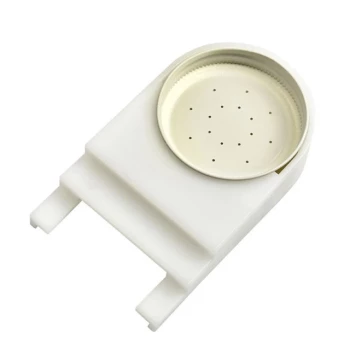
The primary objective of stimulating feedings is to artificially mimic an abundant natural nectar flow during the volatile early spring period. By compensating for the lack of natural forage, this practice triggers specific biological responses within the hive, specifically activating nurse bees and encouraging the queen to drastically increase egg production. The ultimate goal is to accelerate population growth so the colony reaches peak strength exactly when the main honey flow begins.
Stimulating feeding is a strategic acceleration tool, not merely a survival mechanism. It aims to synchronize the colony's maximum population with the season's peak resource availability, ensuring the bees spend the main flow harvesting rather than recovering.
The Biological Triggers of Incentive Feeding
Simulating Resource Abundance
In early spring, natural nectar sources are often scarce or inconsistent due to weather.
Stimulating feedings provide a steady supply of carbohydrate substitutes, usually via syrup feeding systems.
This convinces the colony that resources are plentiful, even if the environment is not yet fully supporting them.
Activating Nurse Bees
The influx of artificial feed directly impacts the colony's workforce.
It activates the behavior of nurse bees, who are responsible for feeding the brood.
When nurse bees are active and well-fed, the colony perceives it is safe and sustainable to raise new generations.
Triggering the Queen's Production
The queen bee regulates her egg-laying based on the incoming food supply.
By simulating a nectar flow, you effectively signal the queen to begin high-intensity egg-laying.
This jumpstarts the colony's transition from winter survival mode to rapid spring expansion.
Strategic Benefits for the Colony
Accelerating Post-Winter Recovery
Colonies often emerge from winter with depleted populations.
Incentive feeding helps recover these losses quickly by ensuring a consistent nutritional baseline.
This prevents the colony from stalling due to "nutritional stress" during the critical weeks of early development.
Maximizing Natural Forage Utilization
A small colony cannot effectively harvest a massive nectar flow.
By building the population early, you ensure you have a maximum number of forager bees ready when the major blooms occur.
This allows the hive to utilize available natural forage to its fullest potential later in the season.
Understanding the Trade-offs
The Risk of Expanded Consumption
Stimulating growth creates a "hungry" colony with many mouths to feed.
If you stop feeding before natural nectar is available, a large brood nest can face starvation much faster than a small one.
Dependence on Consistency
Once you start incentive feeding, you must maintain it until nature takes over.
As noted in research trials, maintaining a nutritional baseline is critical; gaps in feeding can cause the queen to stop laying, undoing your progress.
Making the Right Choice for Your Goal
Deciding when and how to feed depends on what you need your hive to accomplish this season.
- If your primary focus is Maximum Honey Production: Start stimulating feeding early enough (6–8 weeks before the main flow) to ensure you have a massive workforce ready to harvest.
- If your primary focus is Colony Survival: Use feeders to prevent starvation and provide a safety net during early spring weather fluctuations, rather than aggressively pushing for rapid expansion.
By manipulating resource availability through stimulating feedings, you take control of the colony's biological clock to match your production goals.
Summary Table:
| Objective | Biological Response | Strategic Outcome |
|---|---|---|
| Resource Simulation | Mimics abundant nectar flow despite early spring weather | Signals colony safety and sustainability |
| Nurse Bee Activation | Increases royal jelly production and brood care | Ensures high survival rates for new generations |
| Queen Stimulation | Triggers high-intensity egg-laying cycles | Accelerates transition from winter survival to growth |
| Population Syncing | Coordinates peak bee numbers with main honey flow | Maximizes seasonal honey yield and forage efficiency |
Maximize Your Colony’s Potential with HONESTBEE
Strategic spring feeding is the key to transforming a recovering colony into a honey-producing powerhouse. At HONESTBEE, we specialize in supporting commercial apiaries and distributors with the professional tools needed for large-scale success. From precision syrup feeding systems and hive-making machinery to advanced honey-filling equipment, our comprehensive wholesale catalog provides everything you need to scale your operations.
Whether you are stocking essential consumables for the season or upgrading your facility's hardware, HONESTBEE delivers industry-leading quality designed for professional beekeepers. Let us help you synchronize your production with nature’s peak—Contact our team today for wholesale inquiries and expert support!
References
- Zarema M. Dolgieva, Khamzat H. Evloev. Breeding of a new breed type "Ingush" of the grey mountain Caucasian breed of bees, adapted to local climatic conditions. DOI: 10.55196/2411-3492-2024-1-43-61-69
This article is also based on technical information from HonestBee Knowledge Base .
Related Products
- In-Hive Dual Compartment Frame Bee Feeder for Targeted Colony Nutrition
- HONESTBEE Entrance Bee Feeder Efficient Hive Front Liquid Feeding Solution for Beekeeping
- HONESTBEE Professional Hive Top Bee Feeder Feeding Solution
- HONESTBEE Entrance Bee Feeder Professional Hive Nutrition Solution for Beekeeping
- HONESTBEE Round Hive Top Bee Feeder for Syrup
People Also Ask
- What are the advantages of using a frame feeder for bee colonies? Boost Growth and Prevent Robbing Efficiently
- Why should sugar syrup or dry sugar not be left out in the open when feeding bees? Avoid a Dangerous Feeding Frenzy
- What precautions should be taken when feeding bees inside the hive? Safeguard Your Colony from Robbing and Leaks
- How do in-hive feeders support honey bee colonies during autumn? Ensure Overwintering Success for Your Apiary
- How do high-quality in-hive feeders assist in managing bee colonies during pesticide contamination? Protect Your Apiary