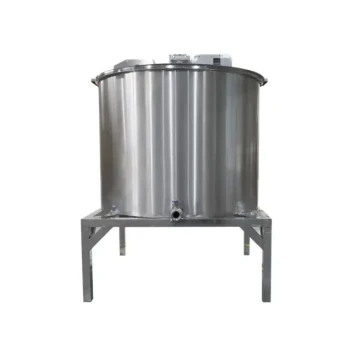
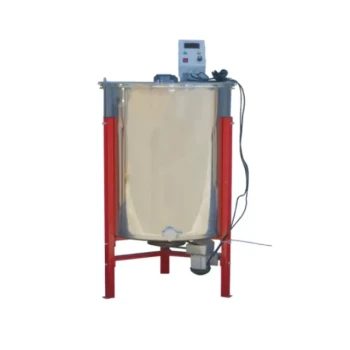
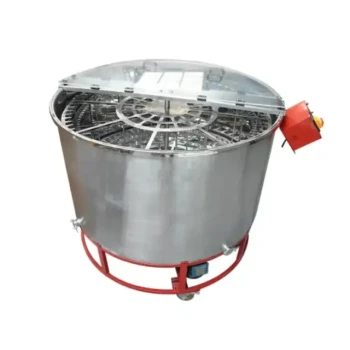
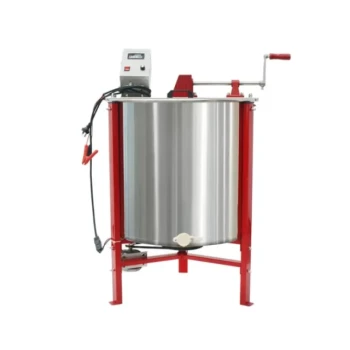
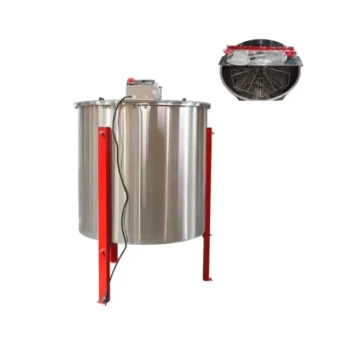
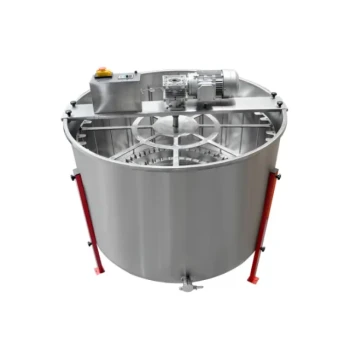
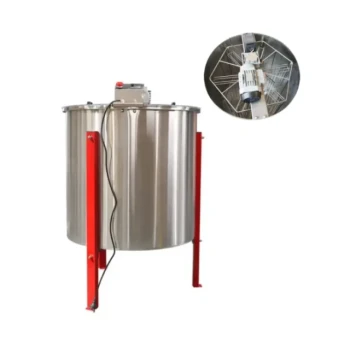
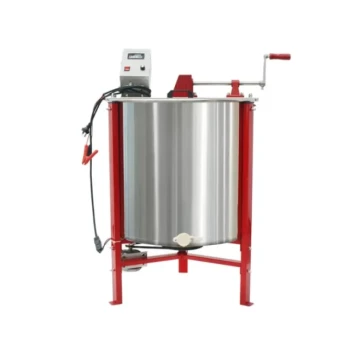
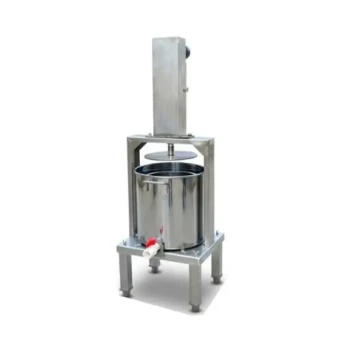
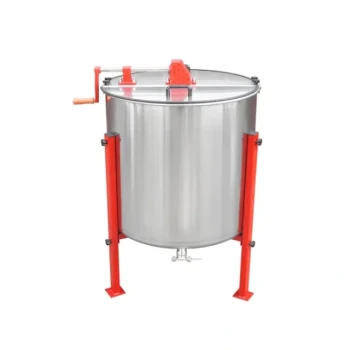
The primary function of high-capacity centrifugal honey extractors is to process massive volumes of ripe honeycombs rapidly without compromising their structural integrity. By utilizing centrifugal force, these machines separate honey from the wax cells at high speeds. This capability ensures that harvesting keeps pace with explosive nectar flows, allowing empty combs to be immediately returned to the hive for refilling.
Core Takeaway: During peak production windows, the limiting factor is often time, not nectar availability. High-capacity extractors solve this by eliminating processing bottlenecks and preserving the wax comb, which allows the bee colony to focus its energy on nectar collection rather than rebuilding infrastructure.
The Mechanics of Efficient Extraction
Utilizing Centrifugal Force
The core mechanism of these machines relies on high-speed rotation. This generates sufficient centrifugal force to expel mature honey from the honeycomb cells efficiently.
Separation Without Destruction
Unlike traditional pressing methods, this process separates the liquid honey from the wax without crushing the comb. This mechanical precision is critical for maintaining the frame's structure for future use.
addressing the "Peak Flow" Challenge
Managing Explosive Nectar Production
Nectar flows often occur in brief, intense windows. High-capacity equipment is designed to prevent resource waste caused by slow processing speeds, ensuring raw materials are converted into finished products before the flow ends.
Accelerating Production Cycles
The ability to process frames quickly supports a rapid turnover rate. Beekeepers can harvest and return empty frames to the hive in a single cycle, preventing congestion within the hive that could slow down the bees' work.
The Biological and Economic Impact
Conserving Colony Energy
Bees consume significant amounts of energy and time to secrete new beeswax. By returning undamaged combs to the hive, you eliminate the need for bees to rebuild, allowing them to redirect that energy toward honey production.
Improving Hygiene and Profitability
Mechanizing the separation process reduces the risk of contamination associated with manual handling. This ensures the final product meets purity standards while maximizing profit margins by minimizing material loss.
Understanding the Operational Trade-offs
The Balance of Speed vs. Integrity
While the goal is rapid processing, the centrifugal force must be carefully calibrated. If the rotation is too aggressive, it risks blowing out the wax foundation; if too slow, honey retention remains high, leading to waste.
The Cost of Bottlenecks
The primary pitfall during peak flow is under-capacity. Failing to use high-efficiency equipment results in a backlog of filled frames, effectively capping your potential yield regardless of how productive the bees are.
Making the Right Choice for Your Goal
To maximize the utility of a high-capacity extractor, align your usage with your specific operational objectives:
- If your primary focus is Volume Maximization: Ensure your processing speed matches or exceeds the daily intake rate of your hives to prevent "honey-bound" colonies.
- If your primary focus is Colony Health: Prioritize the preservation of the comb structure to reduce the biological stress and energy load on your worker bees.
Ultimately, the value of a high-capacity extractor lies not just in harvesting honey, but in returning the "machinery" of production—the comb—back to the bees as quickly as possible.
Summary Table:
| Feature | High-Capacity Extractor Benefit | Impact on Production |
|---|---|---|
| Processing Speed | Rapidly handles massive honeycomb volumes | Eliminates harvesting bottlenecks |
| Comb Preservation | Separates honey without crushing wax cells | Saves bee energy on infrastructure |
| Turnover Rate | Quick return of empty frames to the hive | Maximizes collection during flow windows |
| Hygiene & Purity | Mechanized centrifugal separation | Reduces contamination and material loss |
Scale Your Apiary Operations with HONESTBEE
At HONESTBEE, we specialize in empowering commercial apiaries and distributors with the robust machinery needed to dominate peak nectar seasons. Whether you require high-capacity honey-filling machines, specialized hive-making equipment, or a full spectrum of wholesale beekeeping tools and consumables, our portfolio is designed to maximize your efficiency and profitability.
Don't let slow processing cap your yields. From industrial hardware to honey-themed cultural merchandise, we provide the comprehensive solutions your business deserves. Contact HONESTBEE today to discuss our wholesale offerings and discover how we can streamline your production cycle!
References
- Anastasiya Osokina, Lidiya Kolbina. The ecological and biological characteristics of honey plants of the Udmurt Republic. DOI: 10.32417/1997-4868-2024-24-07-896-908
This article is also based on technical information from HonestBee Knowledge Base .
Related Products
- 32 Frame Commercial Electric Honey Extractor for Beekeeping and Honey Production
- electric honey extractor honey centrifuge 3 frame honey extractor stainless steel honey frame extractor
- Manual Hand Crank 4 Frame Honey Extractor Centrifuge for Beekeeping
- Professional 4 Frame Self Reversing Electric Honey Extractor for Beekeeping
- Commercial Electric 12 Frame Honey Extractor Spinner Motorized Honey Extractor
People Also Ask
- What are commercial honey extractors used for? Boost Your Apiary's Efficiency & Profitability
- What is a commercial honey extractor? The Essential High-Volume Solution for Large Apiaries
- Who are commercial honey extractors designed for? Scaling Your Industrial Beekeeping Success
- How is honey extracted commercially? Maximize Your Apiary's Efficiency and Honey Yield
- What are commercial honey extractors and for what scale of beekeeping are they intended? Scale Your 200+ Colony Apiary