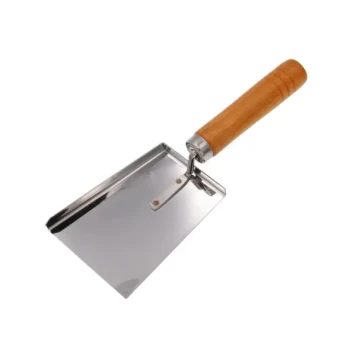
The primary function of specialized honey extraction equipment in Meliponine cultivation is to employ precise physical separation technology—primarily negative pressure suction—to harvest honey efficiently while protecting the colony's intricate structure. Because stingless bees store honey in irregular cerumen pots rather than standard honeycomb frames, this machinery is essential to extract the liquid without destroying the hive's architecture or compromising the honey’s potent antimicrobial properties through environmental contamination.
Specialized equipment bridges the gap between commercial scalability and biological sustainability, allowing for hygienic extraction that preserves the honey's pharmacological value while drastically reducing the time bees need to rebuild their food stores.
Adapting to Unique Hive Architecture
Navigating Cerumen Pots
Unlike European honeybees that utilize uniform wax combs, Meliponine bees store honey in cerumen pots made of a mixture of wax and resin.
Specialized equipment is designed to navigate these irregular structures. It allows the harvester to access honey stores without crushing the surrounding architecture or disturbing the critical brood area.
Precision Physical Separation
The core technology relies on negative pressure suction or dedicated extractors.
This method physically draws the honey out of the pots. It replaces destructive manual methods (like squeezing) that would otherwise necessitate the complete destruction of the food storage pots.
Preserving Pharmacological Purity
Protecting Bioactive Components
Meliponine honey is prized for its high levels of antifungal and antimicrobial components.
Professional extraction machinery employs closed-loop systems to minimize exposure to air and external pathogens. This maintains the concentration of pharmacologically active substances that give the honey its medicinal value.
Minimizing Contamination
High-precision filtration units are often integrated into the extraction workflow.
These units remove wax residue, pollen grains, and other physical impurities immediately after suction. This results in a cleaner end product that meets the hygiene standards required for pharmaceutical or cosmetic applications.
Enhancing Colony Recovery and Efficiency
Reducing Repair Intervals
By using suction devices that preserve the structural integrity of the cerumen pots, the colony is spared the task of rebuilding its storage infrastructure from scratch.
This significantly shortens the interval between honey production cycles. The bees can immediately focus on refilling the existing pots rather than expending energy on construction.
Sustainable Harvesting
Specialized gear supports non-predatory extraction techniques.
Because the extraction is controlled and precise, beekeepers can carefully gauge harvest volumes. This ensures the colony retains sufficient metabolic reserves to prevent exhaustion or collapse.
Understanding the Trade-offs
Equipment Cost vs. Scale
While effective, specialized suction and filtration systems represent a significant capital investment compared to traditional manual methods.
For small-scale hobbyists, the cost of laboratory-grade extraction equipment may outweigh the efficiency gains. It is most justifiable for operations scaling toward commercial production.
Operational Complexity
Using advanced extraction technology introduces a need for rigorous cleaning and maintenance protocols.
Because the equipment interacts with high-value, bioactive substances, any residue left in suction tubes or filters can lead to fermentation or contamination, negating the purity benefits the equipment provides.
Making the Right Choice for Your Goal
To maximize the potential of your Meliponine apiary, align your equipment choice with your production targets:
- If your primary focus is Pharmaceutical Grade Honey: Prioritize equipment with closed-loop suction and high-precision filtration to maximize the retention of antimicrobial properties and hygiene.
- If your primary focus is Commercial Scalability: Invest in negative pressure devices that maximize pot preservation, as this directly increases the frequency of your harvest cycles.
By selecting the right extraction technology, you transform honey harvesting from a destructive event into a sustainable, continuous production cycle.
Summary Table:
| Feature | Specialized Suction Equipment | Traditional Manual Methods |
|---|---|---|
| Extraction Method | Negative pressure suction (non-destructive) | Squeezing or crushing (destructive) |
| Hive Impact | Preserves cerumen pots and colony structure | Destroys storage pots; high stress |
| Honey Purity | High; closed-loop prevents contamination | Lower; risk of wax and debris mixing |
| Recovery Time | Rapid; bees refill existing pots immediately | Slow; bees must rebuild entire structure |
| Best Use Case | Commercial apiaries & pharmaceutical grade | Small-scale hobbyists & local use |
Scale Your Meliponine Operations with HONESTBEE
Transitioning from traditional harvesting to commercial-scale honey production requires precision and efficiency. HONESTBEE specializes in supporting commercial apiaries and distributors by providing a comprehensive wholesale range of beekeeping tools, machinery, and essential consumables.
From advanced honey extraction and filling machines to specialized hive-making hardware, we empower you to preserve the pharmacological value of your honey while maximizing harvest cycles.
Ready to upgrade your apiary with professional-grade equipment? Contact our specialists today to discuss your wholesale needs
References
- Sam Droege. The Honey Trap: How Good Intentions of Urban Beekeepers Risk Ecological Disaster. DOI: 10.1093/ae/tmaf003
This article is also based on technical information from HonestBee Knowledge Base .
Related Products
- 2 Frame Stainless Steel Manual Honey Spinner Extractor for Beekeeping
- Professional Stainless Steel Pry-Bar Hive Tool
- All-Stainless Steel Pivoting Honey Uncapping Fork for Beekeeping
- Adjustable Stainless Steel Honey Uncapping Fork with Scraper for Beekeeping
- High Performance Cordless Electric Bee Shaker for Beekeeping
People Also Ask
- What are the features of a manual two-frame stainless steel honey extractor? Durable, Off-Grid Beekeeping Solutions
- Which type of honey extractor is generally more durable? Focus on Material & Build Quality for Longevity
- What is a manual honey extractor? The Essential Guide to Cost-Effective Beekeeping for Beginners
- What are the disadvantages of a manual honey extractor? Overcome Efficiency Bottlenecks in Your Apiary
- Why are manual extractors popular among beginner beekeepers? A Guide to Starting Simple & Saving Money