The primary purpose of using glass sampling bottles is to ensure chemical inertness, preventing the container from absorbing pesticide residues or leaching contaminants into the sample. Simultaneously, industrial-grade coolers are strictly required to maintain a constant temperature of 4°C, which halts chemical degradation and microbial activity during transport.
Core Takeaway The validity of a pesticide residue analysis relies entirely on the sample arriving at the laboratory in the exact chemical state it left the hive. Glass containers and active cooling are not merely storage solutions; they are preservation controls designed to eliminate false negatives caused by sample degradation or container interference.
The Role of Material Selection: Why Glass?
Preventing Adsorption (Loss of Sample)
Pesticide residues often exist in honey at trace levels (parts per billion). Plastic containers, even high-quality ones, can attract and "hold" these specific molecules on their surface.
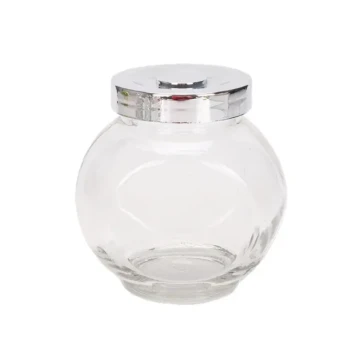
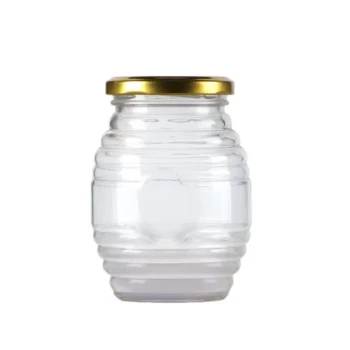
Clean glass bottles are non-porous and impermeable. They prevent the adsorption of pesticide residues, ensuring that the tiny amount of chemical present in the honey stays in the honey, rather than sticking to the container walls.
Eliminating Leaching (Contamination)
Plastics can release plasticizers or other synthetic compounds when in contact with acidic substances like honey. These leached chemicals can mimic pesticides or obscure results during sensitive laboratory testing.
Glass is chemically inert. It guarantees that the "chemical fingerprint" detected by the lab originates solely from the hive, not from the degradation of the sampling bottle itself.
The Role of Temperature Control: Why Industrial Coolers?
Inhibiting Chemical Degradation
Pesticide compounds are often volatile and thermally unstable. Exposure to heat, even for short periods during transport, can cause these molecules to break down.
Industrial-grade coolers are essential to maintain a precise temperature (specifically 4°C). This creates a status of "suspended animation" for the chemical compounds, preventing them from decomposing before they can be measured.
Stopping Microbial Interference
Honey contains natural yeasts and enzymes. Without cooling, these can trigger fermentation or other biochemical changes that alter the sample's matrix.
By maintaining a consistent low-temperature environment, you inhibit microbial activity. This ensures the sample remains stable, allowing for an accurate reading that reflects the apiary's condition rather than spoilage that occurred inside the truck.
Understanding the Trade-offs
Glass Fragility vs. Chemical Accuracy
The obvious downside of glass is its fragility compared to materials like HDPE (High-Density Polyethylene). However, in pesticide monitoring, physical durability is sacrificed for chemical accuracy. While HDPE is excellent for preserving vitamins or organic acids, its potential to interact with trace organic pollutants makes it unsuitable for this specific application.
Passive vs. Active Cooling
Standard camping coolers often fail to hold strict temperatures over long transport distances. Industrial coolers are distinct because they offer precise temperature regulation (often within ±2°C). Relying on insufficient cooling can result in a "clean" test result simply because the pesticide residue degraded during the drive, leading to a dangerous false sense of safety.
Making the Right Choice for Your Goal
To ensure your sampling data is legally and scientifically defensible, align your equipment with your specific analytical target:
- If your primary focus is Pesticide Residue: Use clean glass bottles and keep samples strictly at 4°C to prevent chemical interaction and thermal breakdown.
- If your primary focus is Microbial Load: Prioritize sterilized containers (glass or sterile bags) to prevent secondary contamination from the environment.
- If your primary focus is Nutrient Preservation: Use HDPE bottles to protect light-sensitive vitamins and prevent reactions with organic acids, provided pesticide testing is not required.
Precision in sampling equipment is the only way to ensure precision in laboratory results.
Summary Table:
| Equipment Component | Primary Function | Why It Matters for Pesticide Monitoring |
|---|---|---|
| Glass Sampling Bottles | Chemical Inertness | Prevents pesticide adsorption and eliminates chemical leaching. |
| Industrial-grade Coolers | Thermal Regulation | Maintains 4°C to halt chemical degradation and microbial activity. |
| 4°C Temperature State | Sample Preservation | Ensures the chemical 'fingerprint' remains stable during transport. |
| Non-porous Surfaces | Loss Prevention | Guarantees trace-level residues do not stick to container walls. |
Elevate Your Apiary Operations with HONESTBEE
Precise monitoring is just the beginning of a successful honey business. At HONESTBEE, we empower commercial apiaries and distributors by providing the industry's most comprehensive range of professional equipment.
Our Value to You:
- Industrial Machinery: From high-capacity hive-making units to precision honey-filling machines.
- Essential Tools & Consumables: A full spectrum of beekeeping hardware and high-quality consumables designed for large-scale production.
- Growth Solutions: Whether you are expanding your wholesale distribution or optimizing your processing facility, we provide the tools to scale your success.
Contact HONESTBEE Today to discover how our specialized equipment can streamline your production and enhance your market value.
References
- Danny Rodríguez López, Jairo A. Guerrero. Evaluation of pesticide residues in honey from different geographic regions of Colombia. DOI: 10.1016/j.foodcont.2013.09.011
This article is also based on technical information from HonestBee Knowledge Base .
Related Products
- Premium Diamond-Faceted Glass Honey Dispenser
- Premium Heat-Resistant Glass Honey Dipper
- Classic Round Glass Honey Jar with Lid
- Hexagonal Squeeze Honey Bottle with No Drip Lid
- Classic Beehive Honey Bottle Jar with Squeeze Dispenser Lid
People Also Ask
- How to clean a honey dripper? A Simple Guide to Preserve Your Tool's Quality
- What is the proper method for cleaning a honey dipper? Maintain Pure Flavor with These Easy Pro Tips
- What is a honey dipper? Master the Art of the Perfect Drizzle with This Essential Tool
- How do you clean and store a honey dipper? Simple Steps for Long-Lasting Performance
- What is a honey taking spoon called? Discover the Tool for a Perfect, Mess-Free Drizzle