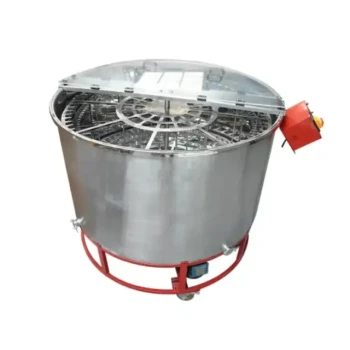
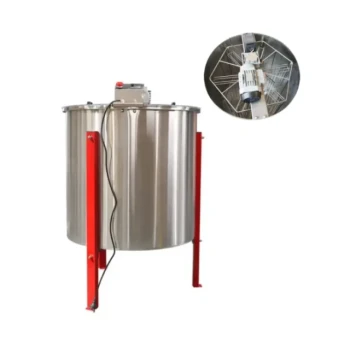
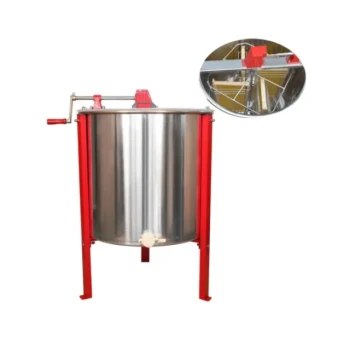
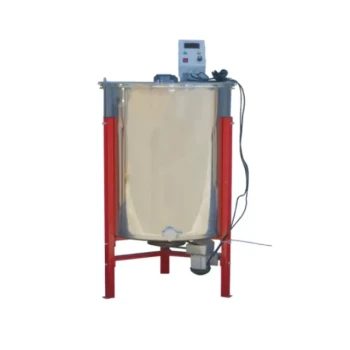
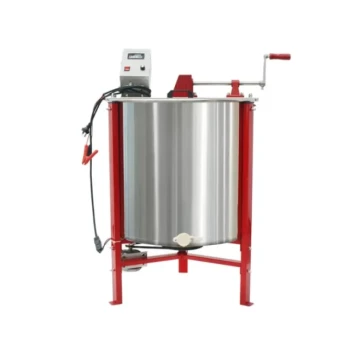
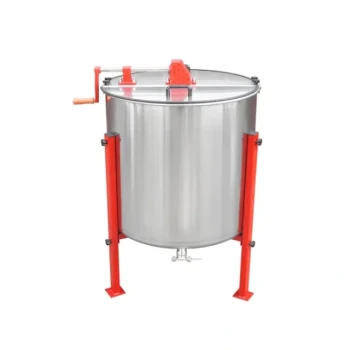
Stainless steel is unequivocally the recommended material for a high-quality honey extractor. It provides a hygienic, non-porous surface that resists rust and withstands the rigorous, moisture-heavy environment of honey processing better than any other standard material.
Core Insight While plastic models exist for budget-conscious hobbyists, stainless steel is the industry standard for a reason. It ensures the purity of your harvest by resisting odor absorption and provides the structural rigidity necessary to stabilize the unit during high-speed spinning.
The Critical Role of Material Selection
Choosing the right material is not just about aesthetics; it dictates the lifespan of your equipment and the quality of your final product.
Uncompromising Durability
Honey extractors operate in a messy, sticky, and moisture-rich environment. Stainless steel is inherently resistant to moisture and rust.
Unlike materials that may degrade or crack over time, a stainless steel drum ensures a long service life. This durability transforms the extractor from a consumable item into a long-term asset.
Preserving Flavor and Purity
Your equipment should never influence the taste of your product. Stainless steel is non-porous and does not absorb odors or flavors.
This prevents cross-contamination between harvests. Plastic alternatives risk retaining scents that could taint delicate honey varietals, whereas stainless steel ensures the honey remains pure.
Ease of Maintenance
Sanitation is paramount in food processing. Stainless steel surfaces are incredibly easy to clean and sanitize after use.
A simple wipe-down with a damp cloth and cold water effectively removes dust and spills from the exterior, while the smooth interior prevents bacteria from finding purchase.
Stability: The Overlooked Factor
The material of the drum is important, but the material of the support structure is equally critical for performance.
The Importance of Metal Legs
The primary reference highlights that the best models feature legs made of thick stainless steel.
Plastic or thin metal legs often fail to withstand the centrifugal force generated during extraction.
Preventing Mechanical Failure
A sturdy stainless steel base provides essential stabilization during the spinning process.
This rigidity reduces vibration and wobbling, making the unit significantly less likely to break under the stress of an unbalanced load.
Understanding the Trade-offs
While stainless steel is the superior technical choice, it is important to weigh the investment against your specific constraints.
Cost vs. Longevity
Stainless steel models generally command a higher upfront price compared to plastic units.
However, this cost is often offset by the lack of replacement needs. A plastic extractor may save money initially but often leads to higher costs over time due to wear and breakage.
Weight and Portability
Stainless steel is heavier than plastic. While this added weight is excellent for stability during operation, it can make the unit more difficult to transport if you plan to move it frequently between apiaries.
Making the Right Choice for Your Goal
When selecting your extractor, align your choice with your long-term objectives for your apiary.
- If your primary focus is product purity: Choose food-grade stainless steel to ensure zero flavor transfer or odor absorption.
- If your primary focus is operational stability: Prioritize models with thick stainless steel legs to minimize wobble and vibration during extraction.
- If your primary focus is long-term value: Avoid plastic and invest in stainless steel to eliminate the need for future replacements due to cracking or rust.
Invest in stainless steel today to protect the quality of your honey and the safety of your operation for years to come.
Summary Table:
| Feature | Stainless Steel Extractors | Plastic Extractors |
|---|---|---|
| Durability | High; resists rust and cracking | Moderate; prone to wear and UV damage |
| Hygiene | Non-porous; easy to sanitize | Porous; can absorb odors and flavors |
| Stability | High; rigid frames minimize vibration | Low; lightweight, prone to wobbling |
| Longevity | Professional investment for decades | Entry-level for short-term hobby use |
| Maintenance | Very easy; food-grade surface | Moderate; requires careful cleaning |
Elevate Your Honey Production with HONESTBEE
Maximize your harvest efficiency and ensure product purity with professional-grade equipment. HONESTBEE specializes in serving commercial apiaries and distributors with high-performance stainless steel honey extractors, honey-filling machinery, and a full spectrum of beekeeping tools.
Whether you are scaling your operation or sourcing premium inventory for distribution, our wholesale solutions are designed to deliver long-term value and mechanical reliability. Contact our experts today to discuss your specific machinery needs and see how our comprehensive supply chain can support your business growth.
Related Products
- HONESTBEE 72 Frame Industrial Electric Honey Extractor for Beekeeping
- Commercial Electric 12 Frame Honey Extractor Spinner Motorized Honey Extractor
- HONESTBEE 6 Frame Self Reversing Electric Honey Extractor for Beekeeping
- HONESTBEE 3-Frame Manual Acrylic Honey Extractor
- Stainless Steel Manual 8 Frame Radial Honey Extractor Machine for Beehives
People Also Ask
- What is the importance of balancing honeycomb frames within a honey extractor? Ensure Stability and Protect Machinery
- How is honey separated from the frames after they are uncapped? Efficient Extraction Methods for High Yields
- What are the main benefits of using a honey extractor? Maximize Yields and Protect Your Honeycomb
- What are the recommended methods for removing honey from the honeycomb? Top Extraction Techniques for Maximum Efficiency
- How do manual honey extractors compare to electric honey extractors? Choosing the Right Tool for Your Apiary Growth