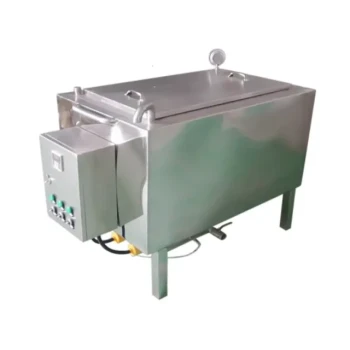
The primary role of controlled heat treatment equipment is to stabilize fresh bee pollen by reducing its moisture content while strictly limiting thermal exposure. By utilizing precise temperature settings—typically around 38°C—this equipment facilitates gentle drying that inhibits microbial growth. This ensures the product remains safe for storage without destroying the delicate bioactive compounds that give pollen its nutritional value.
The core objective is to achieve biological stability through moisture reduction while maintaining an internal temperature low enough to preserve heat-sensitive enzymes, vitamins, and polyphenols.
The Physiology of Gentle Drying
Moisture Reduction and Stability
Freshly harvested bee pollen contains high moisture levels, making it susceptible to rapid spoilage. The fundamental task of heat treatment equipment is to remove this water content.
By driving residual moisture down to a safe range (typically between 6% and 12%), the equipment removes the environment necessary for bacteria and mold to thrive. This process transforms a perishable raw material into a shelf-stable product.
Temperature Regulation
The term "controlled" is the defining feature of this equipment. It is designed to operate at low thermal distinct set points, primarily around 38°C.
This specific temperature threshold is critical. It provides enough thermal energy to evaporate water but remains low enough to mimic natural hive conditions or sun drying, avoiding the "cooking" effect of standard industrial dryers.
Preserving Bioactive Integrity
Protecting Heat-Sensitive Components
Bee pollen is valued for its complex nutritional profile, which includes enzymes, vitamins, and polyphenols. These compounds are highly volatile and degrade rapidly under high heat.
Controlled heat treatment ensures that while water is removed, these therapeutic components remain intact. This retention of bioactivity is what differentiates high-quality processed pollen from degraded commercial products.
Maintaining Physical Structure
Beyond chemistry, the physical integrity of the pollen granule matters. Rapid, high-heat drying can cause granules to crack or crumble.
Gentle, low-temperature drying maintains the physical structure of the pollen. This structural integrity is essential for consumer appeal and provides a solid foundation if the pollen is used for subsequent processes, such as fermentation into bee bread.
Understanding the Trade-offs
The Temperature Ceiling
While some equipment may operate slightly higher (up to 45°C), there is a strict upper limit to this process. Exceeding 40°C to 45°C significantly increases the risk of nutrient decomposition.
Operators must balance the speed of drying against quality; pushing temperatures higher to dry pollen faster will almost invariably lead to a loss of antioxidant activity.
Duration vs. Quality
Because the temperature is kept low (around 38°C), the drying cycle is inherently slower than high-heat methods.
This creates a bottleneck in processing speed. However, this inefficiency is a necessary trade-off to ensure the final product retains the enzymes and vitamins that define its market value.
Making the Right Choice for Your Goal
To select the correct processing parameters, you must define the end-use of your pollen.
- If your primary focus is Maximum Bioactivity: Adhere strictly to temperatures around 38°C to ensure near-total retention of enzymes and polyphenols.
- If your primary focus is Long-Term Storage: Ensure the equipment is capable of consistent drying until residual moisture reaches the lower end of the 6-12% range to prevent microbial spoilage.
- If your primary focus is Further Processing (e.g., Bee Bread): Aim for a residual moisture of 10-12% to maintain physical granule integrity for subsequent fermentation.
Controlled heat treatment is not just about drying; it is about suspending the pollen in a state of freshness that endures over time.
Summary Table:
| Feature | Specification/Role | Benefit |
|---|---|---|
| Optimal Temperature | 38°C (Max 45°C) | Prevents degradation of enzymes & polyphenols |
| Moisture Target | 6% - 12% | Inhibits microbial growth and ensures shelf stability |
| Drying Mechanism | Low-heat evaporation | Maintains physical granule structure and integrity |
| Primary Goal | Biological Stability | Transforms perishable raw pollen into a safe product |
Elevate Your Bee Pollen Production with HONESTBEE
At HONESTBEE, we understand that maintaining the bioactivity of fresh pollen is crucial for your commercial success. We provide professional-grade beekeeping tools and specialized processing machinery designed to meet the rigorous demands of commercial apiaries and distributors.
From precise temperature-controlled drying equipment to honey-filling machines and essential industry consumables, our comprehensive wholesale offerings ensure you deliver the highest quality product to your customers.
Ready to scale your apiary operations with industry-leading technology?
Contact HONESTBEE Today to discuss our full spectrum of hardware and specialized beekeeping solutions.
References
- Daniele Barbieri, Laura Pucci. Antioxidant, Nutraceutical Properties, and Fluorescence Spectral Profiles of Bee Pollen Samples from Different Botanical Origins. DOI: 10.3390/antiox9101001
This article is also based on technical information from HonestBee Knowledge Base .
Related Products
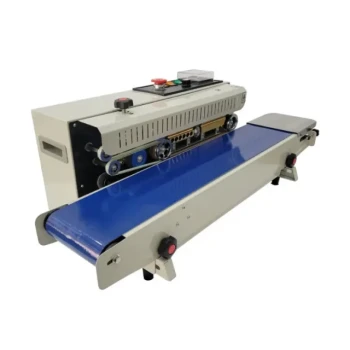
- Automatic Continuous Heat Sealing Machine
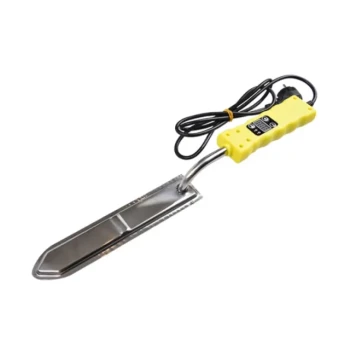
- Professional Electric Honey Uncapping Knife with Heated Digital Temperature Control for Beekeeping
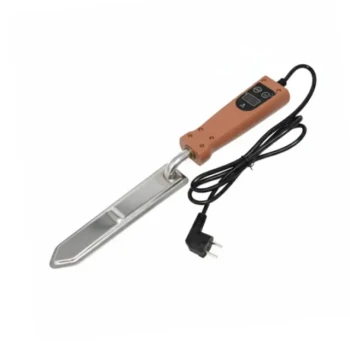
- Electric Hot Honey Uncapping Knife with Thermostat
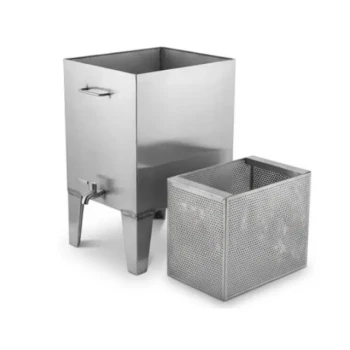
- Professional Thermostatic Conical Honey Melter
- Electric Heated Honey Uncapping Knife for Beekeeping
People Also Ask
- How is a heat sealer used in the production of honey sticks? Master the Art of Leak-Proof Sealing
- What is a sealing machine called? Choose the Right Heat Sealer for Your Packaging
- How do I choose a heat sealer? A Guide to Matching the Right Machine to Your Needs
- What is the function of sealing machines? Ensure Product Integrity and Extend Shelf Life
- What is a sealing machine? Protect Your Product Quality and Brand Reputation