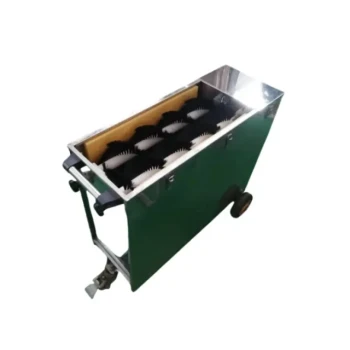
Bee pest and disease control equipment serves as the fundamental infrastructure required to stabilize honey bee populations and enable high-intensity management. By utilizing specific biological and physical control devices alongside rigorous hygiene, beekeepers can mitigate the negative variables that lead to colony collapse or absconding. This equipment is not optional; it is a necessary prerequisite for transforming a volatile biological asset into a scalable, productive operation.
The Core Insight: You cannot increase the intensity or scale of an apiary without first securing colony survival. Pest control equipment provides the baseline stability required to shift focus from merely saving bees to optimizing their production and genetic quality.
The Foundation of Management Intensity
To manage a colony with "intensity" means to maximize its output and efficiency. This is impossible if the colony is fighting for survival.
Mitigating Negative Variables
The primary function of disease control equipment is the reduction of unpredictable variables.
Unchecked pests introduce volatility that reduces colony numbers. By implementing control measures, you standardize the health of the hive, allowing for predictable planning and expansion.
Preventing Colony Loss
A diseased colony will eventually die or abscond (leave the hive).
Equipment designed for hygiene and pest management acts as a retention mechanism. It ensures the biological assets—the bees themselves—remain available for productive work.
Tools for Integrated Pest Management (IPM)
High-intensity management relies on keeping pest populations, specifically Varroa destructor, below economic injury levels.
Targeting Different Life Stages
Advanced chemical application devices, such as organic acid evaporators, allow for precise intervention.
Formic acid devices can penetrate capped brood cells to eliminate mites at the larval stage. Meanwhile, oxalic acid evaporation targets mites on adult bees.
Enhancing Colony Resistance
By mechanically and chemically lowering parasitic pressure, the colony's natural immune system is less taxed.
This enhances the bees' ability to resist external stressors, such as insecticides or environmental changes, maintaining the workforce required for intense honey production.
Equipment for Operational Efficiency
Intensity also refers to the speed and frequency with which a beekeeper can inspect and manage hives.
Facilitating Safe Inspection
The bee smoker is a critical tool for maintaining high-frequency management schedules.
By generating cool smoke to mask alarm pheromones, it induces a feeding instinct and calms the bees. This sedation is a prerequisite for safe, efficient inspections and honey harvesting.
Enabling Large-Scale Screening
For large operations, efficiency and technician safety are paramount.
Industrial-grade protective suits and high-strength hive tools allow for rapid, high-intensity sampling without the risk of injury. This gear ensures that structural integrity is maintained while technicians process high volumes of hives.
Precision in Breeding and Genetics
Long-term management intensity requires improving the genetic quality of the stock.
Controlling Genetic Backgrounds
Artificial insemination equipment allows for the exact control of genetics, bypassing the uncertainties of open mating.
This technology is essential for breeding traits like disease resistance and high honey production, which are necessary for sustainable, high-intensity beekeeping.
Protecting Larval Development
Queen excluders serve as physical barriers to compartmentalize the hive.
In queen rearing, these devices prevent the queen from entering honey supers. This protects grafted larvae from interference, ensuring the uniformity and health of the next generation of queens.
Understanding the Trade-offs
While equipment is essential for intensity, over-reliance or misuse can lead to diminishing returns.
The Risk of Over-Management
Frequent intervention using physical tools can stress the colony.
While the smoker calms bees, excessive smoke or too-frequent inspections can disrupt hive homeostasis and lower productivity.
Chemical Dependency
Relying solely on chemical application devices can mask underlying genetic weaknesses.
Overuse of organic acids may damage open brood or queens if not dosed correctly. A balanced approach must prioritize genetic resistance alongside chemical treatments.
Making the Right Choice for Your Goal
The type of equipment you prioritize should align with the specific "intensity" you wish to achieve.
- If your primary focus is Scalability: Prioritize protective gear and smokers to maximize the speed and safety of human technicians during mass inspections.
- If your primary focus is Colony Survival: Prioritize organic acid evaporators, as effectively managing Varroa loads is the single biggest factor in preventing colony collapse.
- If your primary focus is Genetic Improvement: Prioritize artificial insemination tools and queen excluders to isolate desirable traits and ensure precise breeding outcomes.
True management intensity is not just about working harder; it is about using the right tools to stabilize your workforce so they can work for you.
Summary Table:
| Equipment Category | Primary Benefit | Role in Management Intensity |
|---|---|---|
| Pest Control Tools | Reduces Varroa & pathogens | Standardizes colony health for predictable expansion |
| Organic Acid Evaporators | Targeted pest elimination | Protects brood/adults to maintain workforce volume |
| Sedation (Smokers) | Calms alarm pheromones | Enables rapid, high-frequency hive inspections |
| Insemination Tools | Precise genetic control | Improves stock quality and disease resistance traits |
| Physical Barriers | Compartmentalization | Protects queen rearing and ensures honey purity |
Maximize Your Colony Productivity with HONESTBEE
Transition from basic hive maintenance to a high-output commercial operation with HONESTBEE. As a premier partner for commercial apiaries and global distributors, we provide the industrial-grade infrastructure you need to thrive. Our comprehensive wholesale catalog includes:
- Advanced Pest Management: Precision evaporators and organic acid tools.
- High-Volume Machinery: Honey-filling and hive-making machines to automate your growth.
- Durable Consumables: Protective gear, high-strength tools, and specialized hardware.
- Genetic Tools: Equipment designed for precise queen rearing and breeding control.
Ready to stabilize your biological assets and scale your production? Contact us today to explore our wholesale offerings and see how our expertise in beekeeping technology can drive your success.
References
- Adino Andaregie, Tess Astatkie. The drivers and intensity of adoption of beekeeping in northwest Ethiopia. DOI: 10.1186/s40066-022-00378-1
This article is also based on technical information from HonestBee Knowledge Base .
Related Products
- Compact Circular Bee Mite Treatment Dispenser
- Steel Round Disc Entrance Reducer for Flexzion Bee Hive Nuc Box Gate
- Queen Bee Artificial Insemination Instrument Equipment for Instrumental Insemination
- Adjustable Formic and Acetic Acid Dispenser for Bee Mite Treatment
- Professional Reversible Beehive Hive Entrance
People Also Ask
- What is the function of specialized prevention consumables? Protect Hives from Varroa Mites & European Foulbrood
- What is the function of specialized application devices for Varroa? Precision Control for Healthier Bee Colonies
- What technical factors influence chemical Varroa treatments? Optimize Your Hive Health with Precise Timing
- How do different application forms of oxalic acid or formic acid affect Varroa mite treatments? Maximize Your Hive Efficacy
- What is the primary purpose of organic acids and synthetic acaricides in honeybee colony management? Varroa Control Guide