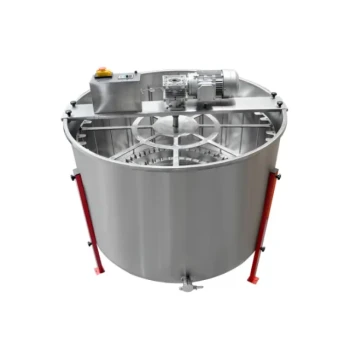
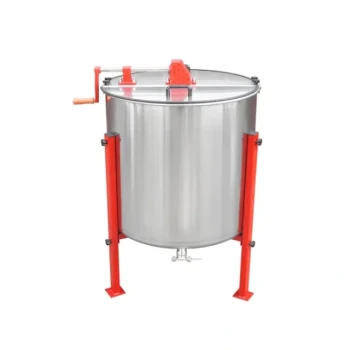
To extract honey using a centrifuge, start by removing the frames containing capped honeycombs from the beehive. You must then mechanically uncap these frames using a heated knife or fork before loading them into the extractor, spinning them to release the honey via centrifugal force, and finally returning the intact frames to the hive.
Core Insight: The definitive value of using a centrifuge is comb preservation. Unlike crushing methods, centrifugal extraction keeps the wax structure intact, allowing bees to reuse the drawn comb. This saves the colony significant energy and resources that would otherwise be spent secreting new wax.
Phase 1: Preparation and Uncapping
Removing the Frames
Begin by opening the beehive to access the supers. Carefully remove the frames that contain capped honeycombs.
Ensure the honey is mature and fully capped to maximize the efficiency of the extraction process later.
Exposing the Honey
Before the honey can be extracted, you must break the wax seal. Use a heated knife or an uncapping fork to slice or scratch off the wax caps covering the honeycomb cells.
This step is critical; if the cells remain capped, the centrifugal force will not be able to pull the honey out of the frame.
Phase 2: The Centrifugal Process
Loading the Extractor
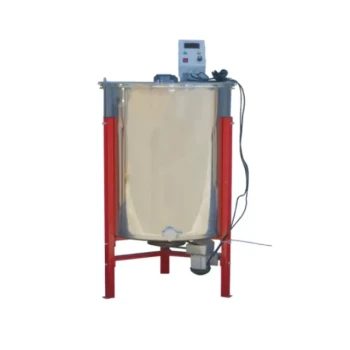
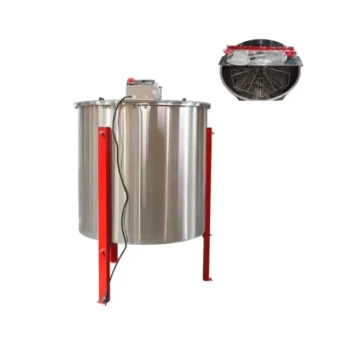
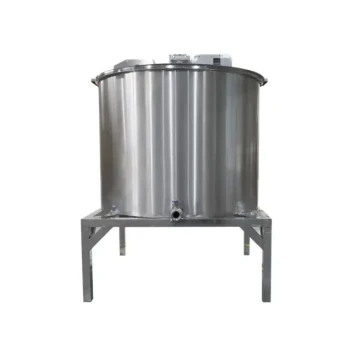
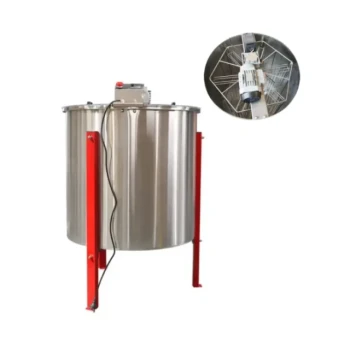
Place the uncapped frames into the cylindrical drum of the centrifuge honey extractor.
When loading, ensure the frames are positioned correctly according to your specific machine's design to maintain balance during rotation.
Applying Rotational Force
Spin the extractor at an appropriate speed. The machine utilizes centrifugal force generated by this high-speed rotation to fling the honey out of the comb cells.
The honey hits the walls of the drum and collects at the bottom, separating from the wax without destroying the structural integrity of the comb.
Optimization Techniques
To ensure thorough extraction, you may need to optimize the speed and direction of the spin.
Some techniques involve tilting the frames during the process, allowing gravity to assist the centrifugal force in emptying the cells completely.
Phase 3: Post-Extraction Recovery
Returning the Frames
Once the extraction cycle is complete and the frames are empty, remove them from the centrifuge.
Immediately return these frames to the hive. Because the centrifuge preserves the drawn comb, the bees can immediately begin cleaning and refilling them.
The Biological Advantage
By returning intact combs, you shorten the preparation time for the next honey production cycle.
This significantly reduces the biological cost of comb rebuilding, allowing the colony to focus on honey production rather than wax secretion.
Understanding the Trade-offs
Speed vs. Structural Integrity
While higher speeds generate more force and potentially extract more honey, there is a trade-off regarding the safety of the wax.
Spinning too aggressively can damage the comb structure. You must find a "suitable speed" that removes the honey while keeping the wax foundation intact for reuse.
Processing Efficiency
Using a centrifuge is generally faster and preserves quality, but it requires careful preparation.
You must ensure frames are fully uncapped before spinning. Any missed areas will result in trapped honey, reducing your overall yield and increasing the weight of the return frames.
Making the Right Choice for Your Goal
To maximize the effectiveness of your extraction, align your technique with your specific objectives:
- If your primary focus is maximum yield: Ensure you only harvest fully capped honeycombs and optimize the extractor's rotational speed and direction to clear every cell.
- If your primary focus is colony health: Prioritize comb preservation by regulating spin speed to ensure the drawn comb remains perfectly intact for immediate reuse by the bees.
Efficient extraction is not just about removing honey; it is about stewarding the resources of the hive for future seasons.
Summary Table:
| Extraction Phase | Key Equipment | Primary Goal | Benefit for Beekeepers |
|---|---|---|---|
| 1. Preparation | Heated knife / Uncapping fork | Remove wax seals | Exposes honey without damaging the frame structure |
| 2. Extraction | Centrifuge Honey Extractor | Apply rotational force | Flings honey out using centrifugal force while keeping comb intact |
| 3. Recovery | Cleaned frames | Return to hive | Bees save energy by reusing drawn comb instead of building new wax |
Maximize Your Harvest with HONESTBEE Professional Equipment
As a commercial apiary or distributor, your efficiency depends on the quality of your tools. HONESTBEE provides the industry's most comprehensive range of wholesale beekeeping solutions—from high-capacity centrifugal honey extractors and honey-filling machines to specialized hive-making hardware and essential consumables.
Our equipment is engineered to ensure maximum yield while protecting your most valuable biological asset: the drawn comb. Partner with us to streamline your production and offer your customers the very best in beekeeping technology.
Ready to scale your operations? Contact our expert team today to discuss our wholesale offerings and custom machinery solutions.
Related Products
- Manual Hand Crank 4 Frame Honey Extractor Centrifuge for Beekeeping
- electric honey extractor honey centrifuge 3 frame honey extractor stainless steel honey frame extractor
- Professional 4 Frame Self Reversing Electric Honey Extractor for Beekeeping
- 24 Frame Honey Extractor Commercial Radial Honey Frame Extraction Machine
- 8-Frame Electric Self-Reversing Honey Extractor Spinner for Commercial Honey Extraction Equipment
People Also Ask
- What are some tips for achieving efficient honey extraction with a centrifuge extractor? Maximize Your Yield & Efficiency
- What is the proper procedure for maintaining a centrifuge honey extractor? Expert Tips for Longevity and Hygiene
- What are the advantages of using a centrifuge honey extractor? Maximize Yields and Protect Your Honeycombs
- Which type of honey extractor is generally more durable? Focus on Material & Build Quality for Longevity
- What is a manual honey extractor? The Essential Guide to Cost-Effective Beekeeping for Beginners