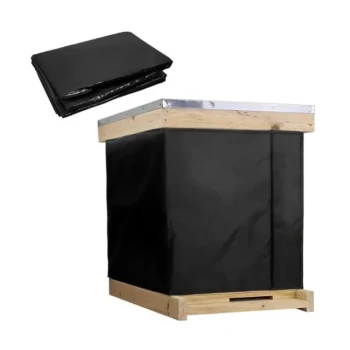
High-performance insulation and ventilation systems function as a critical environmental stabilizer during disease management scenarios. By enforcing a consistent temperature and humidity profile within the brood area, this equipment significantly lowers the metabolic energy workers must expend on thermoregulation. This technical intervention prevents larvae from suffering low-temperature stress, ensuring that disease progression reflects the actual biological resistance of the bees rather than a failure of their physical environment.
Core Technical Insight The definitive value of this equipment is the prevention of environmentally induced immunosuppression. By eliminating thermal volatility and excess humidity, you prevent latent pathogens from exploiting "chilled" or stressed larvae, thereby reducing the probability of a dormant infection escalating into a clinical outbreak.
Stabilizing Larval Immunity via Thermal Control
Preventing "Chilled Brood" Syndrome
European Foulbrood outbreaks are frequently precipitated by chilled brood, a condition occurring when internal hive temperatures drop, particularly during spring fluctuations.
High-performance insulation mitigates this by retaining colony heat independent of external weather. This stability prevents the physiological stress that compromises larval immunity, effectively stopping latent pathogens from transitioning into an active outbreak state.
Reducing the Metabolic Burden on Workers
Thermoregulation is energy-intensive; without assistance, worker bees must consume vast resources to heat or cool the hive.
By utilizing insulation to passively maintain the brood nest temperature, you reduce the thermoregulation burden on the colony. This preserves the workforce's energy for hygienic behavior and nursing, allowing them to better manage and remove infected larvae before the disease spreads.
Ensuring Accurate Disease Assessment
A fluctuating environment can mimic or exacerbate disease symptoms, leading to misdiagnosis.
Proper environmental control ensures that observed morbidity is a result of the biological characteristics of the bee species or the pathogen itself, rather than environmental degradation. This clarity is essential for making accurate decisions regarding genetic stock selection or treatment protocols.
Humidity Management and Pathogen Suppression
Eliminating Vectors for Bacterial Growth
High internal humidity creates a breeding ground for pathogens and can lead to the fermentation of nectar stores.
Precision ventilation systems allow for the control of internal moisture levels, preventing the damp conditions that favor the vegetative growth of American Foulbrood bacteria. By removing this catalyst, the equipment reduces the overall incidence rate of the disease.
Protecting Structural Integrity
While insulation protects against cold, ventilation is critical for heat dissipation to prevent catastrophic structural failure.
Internal temperatures must remain below the beeswax melting point of 62-65°C. High-efficiency ventilation designs, such as bottom mesh screens, enhance air convection to prevent the thermal deformation or collapse of honeycombs, which would otherwise destroy the brood and expose the colony to massive stress.
Understanding the Trade-offs
The Risk of Over-Ventilation
While removing moisture is critical, excessive airflow without proper regulation can be counterproductive in cooler climates.
If ventilation is too aggressive during early spring, it can strip necessary heat from the brood nest, inadvertently causing the very chilled brood conditions you are trying to prevent. The system must balance air exchange with heat retention.
Reliance on Equipment vs. Genetics
There is a nuanced danger in over-relying on mechanical solutions for colony health.
While this equipment shields the colony from environmental stress, it can mask weak genetics that would otherwise be culled naturally. It is vital to remember that insulation supports the bees but does not replace the need for disease-resistant breeding stock.
Making the Right Choice for Your Goal
To maximize colony survival, match your equipment strategy to the specific disease pressure you face:
- If your primary focus is preventing European Foulbrood: Prioritize high-performance insulation and entrance reducers in the spring to eliminate thermal fluctuations and "chilled brood" events.
- If your primary focus is preventing American Foulbrood: Focus on precision ventilation and bottom screens to lower internal humidity and eliminate the damp conditions conducive to bacterial proliferation.
- If your primary focus is maintaining structural integrity: Ensure your ventilation design facilitates sufficient air convection to keep internal temperatures well below the 62°C wax melting threshold.
By controlling the physical variables of the hive, you deny pathogens the environmental leverage they require to overwhelm the colony.
Summary Table:
| Technical Feature | Primary Function | Disease Management Value |
|---|---|---|
| High-Performance Insulation | Thermal stabilization | Prevents 'chilled brood' & environmentally induced immunosuppression. |
| Precision Ventilation | Humidity control | Eliminates damp conditions that favor bacterial growth (AFB/EFB). |
| Passive Thermoregulation | Energy preservation | Reduces worker metabolic burden, allowing more energy for hygienic behavior. |
| Heat Dissipation Systems | Structural protection | Prevents wax melting and comb collapse by maintaining temps below 62°C. |
Scale Your Apiary Success with HONESTBEE
At HONESTBEE, we understand that commercial success depends on colony resilience. As a leading provider for commercial apiaries and distributors, we offer a comprehensive wholesale range of high-performance beekeeping tools and machinery. From specialized hive-making equipment to precision honey-filling machines, our products are designed to mitigate environmental risks like foulbrood while maximizing operational efficiency.
Whether you are looking for advanced insulation solutions or essential industry consumables, our portfolio delivers the technical edge you need. Empower your beekeeping business with professional-grade equipment—contact us today to discuss our wholesale offerings!
References
- REDA E. OMER, I. A. Gaaboub. COMPARISON STUDIES BETWEEN THE HYBRID RACES OF CARNIOLEAN AND ITALIAN HONEYBEE TO RESISTANCE OF THE FOULBROODS. DOI: 10.21608/jppp.2013.87501
This article is also based on technical information from HonestBee Knowledge Base .
Related Products
- Stainless Steel Round Beehive Air Vents for Ventilation
- Professional Insulated Plastic Bee Hives
- High-Efficiency Pneumatic Bee Hive Making Machine for Rapid Box Assembly
- Professional Insulated Winter Hive Wrap for Beekeeping
- Inner Beehive Cover for Beekeeping Bee Hive Inner Cover
People Also Ask
- How does ventilation affect colony health, and how should it be managed seasonally? A Guide to Preventing Moisture & Overheating
- Why is proper ventilation important in a beehive? Prevent Mold, Regulate Temperature, and Boost Colony Health
- How can a beekeeper provide proper ventilation for a beehive throughout the year? Seasonal Strategies for Bee Health
- How can ventilation be added to a beehive without using an inner cover? Simple, Effective Solutions for Healthy Hives
- Why is good ventilation crucial when transporting beehives? Protect Your Colony from Lethal Overheating