High-intensity sterilization serves as the critical firewall in honeybee disease management, specifically targeting pathogens with extreme environmental resistance like American Foulbrood (AFB). By utilizing specialized equipment to thoroughly sanitize tools and hives, beekeepers can sever the chain of cross-infection caused by contaminated equipment. This physical intervention is vital for reducing reliance on antibiotics and preserving the honeybee’s natural gut health.
Core Takeaway: Sterilization is not merely about cleanliness; it is a strategic biological control measure that eliminates dormant pathogen reservoirs in wax and equipment, allowing for disease management that preserves the honeybee gut microbiome.
Targeting the Persistent Threat
Overcoming Environmental Resistance
Pathogens such as American Foulbrood (AFB) spores possess extreme resistance to environmental factors. Because these spores can survive harsh conditions, high-intensity sterilization is the only reliable method to neutralize them completely.
The Equipment as a Vector
Beekeeping tools, hive components, and extraction machinery serve as primary vectors for disease transmission. Pathogens adhere tenaciously to wax debris, honey residues, and wooden surfaces, facilitating rapid spread between colonies during standard operations.
Establishing Physical Barriers
Implementing strict disinfection protocols creates a vital physical barrier against epidemics. This prevents the large-scale spread of disease within apiaries that occurs when contaminated tools are used across multiple hives.
The Critical Role of Wax Management
Eliminating the Pathogen Reservoir
Beeswax is a fundamental material that can harbor dormant spores, including AFB and Chalkbrood, for long periods. Without deep purification, recycled wax acts as a long-term pathogen reservoir, leading to recurrent disease outbreaks.
The Necessity of Heat and Pressure
To safely recycle and reuse beeswax, apiarists must employ high-temperature and high-pressure sterilization. This specialized process ensures that the wax is purified of contaminants before being reintroduced to the colony.
Promoting Biological Integrity
Reducing Antibiotic Reliance
By physically destroying pathogens on equipment, beekeepers significantly reduce the need for chemical antibiotics. This shift from reactive chemical treatment to proactive physical prevention is a cornerstone of modern sustainable beekeeping.
Protecting the Gut Microbiome
Avoiding antibiotics is crucial for maintaining the natural honeybee gut microbiome. High-intensity sterilization allows the colony to remain disease-free without the internal disruption caused by pharmacological interventions.
Common Pitfalls to Avoid
The Illusion of Visual Cleanliness
A critical trade-off in disease management is the effort required for true sterilization versus simple cleaning. Visual removal of wax or honey is insufficient to kill dormant spores; failing to use high-intensity methods leaves invisible pathogens intact.
Inconsistent Protocols
Partial application of sterilization techniques undermines the entire strategy. For the "physical barrier" to work, disinfection protocols must be applied rigorously to all reusable materials, from wooden frames to operational consumables.
Making the Right Choice for Your Goal
To implement an effective disease management strategy, align your sterilization protocols with your specific operational needs:
- If your primary focus is Disease Eradication: Prioritize high-temperature and high-pressure sterilization for all recycled beeswax and wooden hive components to destroy dormant AFB spores.
- If your primary focus is Sustainable Biology: Utilize strict tool sterilization to minimize the need for antibiotic treatments, thereby protecting the honeybee gut microbiome.
Systematic sterilization transforms beekeeping equipment from a vector of disease into a stronghold of colony health.
Summary Table:
| Feature | Role in Disease Management | Primary Benefit |
|---|---|---|
| AFB Spore Neutralization | High-heat & pressure treatment | Eliminates dormant pathogen reservoirs |
| Equipment Disinfection | Sanitizing tools, hives, and machinery | Severs the chain of cross-infection |
| Wax Purification | Deep sterilization of recycled wax | Prevents recurrence from contaminated foundations |
| Biological Integrity | Reduction in chemical interventions | Preserves the natural honeybee gut microbiome |
Secure Your Apiary’s Future with Professional Grade Solutions
At HONESTBEE, we understand that effective disease management is the backbone of a profitable beekeeping operation. As a dedicated partner to commercial apiaries and distributors, we provide more than just equipment—we provide the tools for sustainable success.
Our comprehensive wholesale portfolio includes:
- Advanced Machinery: High-efficiency hive-making and honey-filling machines designed for durability.
- Specialized Sterilization Tools: Professional-grade hardware to ensure your equipment is a stronghold of health.
- Complete Equipment Spectrum: From essential consumables to specialized honey-themed cultural merchandise.
Ready to scale your business with the industry's most reliable beekeeping supplies?
Contact HONESTBEE Today to discuss our wholesale offerings and discover how our expertise can enhance your operational efficiency and colony vitality.
References
- Johann De Beer, Christopher W. Weldon. Nutritive and immunological benefits derived from the honey bee gut microbiome are threatened by anthropogenic stressors. DOI: 10.17159/2254-8854/2023/a14674
This article is also based on technical information from HonestBee Knowledge Base .
Related Products
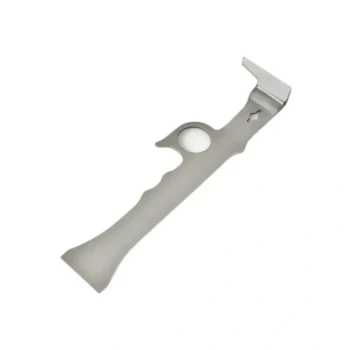
- HONESTBEE Advanced Ergonomic Stainless Steel Hive Tool for Beekeeping
- Stainless Steel Honey Bee Smoker Hive and Honeycomb Smoker for Beekeeping
- Stainless Steel J Hook Hive Tool for Beekeeping
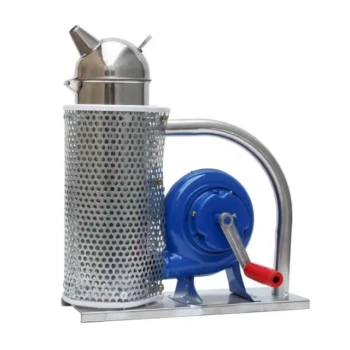
- Heavy Duty Manual Bee Smoker Blower for Beekeeping
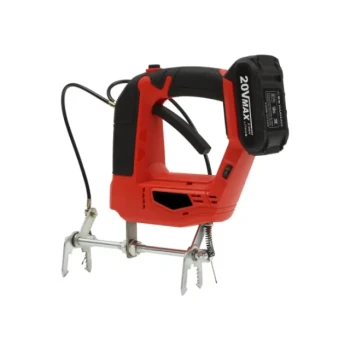
- High Performance Cordless Electric Bee Shaker for Beekeeping
People Also Ask
- What specific challenges do beekeeping hive tools address during hive maintenance? Essential Solutions for Apiaries
- How does a favorable microclimate interact with beekeeping tools? Boost Overwintering Success and Equipment Longevity
- Why is the treatment of beekeeping tools with high-concentration chemical disinfectants necessary for preventing AFB?
- What is the recommended method for storing beekeeping tools? Expert Vertical Storage Solutions for Your Apiary
- What personal tools are required for handling bees and a hive? 4 Essential Gear Items for Safe Beekeeping