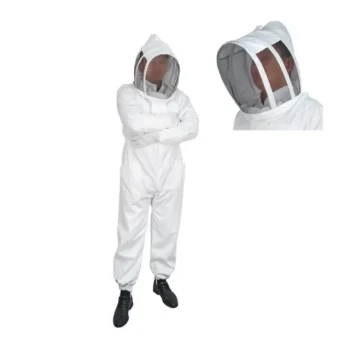
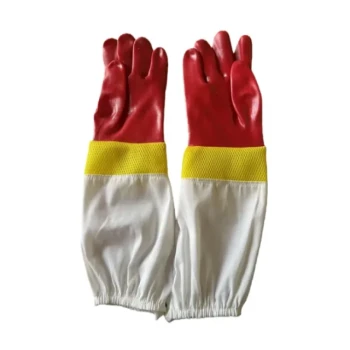
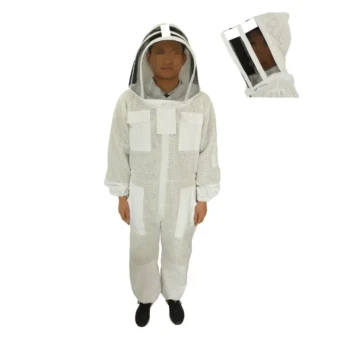
To ensure your physical safety while melting beeswax, you must wear a long-sleeved shirt, protective gloves, and safety goggles. These three items form the critical barrier between your skin and eyes and the hot, sticky wax, protecting you from severe burns and potential splashes.
Core Takeaway Beeswax may seem harmless, but it retains high heat and acts like hot grease when melted. While proper heating methods reduce risk, wearing full-coverage clothing and eye protection is non-negotiable to prevent injury from accidental splashes or flash fires.
The Essential Protective Triad
Eye Protection
Safety goggles are the most critical piece of gear. Hot wax can splash unexpectedly, particularly if an air bubble bursts or a utensil slips.
Because wax hardens instantly upon cooling, getting hot liquid wax in your eye can cause significant damage and is extremely difficult to remove.
Hand Protection
Wear heat-resistant gloves whenever handling melting containers or utensils.
Beeswax becomes very sticky as it cools slightly. If hot wax spills on your hands, it adheres to the skin, prolonging the burn. Gloves provide a necessary layer of insulation and allow you to quickly remove the gear if a spill occurs.
Body Protection
A long-sleeved shirt is required to cover your arms completely.
Avoid loose or dangling sleeves that could catch on equipment, but ensure the fabric is thick enough to shield your skin from minor splatters.
Understanding the Thermal Hazards
The Melting Point vs. The Flash Point
Beeswax melts at approximately 147°F, a temperature sufficient to cause pain and skin damage.
However, the greater danger lies in overheating. The flashpoint is around 400°F. If the wax reaches this temperature, it can self-ignite. Protective gear buys you seconds to react, but temperature control is your primary safety mechanism.
The "Grease" Factor
Treat melting beeswax with the same caution you would use for hot grease or oil.
It is flammable and holds heat for a long time. Unlike water, which runs off, wax coats surfaces and skin, intensifying the heat transfer during a burn.
Environmental Safety Preparation
Ventilation
Always work in a well-ventilated area.
Melting wax releases fumes that can be irritating to the respiratory system. Good airflow prevents the buildup of these vapors and keeps the workspace comfortable.
Emergency Response
Keep a source of cool running water nearby.
If you are burned, immediate cooling is essential. However, this water is for you, not the wax. (See "Common Pitfalls" below).
Common Pitfalls to Avoid
The Water Hazard
Never add water to a pot of wax that is already melted and hot.
Adding water to hot wax can cause a violent eruption, sending scalding wax spraying out of the container. This is a primary cause of severe splashes that necessitate the safety gear mentioned above.
Open Flame Exposure
Never melt beeswax directly over an open flame.
Because it is flammable, direct contact with a flame or a high-heat burner can cause a fire. Always use a double boiler, an electric burner, or a slow cooker to maintain gentle, controlled heat.
Establishing a Safe Workflow
Your choice of equipment should dictate your safety protocols, but your personal protective gear must remain constant.
- If your primary focus is small-batch crafting: Use a slow cooker or double boiler to maintain low heat, but keep your gloves on to handle hot inserts or molds.
- If your primary focus is large-scale processing: Ensure you have high-quality ventilation to handle the increased volume of fumes and strictly adhere to eye protection protocols due to the larger volume of hot liquid.
Safety gear is not just about compliance; it is about ensuring that a simple accident does not become a permanent injury.
Summary Table:
| Safety Item | Primary Protection | Why It Is Essential |
|---|---|---|
| Safety Goggles | Eyes | Prevents damage from accidental splashes and hardening wax. |
| Heat-Resistant Gloves | Hands & Wrists | Protects against thermal burns and sticky wax adhesion. |
| Long-Sleeved Shirt | Arms & Torso | Creates a skin barrier against minor splatters and heat. |
| Ventilation | Respiratory System | Prevents irritation from concentrated wax fumes. |
| Double Boiler | Fire Prevention | Eliminates direct flame contact and prevents flash fires. |
Elevate Your Apiary Safety with HONESTBEE
Handling beeswax at scale requires more than just personal protective gear—it requires reliable, professional-grade equipment. HONESTBEE supports commercial apiaries and distributors by supplying a comprehensive range of beekeeping tools, specialized machinery, and honey-filling systems designed for safety and efficiency.
Whether you are processing bulk wax or packaging finished products, our high-quality consumables and hardware ensure your operation runs smoothly. Contact us today to discuss our wholesale offerings and discover how we can help grow your beekeeping business.
Related Products
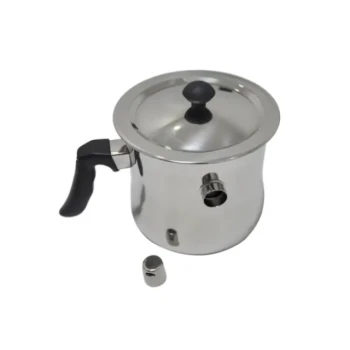
- Beeswax Melter for Candle Making Honey Bee Wax Melter
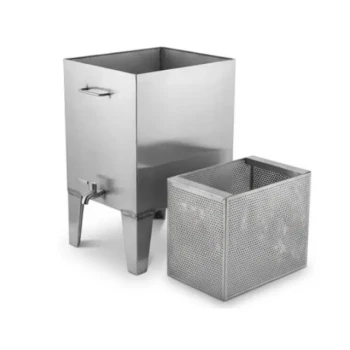
- Steam Beeswax Melter Wax Warmer for Wax Processing
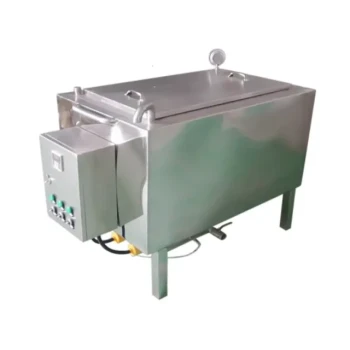
- Electric Commercial Beeswax Melter for Factory Use
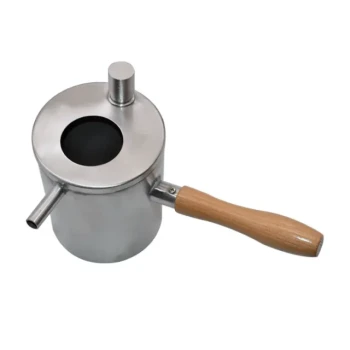
- Professional Stainless Steel Wax Melter for Beekeeping and Crafts
- Solar Beeswax Melter Easy Solar Wax Melter for Beeswax
People Also Ask
- What is the best way to melt beeswax? Safely Preserve Quality with Indirect Heat
- What is the best way to melt beeswax? Use a Solar Wax Melter for Simple, Pure Results
- What types of beeswax melters are available for beekeepers? Choose the Right One for Your Operation
- What safety precautions should be taken when melting beeswax? A Guide to Flammable Wax Handling
- What types of beeswax melters are available for different scales of beekeeping? Solar vs. Electric Melters Compared