Structural maintenance for winter focuses on moisture control and pest exclusion. The most critical tasks are inspecting the bottom board for integrity and ensuring the hive lid is both rain-resistant and insulated. To further secure the structure, you must reduce the entrance size to deter rodents and apply external insulation or wrapping to buffer against wind and temperature extremes.
Success in wintering bees is less about keeping them warm and more about keeping them dry. Structural modifications must strike a precise balance between retaining heat and allowing the metabolic moisture generated by the cluster to escape.
Securing the Hive Foundation
Before addressing insulation, you must ensure the physical shell of the hive prevents pest intrusion and drafts.
Inspecting the Bottom Board
The bottom board is the foundation of the hive’s structural integrity.
According to primary guidelines, this component must be inspected thoroughly to ensure it is in good condition. A rotting or damaged board allows cold drafts and moisture to seep in from below, compromising the colony's ability to thermoregulate.
Installing Entrance Reducers
As temperatures drop, mice look for warm nesting sites, and a beehive is an attractive target.
You should install mouse guards or use manufactured entrance reducers to shrink the opening. If commercial reducers are unavailable, natural items like small pinecones or sticks can be wedged into the entrance to effectively restrict the opening size.
Preserving Airflow
While the entrance must be reduced to keep pests out and heat in, it cannot be sealed completely.
Ensure the entrance remains unobstructed by dead bees or snow. This allows fresh air to circulate and gives bees a way to exit for cleansing flights on warmer days.
Optimizing the Upper Structure
The top of the hive is where heat rises and where dangerous condensation typically forms.
Weatherproofing the Lid
The hive lid is a critical component for regulating internal temperatures.
It must be fully rain-resistant to prevent cold water from dripping onto the bee cluster. The primary recommendation is to ensure the lid provides adequate insulation, which minimizes the temperature difference that causes condensation.
Implementing Top Ventilation
Moist air rising from the colony must have an escape route.
You can create an air gap by placing small sticks under the outer lid or installing a "shim"—a wooden ring 1 to 2 inches tall—with an entrance hole. This upper entrance allows humid air to vent out, preventing it from freezing on the lid and raining back down on the bees.
Insulation and Exterior Protection
Once the shell is secure and ventilated, you can add layers to assist with heat retention.
Utilizing "Hot Boxes"
A "Hot Box" is a structural addition placed at the top of the hive stack.
It is typically constructed from a pine shallow super with wire boundaries on the top and bottom, filled with insulation material. This unit, often paired with a moisture board, retains heat while managing internal humidity.
Wrapping the Hive
Wrapping protects the hive from wind chill and helps absorb solar radiation.
Materials often include black plastic, foam insulation, or specialized bee wraps. These should be secured firmly with tape, Velcro, or staples around the time of the first hard freeze.
Understanding the Trade-offs: Heat vs. Moisture
The most common structural mistake in winter prep is prioritizing insulation over ventilation.
The Risk of Over-Sealing
Excessive insulation or wrapping can create a sealed environment that traps metabolic moisture.
If the structural setup does not breathe, the internal air becomes damp. This leads to mildew growth and wet bees, which is almost always fatal in freezing temperatures.
The Necessity of Heat Loss
To keep the hive dry, you must accept a certain amount of heat loss.
Small openings at both the top and bottom of the hive structure are required to establish a chimney effect for airflow. The structural goal is not to create an airtight oven, but a wind-protected, dry shelter.
Making the Right Choice for Your Goal
Structural maintenance depends heavily on your local climate severity.
- If your primary focus is Pest Prevention: Prioritize the installation of robust metal mouse guards or entrance reducers before the first frost.
- If your primary focus is Moisture Control: Focus on upper structural changes, such as installing a quilt box, a shim with an upper entrance, or propping the lid.
- If your primary focus is Thermal Efficiency: Invest in a "Hot Box" or external black plastic wrapping, but ensure these additions do not block upper ventilation ports.
A dry, well-ventilated hive with a secure bottom and lid will consistently outperform a wet, heavily insulated one.
Summary Table:
| Maintenance Area | Key Action | Primary Benefit |
|---|---|---|
| Bottom Board | Inspect for rot and damage | Prevents drafts and rising moisture |
| Hive Entrance | Install mouse guards/reducers | Excludes rodents and retains internal heat |
| Upper Structure | Weatherproof lid & add ventilation | Prevents condensation and ice buildup |
| Insulation | Use "Hot Boxes" or hive wraps | Buffers against wind chill and thermal loss |
| Airflow | Create a chimney effect | Ensures metabolic moisture can escape |
Maximize Your Apiary’s Winter Survival Rate with HONESTBEE
Protecting your investment requires professional-grade equipment that balances thermal efficiency with critical moisture management. At HONESTBEE, we specialize in supporting commercial apiaries and distributors with a comprehensive wholesale catalog designed for large-scale success.
How we add value to your business:
- Durability: High-quality hive components and specialized hardware built to withstand extreme climates.
- Efficiency: Advanced honey-filling and hive-making machinery to streamline your operations.
- Full Spectrum Supply: From essential industry consumables to unique honey-themed cultural merchandise.
Don't leave your colony's health to chance. Contact us today to access premium beekeeping tools and machinery at competitive wholesale prices.
Related Products
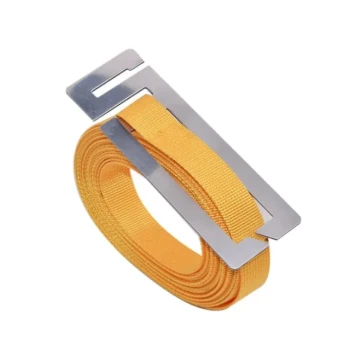
- Heavy-Duty Nylon Beehive Hive Strap with Stainless Steel Cinch Buckle
- Stainless Steel Round Beehive Air Vents for Ventilation
- Metal Bee Hive Stand Bee Box Stand for Beekeeping
- Wooden Bee Hive Frames for Beekeeping and Wholesale
- Wholesales Dadant Size Wooden Bee Hives for Beekeeping
People Also Ask
- What role do standardized beehive fastening and protective consumables play? Secure Colonies Against Natural Disasters
- How does the performance of ratchet straps compare to cam buckle straps for securing beehives? Expert Comparison Guide
- What is a good way to store hive straps to keep them organized? Master the Art of Tangle-Free Hive Transport
- What are the two main styles of hive straps? Choosing Between Cam Buckles and Ratchet Mechanisms for Your Apiary
- What are the two styles of hive straps? Choose the Right Strap for Your Hive Security