High-performance beehive components are the first line of defense against larval mortality because they establish and maintain a stable micro-environment within the colony. By utilizing high-specification materials, these components rigorously control internal temperature and humidity, acting as a physical shield against external environmental fluctuations. This stability is non-negotiable for larval survival, as even minor deviations in climate control can lead to rapid population decline.
Population dynamics models indicate that larval mortality is a distinct "tipping point" for colony survival; even small increases in death rates here can trigger a total population collapse. High-performance components prevent this by providing the consistent physical protection necessary to maintain the colony's delicate biological balance.
Stabilizing the Colony Micro-Environment
The Critical Link to Larval Health
The primary function of high-performance components is to mitigate the negative effects of environmental instability.
Larvae are highly sensitive to temperature and humidity changes. High-specification materials insulate the brood nest, ensuring that the internal climate remains constant regardless of external weather spikes.
Preventing Population Collapse
When low-quality components fail to insulate the hive, larval mortality rises.
As the primary reference notes, this does not just reduce numbers; it disrupts the population dynamics model of the entire hive. Maintaining low larval mortality is foundational to preventing the drastic decline or total collapse of the apiary.
The Role of Precision Manufacturing
Respecting "Bee Space"
Beyond simple insulation, high-performance components are manufactured with strict adherence to technical specifications known as "Bee Space."
Precision equipment ensures wooden components are cut to exact dimensions. This prevents the bees from building excessive burr comb or applying too much propolis, which can alter airflow and temperature regulation.
Enhancing Sealing and Durability
Industrial-grade manufacturing guarantees tighter tolerances and superior sealing.
High-precision mechanical manufacturing ensures that hive bodies and frames fit together perfectly, eliminating drafts and moisture ingress. This sealing is vital for maintaining stable colony sizes, particularly when the hive faces the challenges of overwintering.
Operational Efficiency and Stress Reduction
Facilitating Low-Impact Inspections
Modern hives equipped with precision movable frame systems allow technicians to monitor disease and hive health without damaging the internal structure.
Standardized designs mean inspections can be performed smoothly. This reduces the physical disturbance and stress placed on the colony, which indirectly supports larval health by allowing nurse bees to remain focused on brood care.
The Power of Interchangeability
In large-scale commercial apiaries, high-performance manufacturing ensures that components like bottom boards, supers, and frames are universally compatible.
This modularity allows beekeepers to exchange frames across thousands of colonies efficiently. It streamlines management and ensures that resources (such as frames of honey or brood) can be moved quickly to support weaker colonies before they fail.
Understanding the Trade-offs
Initial Capital vs. Long-Term Survival
High-performance, precision-milled components invariably carry a higher upfront cost than basic or homemade equipment.
Beekeepers must weigh this initial investment against the risk of colony loss. While cheaper equipment reduces startup costs, it often lacks the insulation and sealing properties required to keep larval mortality below critical thresholds.
The Rigidity of Standardization
Adopting high-performance industrial equipment often commits an apiary to a specific standard or manufacturer.
While this ensures interchangeability, it reduces flexibility if you wish to mix and match equipment types later. You must commit to a system to gain the full benefits of modular management.
Making the Right Choice for Your Goal
To select the appropriate equipment for your apiary, consider your primary operational objectives:
- If your primary focus is distinct larval survival: Prioritize components with high-specification materials and superior sealing properties to guarantee a stable micro-environment.
- If your primary focus is large-scale efficiency: Prioritize precision-manufactured, standardized components that ensure total interchangeability across all hives for mechanized operations.
Investing in high-performance components is not merely a logistical choice; it is a biological necessity for stabilizing the population dynamics that keep your colonies alive.
Summary Table:
| Feature | High-Performance Components | Standard/Low-Quality Equipment |
|---|---|---|
| Micro-Environment | Superior insulation; stable temp/humidity | Poor insulation; prone to climate spikes |
| Precision (Bee Space) | Exact tolerances; prevents burr comb | Irregular sizing; disrupts airflow |
| Sealing Quality | Airtight fit; eliminates drafts/moisture | Prone to gaps; increases stress |
| Interchangeability | Universal compatibility for modularity | Inconsistent sizing; harder to manage |
| Larval Survival | Maximum protection against mortality | Higher risk of population collapse |
Protect Your Colonies with Industrial-Grade Precision
High-performance equipment is more than an investment—it is a biological necessity for commercial success. At HONESTBEE, we specialize in supporting commercial apiaries and distributors with a comprehensive wholesale range designed to stabilize your population dynamics.
From precision-milled hive-making machinery and automated honey-filling systems to a full spectrum of beekeeping tools and essential consumables, our portfolio ensures your operations remain efficient and your colonies remain healthy. Partner with us to access the specialized hardware and cultural merchandise needed to scale your business.
Contact HONESTBEE Today for Wholesale Solutions
References
- Jun Chen, Yun Kang. How to model honeybee population dynamics: stage structure and seasonality. DOI: 10.5206/mase/10559
This article is also based on technical information from HonestBee Knowledge Base .
Related Products
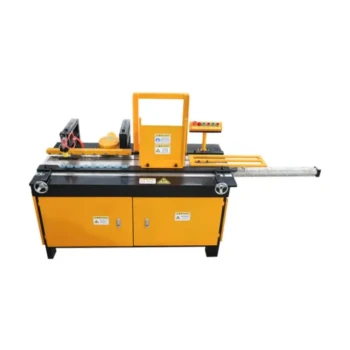
- High-Efficiency Pneumatic Bee Hive Making Machine for Rapid Box Assembly
- Beehive Handle and Frame Rest Cutting Machine: Your Specialized Hive Machine
- Steel Round Disc Entrance Reducer for Flexzion Bee Hive Nuc Box Gate
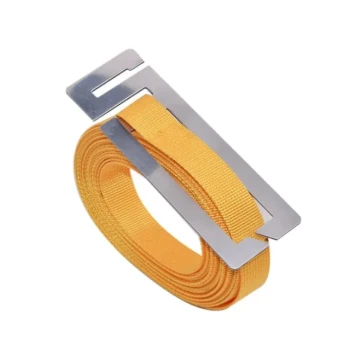
- Heavy-Duty Nylon Beehive Hive Strap with Stainless Steel Cinch Buckle
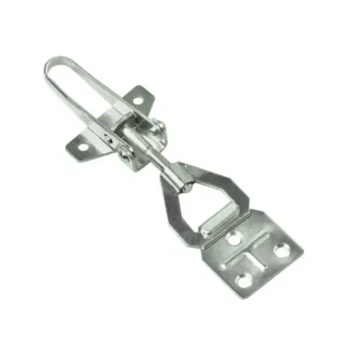
- Heavy Duty Adjustable Hive Connector
People Also Ask
- How does the introduction of professional beehive-making machinery benefit sustainable beekeeping? Scale Your Apiary
- Why is specialized beehive-making machinery critical for low-defense breeding? Enhance Selection with Precision Tools
- How does the introduction of specialized beehive making machinery contribute to increasing the scale of regional beekeeping industries?
- What is the importance of specialized beehive making machinery in a circular bio-economy? Build Local Sustainability
- Why is specialized beehive-making machinery essential? Scale Your Apiary with Precision Industrial Standards