Strict regulations regarding honey packaging seals exist to prevent carcinogenic contamination. Specifically, conventional twist-off lids often utilize plastic liners containing azodicarbonamide, a foaming agent that decomposes under high heat. To protect consumers, standards mandate the use of certified compounds that do not release harmful chemicals into the food product.
Core Insight The regulation specifically targets the risk of semicarbazide migration. When standard lid liners are exposed to the heat of sealing or sterilization, their foaming agents break down into this potential carcinogen, necessitating the use of specialized, certified sealing compounds.
The Chemistry of Contamination
The Role of Azodicarbonamide
Many standard twist-off lids rely on plastic liners to create an airtight seal. To achieve the necessary texture and volume, manufacturers often add azodicarbonamide as a foaming agent within the lining compound.
The Trigger: High-Temperature Processing
Honey packaging frequently involves heat, either during the sealing phase or subsequent sterilization processes. While effective for preservation, these high temperatures trigger a chemical reaction in standard liners.
The Decomposition Risk
Under these thermal conditions, azodicarbonamide decomposes. This breakdown produces semicarbazide, a chemical byproduct distinct from the original foaming agent.
The Migration into Food
Semicarbazide is recognized as a potential carcinogen. Once generated inside the lid liner, it can migrate directly into the honey, compromising the hygiene and long-term safety of the end product.
Understanding the Trade-offs
Cost vs. Safety Profile
Standard lids containing azodicarbonamide are common and often cost-effective for general non-food applications. However, using them for honey packaging creates an unacceptable health risk due to the potential for chemical migration.
Operational Constraints
Certified sealing compounds free from prohibited agents may require specific sourcing. Skipping this step to save time or money risks violating safety standards and endangering consumer health.
Ensuring Compliance and Safety
To ensure your product remains safe and compliant, you must verify the materials used in your packaging process.
- If your primary focus is regulatory compliance: Exclusively utilize certified sealing compounds verified to be free from prohibited foaming agents like azodicarbonamide.
- If your primary focus is consumer trust: Audit your supply chain to ensure your lid liners are rated for high-temperature sterilization without generating semicarbazide.
True product quality requires ensuring that the vessel protecting your honey is as pure as the honey itself.
Summary Table:
| Feature | Standard Lid Liners | Certified Safety Compounds |
|---|---|---|
| Foaming Agent | Contains Azodicarbonamide | Free from prohibited agents |
| Chemical Risk | Potential Semicarbazide migration | Zero carcinogenic risk |
| Heat Stability | Decomposes at high temperatures | Stable during sterilization |
| Compliance | Non-compliant for food safety | Meets global food standards |
| Primary Use | General industrial/non-food | Professional honey packaging |
Protect Your Product Purity with HONESTBEE
Don't let inferior packaging compromise your honey’s quality. At HONESTBEE, we specialize in supporting commercial apiaries and distributors with premium, safety-compliant beekeeping equipment and hardware. From specialized honey-filling machines to food-grade jars and certified sealing solutions, we provide the tools you need to meet strict industry standards.
Ready to elevate your operations? Contact us today to discover how our wholesale beekeeping machinery and essential consumables can safeguard your business and build consumer trust.
References
- Mirjana Bojanić Rašović. IMPORTANCE OF CONTROLLING THE HYGIENIC CORRECTNESS OF HONEY AND OTHER BEE PRODUCTS IN MONTENEGRO. DOI: 10.17707/agricultforest.68.3.02
This article is also based on technical information from HonestBee Knowledge Base .
Related Products
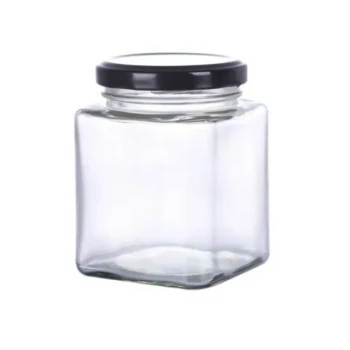
- Modern Square Glass Honey Jar with Twist Off Lid
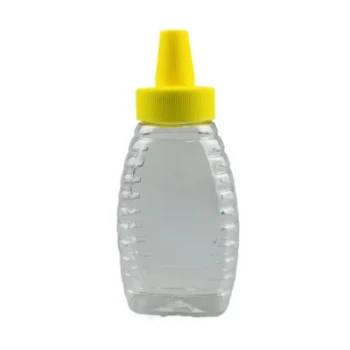
- Classic Beehive Honey Bottle Jar with Squeeze Dispenser Lid
- Acrylic Lid Beekeeping Honey Extractor for Beekeepers
- Stainless Steel Beekeeping Honey Extractor Lid
- Classic Drum Shaped Glass Honey Jar with Airtight Lid
People Also Ask
- What is the aesthetic appeal of using glass jars for honey? Elevate Your Brand with Premium Packaging
- What are the advantages of glass containers for honey? Elevate Quality and Market Value with Premium Packaging
- What are the advantages of using high-quality glass containers in the commercial packaging of honey? Boost Premium Value
- What are the technical advantages of using glass jars for honey? Master Commercial Packaging for Premium Purity
- Why are standardized transparent glass jars used in the sensory analysis of honey? Keys to Objective Grading