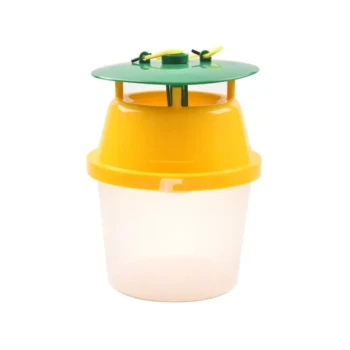
Pre-treating wax substrates is a critical safeguard for experimental integrity. This process prevents wax moth larvae from infesting the observation hive, where their boring activity destroys the cell structure and produces silk webbing that obscures camera lenses. Without this chemical barrier, physical damage to the comb and optical obstructions will render video data and larval development observations unusable.
Successful observation hives require a controlled environment free from external interference. Anti-wax moth agents preserve the structural geometry of the comb and ensure optical clarity, preventing pest infestations from invalidating your data.
Preserving the Observation Platform
Preventing Physical Degradation
The primary threat to your wax substrate is the boring behavior of wax moth larvae. These pests tunnel through the wax, physically dismantling the honeycomb cells.
Since the wax foundation is essential for providing a natural support structure that reduces honeybee stress, maintaining its integrity is paramount. If the substrate is compromised by boring, the "natural state" required for accurate biological reference is lost.
Maintaining Optical Clarity
For experiments relying on video monitoring, visual obstructions are a critical failure point. Wax moth larvae spin silk webbing as they move through the hive.
This webbing accumulates on the optical window and the camera lens itself. Pre-treatment prevents this accumulation, ensuring clear, unobstructed views of the honeybee larvae throughout the developmental cycle.
Eliminating Biological Variables
Removing Non-Experimental Factors
Scientific rigor demands the isolation of variables. If wax moths are allowed to breed, they become a non-experimental biological factor that interferes with the study.
The presence of pests introduces uncontrolled stressors and physical damage. By eliminating these pests beforehand, you ensure that observed changes in honeybee behavior or survival rates are due to your experimental conditions, not an infestation.
Securing Long-Term Data
Observation combs are often used to measure long-term survival rates and development. An untreated comb is a ticking clock; once an infestation begins, it accelerates quickly.
Pre-treatment ensures the hive remains viable for the entire duration of the experiment. This stability allows for the collection of consistent, high-quality data over extended periods without the risk of colony collapse due to pest pressure.
Operational Considerations
The Necessity of Chemical Agents
While introducing chemicals to a biological experiment requires caution, the trade-off here favors pre-treatment. The physical destruction caused by moths outweighs the minimal risk of a properly applied agent.
However, researchers must ensure the specific anti-wax moth agent used is compatible with honeybee health. The goal is to target the pest specifically without introducing a new toxicological variable that could alter honeybee behavior.
Making the Right Choice for Your Goal
To ensure your observation hive yields valid results, prioritize the protection of your substrate based on your specific data requirements:
- If your primary focus is High-Definition Video Monitoring: Prioritize pre-treatment to prevent silk webbing, which causes immediate and irreversible loss of image quality.
- If your primary focus is Behavioral Stress Analysis: Prioritize pre-treatment to maintain structural integrity, ensuring the bees remain in a low-stress, naturalistic environment.
An untreated wax substrate is a compromised data source; protect your foundation to protect your results.
Summary Table:
| Key Risk Factor | Impact on Observation Hive | Experimental Consequence |
|---|---|---|
| Larval Boring | Destruction of honeycomb cell structure | Loss of natural biological reference and support |
| Silk Webbing | Obstruction of camera lenses and windows | Irreversible loss of high-definition video data |
| Pest Infestation | Introduction of uncontrolled biological stressors | Invalidated results due to non-experimental variables |
| Colony Collapse | Rapid acceleration of hive damage | Inability to collect long-term development data |
Secure Your Apiary’s Success with HONESTBEE
At HONESTBEE, we understand that whether you are conducting precision research or managing a commercial operation, the quality of your equipment is the foundation of your success. As a dedicated partner to commercial apiaries and distributors, we provide a comprehensive wholesale range of high-performance beekeeping tools and machinery.
From specialized hive-making and honey-filling machines to essential consumables and honey-themed merchandise, our products are engineered to eliminate variables and maximize efficiency. Don't let pests or poor equipment compromise your results—trust HONESTBEE for the professional-grade hardware your business deserves.
Ready to scale your production? Contact us today to explore our wholesale solutions!
References
- Paul Siefert, Bernd Grünewald. Chronic within-hive video recordings detect altered nursing behaviour and retarded larval development of neonicotinoid treated honey bees. DOI: 10.1038/s41598-020-65425-y
This article is also based on technical information from HonestBee Knowledge Base .
Related Products
- Professional Bucket Style Wasp and Moth Pheromone Trap
- Compact Circular Bee Mite Treatment Dispenser
- Adjustable Formic and Acetic Acid Dispenser for Bee Mite Treatment
People Also Ask
- What is the function of Pheromone Traps in the biosecurity monitoring of apiaries? Precision Tools for Pest Control
- What role do Pheromone Traps play in the IPM for Large African Hive Beetles? Essential Surveillance & Control Tips
- How do professional wasp traps function? Master Physical Control of Oriental Hornets to Protect Your Apiary
- What are the practical advantages of using professional wasp traps and protective equipment in apiary management? Scale Up
- Why replace sugar syrup bait in wasp traps every three days? Ensure Maximum Attraction and Catch Rates