Precision in the dimensions of top bars and frames is the non-negotiable factor that maintains "bee space," the specific gap honeybees require to navigate the hive. Without these exact measurements, the fundamental functionality of a modern hive collapses; bees will either bridge wider gaps with irregular comb or seal narrower gaps with propolis, rendering the frames immovable. Accurate manufacturing ensures that combs remain vertical, centered, and independent, allowing for the systematic inspections that define modern beekeeping.
Modern hive management relies entirely on the concept of the movable frame. Precision dimensioning is the engineering control that respects the biological instincts of the bee, preventing them from "locking" the hive structures together.
The Mechanics of Bee Space and Movability
Respecting the Biological Tolerance
The core function of a top bar or frame is to define the bee space. This is not an arbitrary measurement; it is a specific biological constant mandated by the bees' instinct.
If the space between components is too small, bees treat it as a crack to be sealed and will glue the frames to the hive walls. If the space is too wide, they interpret it as void space to be filled and will build "burr comb" or irregular structures.
Enabling Non-Destructive Inspection
Precision allows the beekeeper to manipulate the hive without destroying the colony's work.
When top bars are cut to exact specifications, they force the bees to build their combs centered and vertically. This separation ensures that when you lift a frame, it comes out cleanly. Without this precision, bees often cross-comb (connect adjacent frames), making inspection impossible without cutting through the comb and injuring the colony.
Standardization and Operational Efficiency
Achieving Component Interchangeability
In a functional apiary, equipment must be universal. You cannot waste time tracking which frame fits which specific box.
Precision manufacturing ensures that a frame from Hive A fits perfectly into Hive B. This standardization is critical for large-scale operations, where efficiency depends on the seamless rotation of equipment for harvesting, swarm control, or dividing colonies.
Streamlining Workflow
When dimensions are uniform, apiary operations become predictable and fast.
Inaccurate dimensions lead to friction—literally and figuratively. Beekeepers lose valuable time prying out stuck frames or scraping away excess burr comb caused by poor spacing. Precision eliminates these mechanical hurdles, allowing the focus to remain on colony management.
Impact on Colony Health and Energy
Optimizing Thermoregulation
While top bars dictate comb placement, the overall precision of the frame and hive body assembly contributes to the hive's climate control.
Standardized structures with tight tolerances provide better insulation and ventilation. Gaps caused by poor manufacturing can create drafts or heat leaks, forcing the colony to work harder to maintain their brood nest temperature.
Conserving Colony Energy
There is a direct link between manufacturing precision and honey production.
When bees must expend energy regulating temperature or building excessive wax to fix spacing errors, they have less energy available for foraging. A precision-built environment reduces this metabolic tax, allowing the colony to dedicate more resources to collecting pollen and nectar.
Common Pitfalls of Poor Dimensioning
The Accumulation of Error
A critical oversight in hive construction is failing to account for cumulative error. A discrepancy of just one millimeter on a single frame seems negligible.
However, across a ten-frame box, that error multiplies. By the time you reach the edge of the box, the spacing is completely comprised, resulting in the final frame being either too tight to fit or loose enough to invite burr comb.
Material Stability
Precision is not just about the initial cut; it is about dimensional stability.
Even if a top bar is cut perfectly, using low-grade wood that warps or shrinks can ruin that precision over time. True functionality requires both accurate machining and stable materials to ensure the bee space is maintained through changing seasons and humidity levels.
Making the Right Choice for Your Goal
To maximize the functionality of your apiary, assess your equipment based on your primary objectives:
- If your primary focus is Ease of Management: Prioritize frames with strict dimensional tolerances to prevent cross-combing and ensure effortless inspections.
- If your primary focus is Scalability: Ensure all components are manufactured via precision machinery to guarantee total interchangeability across all hive bodies.
- If your primary focus is Colony Productivity: Select standardized equipment with tight seals to minimize the energy bees waste on thermoregulation.
Precision in beekeeping is not a luxury; it is the interface that allows human management to coexist with natural bee behavior.
Summary Table:
| Feature | Impact of Precision | Consequence of Inaccuracy |
|---|---|---|
| Bee Space | Maintains 6-9mm gap for navigation | Cross-combing or propolis sealing |
| Interchangeability | Frames fit any hive box universally | Stuck frames and equipment mismatch |
| Inspection | Smooth, non-destructive removal | Damaged comb and injured bees |
| Thermoregulation | Optimizes hive climate and airflow | Drafts and increased energy waste |
| Scaling | Predictable, fast apiary operations | Cumulative errors and labor delays |
Maximize Your Apiary Efficiency with HONESTBEE
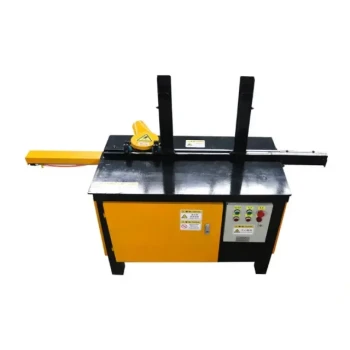
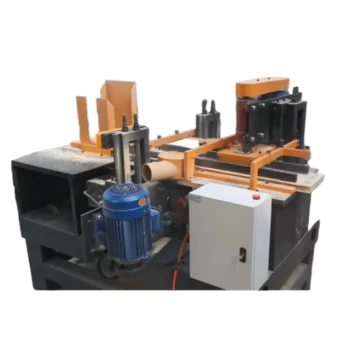
At HONESTBEE, we understand that precision is the foundation of a productive commercial apiary. As a premier provider for distributors and commercial beekeepers, we supply a comprehensive range of precision-engineered beekeeping tools, hive-making machinery, and honey-filling equipment designed to meet the highest industry standards.
From durable hive components that respect the biological 'bee space' to essential consumables and honey-themed cultural merchandise, our wholesale offerings help you scale your business with confidence. Partner with us to bring superior quality and operational excellence to your customers.
Contact HONESTBEE Today to Discuss Your Wholesale Needs
References
- Teklu Gebretsadik, Dinku Negash. Honeybee Production System, Challenges And Opportunities In Selected Districts Of Gedeo Zone, Southern Nation, Nationalities And Peoples Regional State, Ethiopia. DOI: 10.5281/zenodo.846641
This article is also based on technical information from HonestBee Knowledge Base .
Related Products
- HONESTBEE Top Bar & Bottom Bar Forming Machine | Bee Frame Machine
- Long Langstroth Style Horizontal Top Bar Hive for Wholesale
- HONESTBEE Bee Frame Grooving Machine | Precision Slotting for Bee Frame Making
- Top Bar Beehive for Beekeeping Wholesales Kenya Top Bar Hive
- JZBZ Langstroth Queen Rearing Frame for Beekeeping
People Also Ask
- What is the primary function of the Top Bar and Bottom Bar Forming Machine? Automate Hive Frame Production Excellence
- How does the Top Bar and Bottom Bar Forming Machine process wooden strips? High-Precision Frame Component Production
- What is the operational sequence of the Top Bar and Bottom Bar Forming Machine? Precision Beekeeping Frame Manufacturing
- What are the key benefits of investing in the Top Bar and Bottom Bar Forming Machine? Scale Your Hive Production Now
- What customization options are available for the Top Bar and Bottom Bar Forming Machine? Engineered for Any Hive Standard