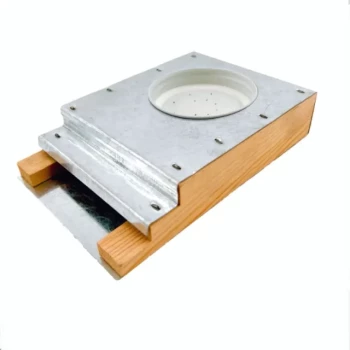
Supplementary feed serves as the critical biological bridge between natural resource availability and the commercial demands of beekeeping. It acts as a necessary production supply by preventing colony collapse during resource gaps and fueling the strategic population growth required to maximize yields.
Beekeeping success is largely a matter of timing; supplementary feeding allows apiarists to decouple colony health from environmental limitations, regulating breeding rhythms to ensure peak workforce numbers coincide exactly with the start of the primary nectar flow.
Securing Survival During Resource Scarcity
Preventing Colony Shrinkage
During non-nectar flow periods, natural sources of nutrition are insufficient to sustain the colony’s metabolic needs. Without intervention, colonies face rapid nutritional deficiencies, leading to a drastic reduction in the bee population.
Mitigating the Risk of Absconding
Hunger is a primary driver of colony loss. When resources drop below critical levels, bees may trigger an absconding instinct, abandoning the hive entirely to seek better conditions. Supplementary feed suppresses this instinct, anchoring the colony to the apiary.
Countering Environmental Stressors
External factors such as extreme weather, rainy seasons, or large-scale monocultures (like soybeans) often limit natural flowering periods. Providing artificial energy sources, such as sugar syrup, ensures the colony maintains physical health and survival energy regardless of external conditions.
Optimizing Production Through Breeding Control
Regulating the Breeding Rhythm
The primary reference highlights that supplementary feeding is not merely defensive; it is a tool for colony management. By providing high-quality feed, beekeepers can regulate the colony's breeding rhythm, stimulating growth even when natural pollen is absent.
Simulating Nectar Flow
Feeders provide a controlled supply that mimics a natural nectar flow. This simulation maintains the queen bee’s egg-laying activity and keeps worker bees motivated to forage, preventing the dormancy that usually accompanies resource shortages.
Ensuring Peak Foraging Vitality
To secure annual production targets, a colony must have a massive population of worker bees before the main honey flow begins. Supplementary feeding accelerates this buildup, ensuring the colony has high foraging vitality exactly when it is needed most.
Supporting Migratory Adaptation
For migratory beekeeping operations, moving colonies creates significant stress and energy deficits. Feeding helps bees maintain energy levels while they adapt to a new environment, bridging the gap until they can harvest from new nectar sources.
Strategic Trade-offs and Considerations
The Necessity of Quality
While feeding is essential, the primary reference emphasizes the need for high-quality supplementary feed. Poor-quality substitutes may fail to provide the necessary nutritional density to support intensive breeding or could introduce health issues.
The Cost of Timing
Feeding is an investment that requires precision. Implementing a feeding regimen too late results in a workforce that peaks after the honey flow has passed, resulting in a high population with no nectar to gather—essentially increasing costs without increasing yield.
Making the Right Choice for Your Colony
Depending on your immediate objectives, your approach to supplementary feeding should shift:
- If your primary focus is Colony Survival: Prioritize maintaining energy levels with sugar syrup during rainy seasons or winter to prevent starvation and absconding.
- If your primary focus is Maximizing Yield: Begin feeding high-quality supplements well in advance of the main flow to stimulate the queen and ensure a peak workforce is ready for harvest.
By viewing supplementary feed as a strategic tool rather than a mere emergency measure, you transform your apiary from a passive operation into a controlled, high-output production system.
Summary Table:
| Strategic Goal | Benefit of Supplementary Feeding | Key Outcome |
|---|---|---|
| Survival | Prevents nutritional deficiencies and colony shrinkage | Stable, year-round colony health |
| Stability | Suppresses the absconding instinct during scarcity | Reduced hive loss and migration |
| Breeding | Stimulates queen egg-laying and simulates nectar flow | Rapid population growth |
| Production | Aligns peak workforce with primary flow timing | Maximized honey and wax yields |
| Adaptation | Offsets stress during migratory transport | Faster recovery and foraging vitality |
Scale Your Apiary Operations with HONESTBEE
To transform your beekeeping from a passive hobby into a high-output production system, you need more than just knowledge—you need the right tools. HONESTBEE specializes in serving commercial apiaries and distributors by providing a comprehensive range of professional-grade equipment.
Whether you are looking for high-efficiency feeders, hive-making machinery, or honey-filling systems, our wholesale portfolio is designed to enhance your efficiency and production capacity. We support our partners with everything from essential consumables to specialized hardware and honey-themed cultural merchandise.
Ready to optimize your colony management? Contact us today to discover how HONESTBEE can provide the specialized tools and equipment you need to ensure peak foraging vitality and business growth.
References
- Ayantu Desalegn, Adeba Gemechu Gobena. Factors Affecting Honey Marketed Surplus of Beekeepers in Gera District of Oromia State, Ethiopia. DOI: 10.7176/fsqm/110-03
This article is also based on technical information from HonestBee Knowledge Base .
Related Products
- HONESTBEE Professional Entrance Bee Feeder Hive Nutrition Solution
- HONESTBEE Entrance Bee Feeder Efficient Hive Front Liquid Feeding Solution for Beekeeping
- HONESTBEE Entrance Bee Feeder Professional Hive Nutrition Solution for Beekeeping
- HONESTBEE Round Hive Top Bee Feeder for Syrup
- White Plastic 0.5L Beekeeping Entrance Feeder for Bees
People Also Ask
- What types of bee feeders are available for beginners? Start with the Simple Entrance Feeder
- What are the advantages and disadvantages of using an entrance feeder for bees? Balance Convenience and Hive Security.
- How does a bee entrance feeder work? A Simple Guide to Convenient Hive Feeding
- What is a bee entrance feeder and what are its drawbacks? Essential Guide to Hive Security and Feeding Efficiency
- How to make an entrance feeder for bees? A DIY Guide for Safe & Effective Feeding