Ultrafiltration serves as the definitive quality control barrier for forest honey entering luxury markets. It is necessary because it employs high-precision physical barriers to strip away microscopic pollen, beeswax fragments, and impurities that otherwise compromise the product's lifespan and appearance. Without this step, raw forest honey risks crystallization and fermentation, failing to meet the strict biological and visual standards of high-end cosmetic manufacturers and retail brands.
Ultrafiltration transforms variable raw ingredients into standardized premium products by eliminating crystallization nuclei and spoilage triggers. This ensures the transparency and long-term liquidity essential for high-value commercial applications.
The Science of Visual Consistency
Eliminating Crystallization Nuclei
Raw honey naturally contains microscopic particles that act as "seeds" for sugar crystals to grow.
Ultrafiltration removes these nuclei effectively. This ensures the honey remains in a liquid state, preventing the gritty texture that high-end consumers often reject.
Achieving Flawless Transparency
Premium retail and cosmetic brands demand a product that looks pure and homogeneous.
The filtration process strips away suspended solids that cause cloudiness. The result is a crystal-clear, visually appealing product that signals quality on the shelf.
Ensuring Biological Stability
Removing Fermentation Triggers
Forest honey, particularly from stingless bees, often has high moisture content and natural impurities like yeast-carrying pollen.
If left untreated, these impurities can trigger fermentation. Ultrafiltration removes the solid contaminants that fuel spoilage, stabilizing the honey for complex supply chains.
Preserving Chemical Integrity
While the process removes solids, it preserves the honey's essential biological activity.
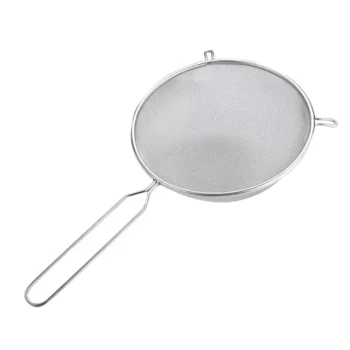
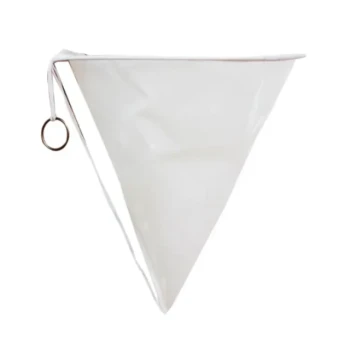
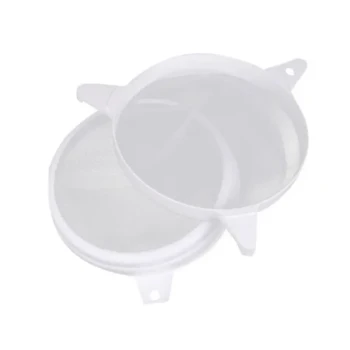
Using multi-layered stainless steel or food-grade synthetic mesh, the system targets physical debris without degrading the honey's chemical properties. This provides physiochemical stability during long-term storage.
Understanding the Trade-offs
Loss of Botanical Markers
Because ultrafiltration is highly efficient at removing pollen, it strips the honey of its primary botanical identifier.
For brands relying on specific "single-origin" pollen analysis for marketing, this process may require alternative methods of origin verification.
Operational Precision Required
These systems are not "set and forget."
They require rigorous maintenance to prevent clogging from beeswax fragments. Furthermore, the filtration level must be precisely calibrated to balance flow rate with the required level of purity.
Making the Right Choice for Your Supply Chain
Deciding on the level of filtration depends heavily on the final application of the honey.
- If your primary focus is High-End Cosmetics: Prioritize ultrafiltration to ensure a perfectly smooth texture and zero risk of fermentation in shelf-stable formulas.
- If your primary focus is Luxury Retail: Use ultrafiltration to guarantee a crystal-clear aesthetic and prevent crystallization during extended warehousing.
By controlling purity at the microscopic level, you convert a volatile raw material into a reliable, high-value asset.
Summary Table:
| Feature | Impact of Ultrafiltration | Benefit for High-End Supply Chain |
|---|---|---|
| Crystallization | Removes microscopic nuclei (pollen, wax) | Ensures long-term liquidity and smooth texture |
| Visual Clarity | Eliminates suspended solids and cloudiness | Provides a crystal-clear, premium aesthetic |
| Biological Stability | Filters out fermentation-triggering yeasts | Prevents spoilage during long-term storage |
| Chemical Integrity | Retains honey’s essential biological activity | Maintains efficacy for cosmetic formulations |
| Physical Purity | High-precision barrier for all debris | Meets strict pharmaceutical-grade visual standards |
Elevate Your Honey Processing with HONESTBEE
Transitioning raw forest honey into the luxury cosmetic and high-end retail sector requires precision-engineered solutions. HONESTBEE specializes in supporting commercial apiaries and global distributors with a comprehensive suite of professional beekeeping tools and industrial machinery.
Whether you need advanced honey-filling machines for high-speed production or specialized hardware to ensure product stability, we provide the end-to-end equipment necessary to meet the world's most rigorous quality standards. Partner with us to scale your operations and deliver consistent, premium-grade honey products to your target market.
Ready to optimize your production line? Contact our expert team today for a tailored wholesale consultation.
References
- Janet Lowore, Adrian Wood. African Forest Honey: an Overlooked NTFP with Potential to Support Livelihoods and Forests. DOI: 10.1007/s00267-018-1015-8
This article is also based on technical information from HonestBee Knowledge Base .
Related Products
- Honey Concentrating and Filtering Dehumidifier Machine 2T Capacity for Honey
- Electric Double Wall Honey Filtering Machine Purifier Equipment for Honey Processing Plant
- Professional Stainless Steel Honey Filtering Machine with Water Bath Heating for Beekeeping
- Professional Stainless Steel Honey Filter with Support Handle
- Professional Honey Filter with Tripod Support Stand
People Also Ask
- What heating methods can be used with the honey concentrating equipment? Electric vs. Boiler Options
- How does honey filtration and processing machinery transform raw honey? Scale Your Production for Global Markets
- What electrical safety precaution is necessary when operating the honey concentrating equipment? Essential Grounding Tips
- What maintenance should be performed when the honey concentrating equipment is not in use? Key Safety & Care Tips
- What are the main functions of the honey concentrating equipment? Essential Machinery for Commercial Quality