Beyond nutrition, hive survival depends on active defense. A new hive requires a multi-layered protection strategy that includes rigorous disease management, shielding from environmental hazards like weather and pesticides, and defense against predators. Crucially, you must also prevent "robbing" by other insects, often through the use of specific equipment like robbing screens.
Protecting a new colony requires a holistic approach: monitoring internal health for mites and disease while simultaneously fortifying the exterior against predators, harsh weather, and resource theft from rival insects.
Maintaining Internal Colony Health
Monitoring for Parasites and Disease
Providing a safe home begins with the bees' biological health. You must perform regular maintenance inspections to assess the colony's condition.
Specifically, you need to actively check for mites (such as Varroa mites) and signs of brood diseases. These internal threats can collapse a colony from the inside out, regardless of external defenses.
Safeguarding Against Environmental Threats
Weather and Chemical Exposure
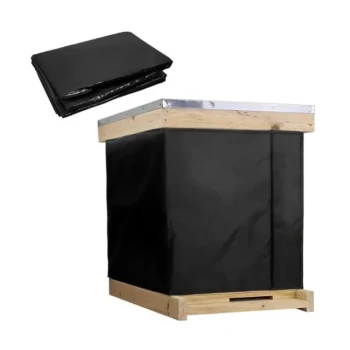
The physical location and setup of the hive must offer protection against the elements. You must safeguard the hive from severe weather, which includes high winds, driving rain, and extreme temperatures.
Equally important is protecting the colony from chemical threats. Ensure the hive is located away from areas heavily treated with pesticides, as these are lethal to the foraging workforce.
Managing Predators
New hives are attractive targets for larger animals. You must implement measures to protect the hive structure and its inhabitants from predators.
Depending on your region, this may involve physical barriers, strapping systems, or electric fencing to keep animals from tipping or destroying the hive.
Preventing Resource Theft
Understanding the Robbing Threat
A new hive often lacks the population strength to defend its resources effectively. They are highly susceptible to being robbed by opportunistic invaders.
The primary culprits are usually yellowjackets and other, stronger honey bee colonies looking for easy food stores.
Using Robbing Screens
To mitigate this specific threat, it is highly recommended to use a robbing screen.
This piece of equipment modifies the hive entrance. It confuses intruders who try to fly directly in, while allowing the resident bees—who learn the specific entry path—to come and go safely.
Common Pitfalls in Hive Protection
Reactive vs. Proactive Management
A major trade-off in beekeeping is the time required for inspection versus the risk of colony loss. New beekeepers often make the mistake of acting only when they see a problem.
However, protection must be proactive. Waiting until you see robbers at the entrance or deformed wings from mites usually means the damage is already irreversible.
Equipment Dependencies
While tools like robbing screens are essential, they are not "set and forget" solutions.
You must ensure they are installed correctly to prevent gaps intruders can exploit. Additionally, you must monitor that the screen does not cause congestion or ventilation issues for your own bees during peak activity.
Implementing Your Protection Strategy
To ensure your new hive thrives, you must systematically address each threat vector.
- If your primary focus is Colony Health: Schedule strict, regular inspections specifically to identify and treat mites and brood diseases before they spread.
- If your primary focus is Physical Security: Fortify the apiary against severe weather and secure the site against local predators and pesticide drift.
- If your primary focus is Resource Retention: Install a robbing screen immediately to deter yellowjackets and foreign bees from stealing the hive's stores.
Consistency in these protective measures is just as vital as the food you provide.
Summary Table:
| Protection Category | Specific Threat | Recommended Action/Equipment |
|---|---|---|
| Biological Health | Varroa Mites & Brood Disease | Regular maintenance inspections and mite treatments. |
| Physical Security | Predators (Bears, Skunks, etc.) | Strapping systems, physical barriers, or electric fencing. |
| Environmental | Weather & Pesticides | Proper site selection with windbreaks and chemical-free zones. |
| Resource Defense | Robbing Bees & Yellowjackets | Installation of entrance-modifying robbing screens. |
Secure Your Apiary Success with HONESTBEE
Protecting a new colony requires more than just basic care—it demands professional-grade equipment and proactive strategies. HONESTBEE is dedicated to supporting commercial apiaries and distributors with a comprehensive wholesale portfolio.
Whether you need specialized hive-making machinery, high-efficiency honey-filling machines, or essential beekeeping tools and consumables, we provide the hardware and industry expertise to help your business thrive. From robust physical defenses to honey-themed cultural merchandise, we equip you to protect and grow your investment.
Ready to scale your beekeeping operations? Contact us today to explore our full spectrum of wholesale machinery and equipment solutions!
Related Products
- Metal Hive Feet Bee Hive Stand for Ant Protection
- Professional Insulated Winter Hive Wrap for Beekeeping
- Inner Beehive Cover for Beekeeping Bee Hive Inner Cover
- Premium Cowboy Beekeeper Hat with Visibility Veil Outdoor Professional Beekeeping Protective Gear
- Professional Insulated Plastic Bee Hives
People Also Ask
- What are the benefits of elevating a bee hive with a stand or base? Protect Your Colony and Your Back
- How does a beehive stand protect against predators and pests? Essential Strategies for Colony Security
- How should the height of a beehive stand be determined? Find Your Ergonomic Sweet Spot
- What to stand a beehive on? The Best Foundation for a Healthy, Manageable Apiary
- How tall should a beehive stand be? Achieve Optimal Hive Health & Beekeeper Comfort