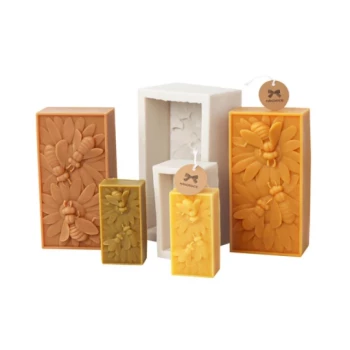
Improving beeswax purity requires a multi-stage process of melting, straining, and density separation. To remove particulate matter, melted wax should be passed through progressively finer media, such as polyester strainer cloth, fresh cheesecloth, or coffee filters. For the highest level of purity, this mechanical filtration is best paired with a water-rendering process that allows heavy impurities to settle out of the wax.
To achieve professional-grade purity, you must combine physical filtration with gravity separation. By melting wax with water and filtering it through increasingly fine media—starting with cheesecloth and finishing with coffee filters—you remove both large debris and microscopic sediment.
The Mechanics of Filtration
Initial Coarse Straining
The primary method for cleaning beeswax is mechanical filtration while the wax is liquid.
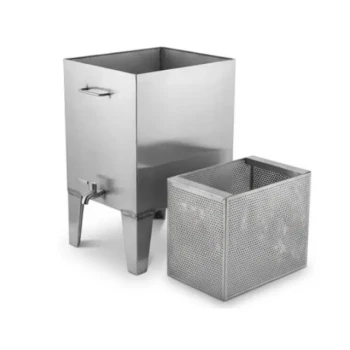
To begin, pour the melted wax through a polyester strainer cloth or a similar semi-heat resistant filter. This initial pass removes larger contaminants, such as bee parts or wood chips, which would otherwise clog finer filters.
Progressive Filtering for Clarity
For higher purity, you must reduce the pore size of your filter medium.
Wrap the wax in fresh cheesecloth and re-melt it, or pour the liquid wax through a coffee filter. Coffee filters are particularly effective at capturing fine debris and dust, creating a cleaner batch suitable for detail-oriented work.
Multi-Stage Purification
Purity is rarely achieved in a single pass.
You may need to re-melt and filter the wax multiple times. Each cycle removes smaller particulates. The intended application dictates the effort required; cosmetic or artistic uses demand much finer filtering than simple waterproofing applications.
The Water Rendering Technique
Melting with Water
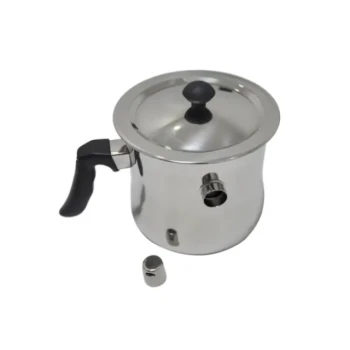
A highly effective way to separate "slum gum" (heavy debris) from wax is to melt the wax in water using a double boiler or crock pot.
Keep the temperature low to prevent burning. The water acts as a buffer and a cleaning agent, allowing water-soluble impurities to dissolve away from the wax.
Gravity Separation
Once melted and strained, allow the wax and water mixture to cool slowly, ideally overnight.
Physics does the work here: the clean wax is less dense and will float to the top, hardening into a solid disc. The water and heavy impurities will settle at the bottom of the container.
Scraping the Sediment
After the wax has fully hardened, remove the solid disc from the container.
You will likely see a layer of dirty, gray/brown debris on the underside of the wax cake. Scrape this layer off with a tool to reveal the clean, yellow wax underneath.
Common Pitfalls to Avoid
The Risk of Over-Stirring
While stirring helps melt the wax initially, do not stir immediately before pouring or cooling.
You must allow foreign materials to settle at the bottom of the melting pot. If you stir vigorously, you re-suspend the debris, making it impossible to separate the clean wax from the sludge.
Premature Fine Filtering
Do not attempt to use a coffee filter or paper towel on the first pass.
Raw beeswax contains too much debris and will clog fine filters instantly, halting the process. Always start with a coarse strainer or skimmer spoon to remove large solids before attempting fine filtration.
Pouring the Sludge
When pouring melted wax from a pot, stop pouring as soon as debris appears.
The bottom layer of the pot contains the highest concentration of impurities. Leave this "slum gum" behind; it can be reserved for non-critical applications or secondary filtration, but it should not be mixed with your clean batch.
Making the Right Choice for Your Goal
The level of purity you need depends entirely on how you intend to use the wax.
- If your primary focus is Candle Making: Use cheesecloth or polyester cloth to remove all visible solids that could clog the wick.
- If your primary focus is Cosmetics or Art: Use coffee filters and the water-rendering method to remove microscopic fines that affect texture.
- If your primary focus is Utility/Waterproofing: A single pass through a coarse strainer is usually sufficient.
True purity is achieved not by a single tool, but by the patience to filter, cool, and scrape repeatedly until the wax is clear.
Summary Table:
| Process Phase | Method | Tools Required | Contaminants Removed |
|---|---|---|---|
| Coarse Cleaning | Mechanical Filtration | Polyester cloth / Strainer | Bee parts, wood chips, large debris |
| Fine Purification | Progressive Filtering | Fresh cheesecloth / Coffee filters | Fine dust, microscopic particles, sediment |
| Sediment Removal | Gravity Separation | Water rendering / Double boiler | Slum gum, heavy impurities, water-soluble debris |
| Finishing | Scraping | Flat scraper / Knife | Bottom-layer sludge and hardened dross |
Elevate Your Apiary’s Output with HONESTBEE
High-quality beeswax starts with the right equipment. HONESTBEE specializes in supporting commercial apiaries and distributors by providing a comprehensive range of professional-grade beekeeping tools and industrial machinery. Whether you need efficient honey-filling machines or high-capacity rendering equipment, our wholesale solutions are designed to maximize your purity and productivity.
Partner with HONESTBEE today to streamline your wax processing:
- Commercial Scale: Robust machinery for large-scale wax and honey production.
- Wholesale Value: Competitive pricing on essential industry consumables and hardware.
- Total Support: From hive-making to honey-themed cultural merchandise.
Contact our team for a custom quote and catalog
Related Products
- Beeswax Machine Press Embosser Wax Foundation Mold Printer Bee Hive Equipment Making Sheet
- Beeswax Foundation Sheets Beehive Foundation for Wholesale
- Colorful Silicone Beeswax Foundation Mold Mould for Beekeeping
- Economy Manual Beeswax Embossing Mill Wax Foundation Machine Roller
- Electric Beeswax Flat Sheet Machine with Operating Tray for Wax Processing
People Also Ask
- What equipment is needed to make beeswax foundation? A Guide to DIY Wax Sheet Production
- What miscellaneous equipment is needed for making foundation? A Guide to the Essential Tools
- What miscellaneous equipment is useful when making beeswax foundation? Essential Support Tools for Beekeepers
- What specific equipment is required for making beeswax foundation? Essential Tools for High-Quality Production
- What is the recommended temperature for melting beeswax to make foundation sheets? Master the 70°C-80°C Ideal Range