The initial processing of liquid honey relies on a delicate balance between rigorous extraction efficiency and maintaining product integrity. Centrifugal extractors utilize controlled rotational force to separate honey from the comb without destroying the wax structure, while multi-stage filtration systems systematically remove physical contaminants. Together, these technologies ensure a high-purity, producer-direct quality by eliminating debris and air bubbles while maintaining uniform viscosity.
Core Takeaway: By combining non-destructive centrifugal force with precision filtration, producers achieve a sediment-free product that meets international standards. This approach not only enhances immediate sensory clarity but also preserves the honeycomb for reuse, significantly boosting long-term hive productivity.
The Role of Centrifugal Extraction
Preserving Honeycomb Integrity
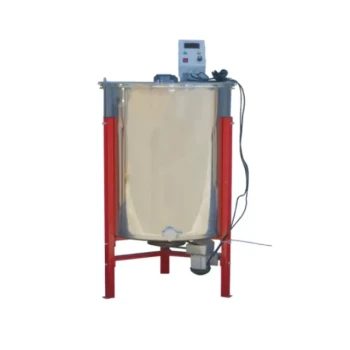
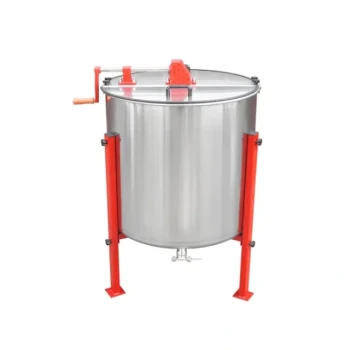
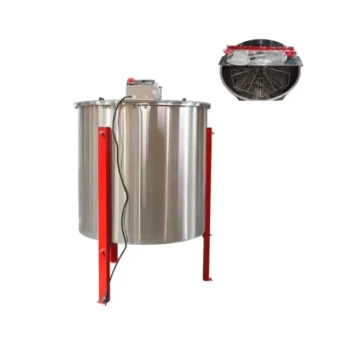
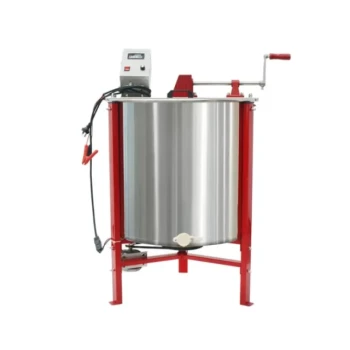
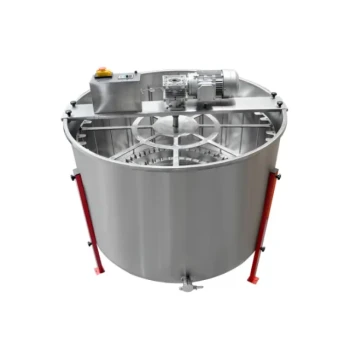
The primary function of an industrial centrifugal extractor is to separate honey from the wax cells using high-speed rotation. Unlike traditional crushing methods that destroy the comb, centrifugal force physically pulls the liquid out while leaving the structural integrity of the honeycomb intact. This non-destructive process is critical for maintaining a sustainable production cycle.
Boosting Hive Productivity
Preserving the honeycomb offers a significant biological advantage to the apiary. Because the physical structure of the comb is maintained, empty combs can be returned immediately to the beehive. This allows bees to reuse existing cells rather than expending energy and time secreting new wax, directly increasing the total honey yield and turnover during the short harvest season.
Protecting Bioactive Components
Advanced centrifugal systems employ precise mechanical control and temperature regulation. This ensures that the extraction process does not degrade the honey's unique physicochemical properties. By avoiding excessive heat or friction, these machines maximize the retention of bioactive components such as vitamins, phenols, and flavonoids found in high-quality mono-floral honeys.
The Science of Multi-Stage Filtration
Achieving Sensory Clarity
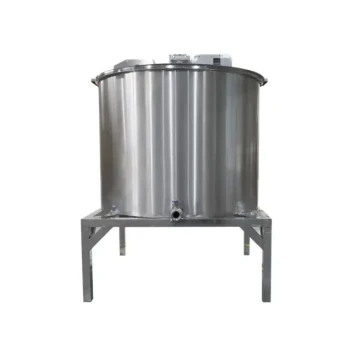
Following extraction, honey is passed through multi-stage stainless steel filtration systems. These systems utilize screens of varying precision to remove mechanical impurities, beeswax residues, and bee debris. The result is a product with high sensory clarity that meets the visual expectations of the consumer market.
Preventing Premature Crystallization
Filtration does more than just clean the honey; it extends shelf life. Impurities and microscopic wax particles often act as "nuclei" that trigger crystallization. By removing these impurity nuclei, filtration and sedimentation systems significantly improve storage stability and keep the honey in a liquid state for a longer period.
Ensuring Uniform Consistency
The filtration process is also responsible for removing air bubbles trapped during extraction. Eliminating these bubbles is essential for achieving a uniform viscosity. This consistency is a key indicator of quality for exportable honey and ensures the product meets strict international physicochemical standards.
Understanding the Trade-offs
The Necessity of Precision Control
While centrifugal extraction is efficient, it requires precise calibration. If the rotational speed is not perfectly controlled, the force could damage the comb structure or fail to extract the honey completely. Operators must balance speed with the durability of the wax to ensure the combs remain viable for reuse.
Filtration vs. Bioactive Retention
Filtration improves clarity, but it must be managed carefully to avoid stripping the honey of its character. The goal is to use precision filter presses that remove contaminants without filtering out the beneficial pollen or bioactive compounds that give specific honey varieties their unique nutritional profile and aroma.
Making the Right Choice for Your Goal
To optimize your processing line, align your equipment settings with your specific production targets:
- If your primary focus is Maximum Yield: Prioritize high-efficiency centrifugal extractors that allow for rapid honeycomb reuse, reducing the "downtime" of your bee colonies.
- If your primary focus is Shelf Stability: Invest heavily in precision filtration and sedimentation to remove all potential crystallization nuclei and air bubbles.
- If your primary focus is Organic/Bioactive Quality: Ensure your equipment features strict temperature regulation to preserve heat-sensitive phenols and flavonoids.
By integrating non-destructive extraction with precise filtration, you ensure a final product that is chemically stable, visually clear, and biologically potent.
Summary Table:
| Technology | Primary Function | Quality Impact |
|---|---|---|
| Centrifugal Extractor | Non-destructive honey separation | Preserves honeycomb for reuse; boosts total yield. |
| Multi-Stage Filtration | Removal of debris and wax particles | Achieves high clarity; prevents premature crystallization. |
| Temperature Control | Heat-sensitive regulation | Protects bioactive vitamins, phenols, and flavonoids. |
| Air Bubble Removal | Sedimentation and filtering | Ensures uniform viscosity and international export standards. |
Elevate Your Honey Production with HONESTBEE
Maximize your apiary's potential with professional-grade processing solutions. HONESTBEE specializes in supporting commercial apiaries and distributors with a full spectrum of wholesale beekeeping tools and industrial machinery.
Whether you need high-efficiency centrifugal extractors to boost hive turnover or precision honey-filling and filtration machines to ensure shelf stability, we provide the hardware and consumables necessary for success. From specialized hive-making equipment to honey-themed cultural merchandise, we deliver the value you need to scale your business.
Ready to upgrade your processing line? Contact our experts today to find the perfect equipment for your specific yield and quality goals!
References
- Yeşim AYTOP, Hüseyin Meral. Consumers Behavior Towards Bee Products Consumption in The Centre District of Kahramanmaras Province. DOI: 10.18016/ksutarimdoga.vi.561320
This article is also based on technical information from HonestBee Knowledge Base .
Related Products
- electric honey extractor honey centrifuge 3 frame honey extractor stainless steel honey frame extractor
- Manual Hand Crank 4 Frame Honey Extractor Centrifuge for Beekeeping
- Professional 4 Frame Self Reversing Electric Honey Extractor for Beekeeping
- Electric 4 Frame Tangential Honey Extractor
- 24 Frame Honey Extractor Commercial Radial Honey Frame Extraction Machine
People Also Ask
- What are the characteristics of electric honey extractors? Boost Your Apiary Efficiency with Automated Technology
- What are the disadvantages of using an electric honey extractor? Weighing Cost, Power, and Comb Safety
- What are the advantages of an electric honey extractor? Boost Efficiency and Scale Your Honey Production
- What are the technical advantages of electric honey extractors? Maximize Yield and Protect Your Bee Colony
- How does an electric honey extractor affect the quality of honey? Preserve Flavor & Purity with Precision Extraction