Specialized propolis collectors and extraction technologies raise product purity by systematically reducing contamination at both the hive and the processing facility. Collectors employ specific physical structures that induce bees to fill gaps, allowing for harvesting with minimal physical debris like wood shavings. Following harvest, extraction equipment utilizes solvent processes to filter out remaining impurities and concentrate active flavonoids, creating a product suitable for medical and cosmetic applications.
Core Takeaway: The transition from manual scraping to engineered collectors and solvent extraction is the defining factor in producing pharmaceutical-grade propolis. This technology eliminates physical contaminants at the source and chemically refines the product to concentrate valuable flavonoids, unlocking higher-value markets.
Enhancing Purity at the Hive Level
Strategic Gap Structures
Modern collectors utilize specific physical structures designed to exploit the natural behavior of bees. These collectors feature precise gaps that induce bees to apply propolis to seal the openings.
Eliminating Physical Contaminants
By directing bees to deposit propolis in these specific zones, beekeepers can harvest the material without scraping wooden hive bodies. This significantly reduces the inclusion of wood chips, splinters, and other macro-impurities that are unavoidable with traditional manual scraping methods.
Achieving Pharmaceutical-Grade Refinement
Solvent Extraction Technology
Once harvested, the raw material undergoes processing in specialized extraction equipment. This machinery uses solvents to dissolve the propolis, effectively separating the desirable resin from beeswax, pollen debris, and other solid impurities.
Concentrating Bioactive Compounds
The refinement process achieves more than simple filtration; it is critical for chemical standardization. The equipment concentrates active flavonoids, ensuring the final product meets the potency and purity requirements of the pharmaceutical and cosmetic industries.
Operational Considerations and Trade-offs
Investment vs. Market Access
Achieving high purity requires a shift from low-cost manual tools to specialized collection and extraction machinery. While this increases initial operational costs, it is the only pathway to produce "clean" raw materials required by industrial buyers, moving beyond the limitations of raw hive scrapings.
Holistic Hygiene Standards
Adopting this equipment aligns with broader modern beekeeping standards that prioritize non-destructive methods. Just as modern honey tools eliminate ash and smoke contamination, specialized propolis tools ensure the chemical and physical integrity of the byproduct, maximizing the total economic value of the hive.
Making the Right Choice for Your Goal
- If your primary focus is Pharmaceutical Contracts: Prioritize advanced solvent extraction equipment that can guarantee specific flavonoid concentrations and total removal of physical debris.
- If your primary focus is Economic Resilience: Implement gap-structure collectors across all hives to turn propolis into a reliable, high-grade revenue stream alongside honey and pollen.
By integrating these technologies, you transform propolis from a crude by-product into a refined, high-value industrial asset.
Summary Table:
| Feature | Traditional Manual Scraping | Modern Collectors & Extraction |
|---|---|---|
| Physical Purity | High risk of wood chips & splinters | Clean harvesting via gap-structures |
| Chemical Profile | Inconsistent & unrefined | Standardized flavonoid concentration |
| Market Value | Low-value crude by-product | High-value pharmaceutical grade |
| Process Efficiency | Labor-intensive manual labor | Systematic solvent-based refinement |
Elevate Your Propolis Production with HONESTBEE
Ready to transform crude hive scrapings into high-value pharmaceutical assets? HONESTBEE specializes in supporting commercial apiaries and distributors with premium wholesale solutions. We provide a full spectrum of beekeeping machinery—from advanced propolis collectors and honey-filling machines to industrial hive-making equipment.
Our expert-grade tools and essential consumables ensure your operation meets the rigorous purity standards of the medical and cosmetic industries. Contact us today to discuss how our comprehensive hardware and merchandise portfolio can maximize your apiary's economic resilience and product quality.
References
- A. A. Oyerinde, Theresa Ebia Omara-Achong. Comprehensive Value Chain Development of Natural Resources for Economic Diversification: The Apiculture Approach. DOI: 10.4236/ae.2021.92006
This article is also based on technical information from HonestBee Knowledge Base .
Related Products
- 8 Frame and 10 Frame Propolis Trap Collector Screen for Propolis Collection
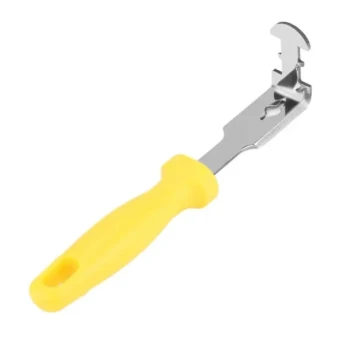
- Heavy Duty Stainless Steel Frame Cleaner with Plastic Handle
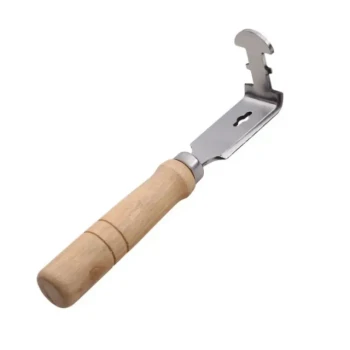
- Professional Stainless Steel Frame Cleaner with Ergonomic Wood Handle
- Stainless Steel Pollen Shovel with Wooden Handle
- Professional Stainless Steel Pry-Bar Hive Tool
People Also Ask
- Why is a specific wooden frame required when installing a propolis screen? Optimize Your Propolis Harvest Efficiency
- What are the advantages of using propolis collector screens? Elevate Your Harvest to Pharmaceutical Purity
- How do propolis collection screens work? Discover material specs for commercial harvesting equipment
- How does the mesh size of a propolis collection screen influence the efficiency of propolis harvesting? Optimize Yields!
- How do commercial-grade plastic screens compare to custom fine-mesh screens? Maximize Your Propolis Yield & ROI