Specialized honey extraction and filtration systems ensure compliance with international standards by utilizing centrifugal force and multi-stage physical barriers to purify the product without altering its chemical composition. These automated technologies mechanically remove physical contaminants—such as wax debris and bee remains—while simultaneously managing moisture levels to prevent fermentation and preserve the honey’s natural biological activity.
By replacing manual handling with precise mechanical separation and environmental controls, these systems bridge the gap between raw harvest and export-grade product, guaranteeing the sanitary safety, extended shelf life, and enzymatic integrity required by regulators like the EU.
Mechanisms of Purity and Consistency
To meet strict physicochemical parameters, modern systems rely on non-invasive separation techniques.
Centrifugal Separation
The core of the extraction process involves using centrifugal force rather than heat to separate honey from the comb. This mechanical method efficiently isolates the liquid while preserving the structural integrity of the beeswax. By avoiding thermal processing at this stage, the system protects the heat-sensitive enzymes that define the honey's "raw" status and commercial value.
Multi-Stage Filtration
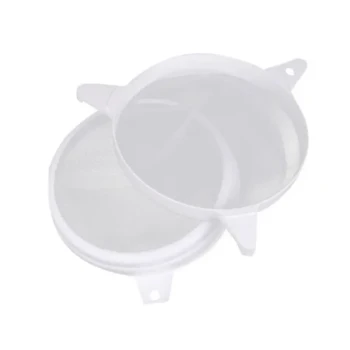
Export markets often demand high transparency and a lack of visual sediment. Integrated filtration units employ varying grades of stainless steel mesh to systematically remove impurities. These filters capture macroscopic debris, such as wax particles and pollen clumps, ensuring the final product meets the sensory and clarity standards expected in North American and European markets.
Moisture Control
Excess water is the primary cause of honey fermentation and spoilage. Advanced systems include preliminary moisture control modules that stabilize the water content of the honey. This prevents the growth of yeasts and ensures the product remains stable during long-haul shipping and storage.
Preserving Biological and Sanitary Integrity
International standards, particularly in the EU, place a premium on hygiene and the preservation of bio-active ingredients.
Hygienic Isolation
Specialized processing centers utilize semi-automated equipment, such as settling tanks and closed-loop extractors, to isolate honey from the environment. This significantly reduces the risk of contamination from dust, pests, or human handling. Maintaining a controlled hygienic environment is a prerequisite for obtaining the official health inspection seals required for formal export.
Protecting Bio-Activity
The commercial value of honey is often tied to its biological activity (enzymes and antioxidants). High-quality extraction systems are designed to minimize physical shear and avoid overheating. This preservation of chemical integrity ensures the honey passes rigorous laboratory analyses regarding composition and maturity.
Traceability and Standardization
Industrial facilities enable a standardized mechanical process that supports equipment registration and batch tracking. This infrastructure allows producers to provide the traceability data required by import authorities, proving the origin and processing history of every batch.
Common Pitfalls to Avoid
While technology enhances quality, improper application can lead to disqualification in niche markets.
The Risk of Ultra-Filtration
There is a critical distinction between removing impurities and "ultra-filtration." While removing wax and debris is essential, removing all microscopic pollen can strip the honey of its botanical identity. This makes it impossible to verify origin, potentially flagging the product as adulterated in strict markets.
Managing Shear Stress
During the filling phase, high-viscosity honey is susceptible to physical stress. Poorly designed pumps can introduce air bubbles or alter the crystal structure. Precision pneumatic or servo-controlled filling systems are necessary to prevent these physical changes, which can accelerate unwanted crystallization or degrade the visual appeal of premium varieties like Acacia.
Making the Right Choice for Your Goal
Selecting the right extraction and filtration setup depends heavily on your target market's specific regulations.
- If your primary focus is High-Volume Export: Prioritize systems with integrated moisture control and standardized traceability features to ensure consistent compliance with EU or FDA safety regulations.
- If your primary focus is Premium/Raw Retail: Focus on equipment that emphasizes low-temperature centrifugal extraction and gentle filtration to maximize enzyme retention and flavor profile.
By integrating precise mechanical separation with rigorous hygiene controls, you transform a raw agricultural variable into a consistent, certified export commodity.
Summary Table:
| Feature | Mechanism | Export Standard Benefit |
|---|---|---|
| Centrifugal Extraction | Non-thermal mechanical separation | Preserves heat-sensitive enzymes & raw status |
| Multi-Stage Filtration | Stainless steel mesh barriers | Ensures clarity and removes physical contaminants |
| Moisture Control | Atmospheric/Dehydration modules | Prevents fermentation for long-haul stability |
| Hygienic Isolation | Closed-loop automated systems | Meets sanitary safety & health inspection criteria |
| Traceability | Standardized batch tracking | Provides origin proof required by import authorities |
Elevate Your Honey Production for the Global Market
Transitioning from raw harvest to export-grade honey requires precision, hygiene, and the right industrial infrastructure. HONESTBEE specializes in supporting commercial apiaries and distributors with the high-performance machinery needed to meet rigorous international standards.
Whether you need specialized honey-filling machines, advanced filtration systems, or a complete suite of beekeeping tools and consumables, we provide the hardware and expertise to scale your operations. Our comprehensive wholesale offering ensures you have access to the equipment that preserves enzyme integrity and guarantees sanitary safety.
Ready to expand your reach? Contact us today to discover how HONESTBEE can streamline your path to international export success.
References
- Taras Dudar. Development of beekeeping in Ukraine; successes achieved, the need for marketing cooperation in the industry, the strategy of the honey business. DOI: 10.35774/visnyk2020.02.036
This article is also based on technical information from HonestBee Knowledge Base .
Related Products
- Electric Double Wall Honey Filtering Machine Purifier Equipment for Honey Processing Plant
- Honey Concentrating and Filtering Dehumidifier Machine 2T Capacity for Honey
- 0.5T Capacity Honey Dehumidifier Dryer with Vacuum Heating and Thickening Filtering Machine
- Professional Honey Filter with Tripod Support Stand
- Professional Stainless Steel Honey Filtering Machine with Water Bath Heating for Beekeeping
People Also Ask
- What is the process of filtering honey? A Guide to Clean, Pure, and Market-Ready Honey
- What types of equipment are used in honey filtering? Build an Efficient System for Pure, Marketable Honey
- What is the overall importance of using the right equipment in honey filtering? Boost Quality & Marketability
- How should honey filtering equipment be properly maintained? Extend Equipment Life & Protect Honey Purity
- What is a potential concern associated with filtering honey? Balancing Clarity and Pollen Preservation