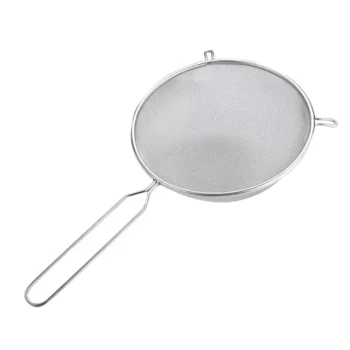
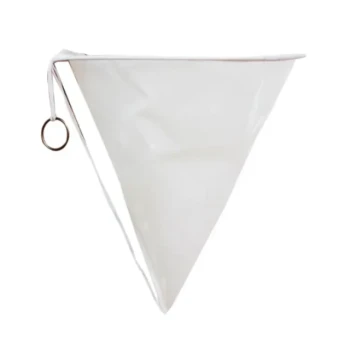
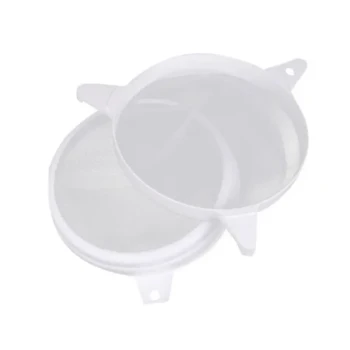
High-precision honey filtration is the critical post-processing step that transforms raw harvest into a shelf-stable, commercially viable product. By utilizing physical barriers to remove impurities such as wax fragments, larval remains, and air bubbles, this equipment significantly enhances visual clarity and extends shelf life by delaying natural crystallization.
Core Insight: While raw honey is naturally chemically stable, the physical debris suspended within it acts as a catalyst for spoilage and solidification. Precision filtration removes these catalysts to create a product that remains liquid and clear for longer periods, meeting consumer expectations without necessarily stripping the honey of its biological value.
Enhancing Physical Quality and Clarity
Removal of Physical Contaminants
The primary function of high-precision filtration is the elimination of particulate matter.
Raw honey often contains wax fragments, larval remains, propolis residue, and other debris collected during harvest. Specialized equipment filters these out to produce a "clean" liquid that meets strict food safety standards, such as the PN-88/A-77626 standard.
Improving Sensory Appeal
Modern consumers equate clarity with quality.
Filtration ensures the final product is transparent and visually appealing, which is essential for brand positioning in competitive markets. By removing suspended solids, the equipment also ensures a smooth, uniform texture, avoiding the gritty mouthfeel associated with unfiltered honey.
Elimination of Air Bubbles
Industrial-grade separation systems are designed to remove trapped air.
Air bubbles not only mar the visual appearance of bottled honey but can also introduce oxidation risks. Precision processing removes these bubbles, resulting in a dense, aesthetically perfect liquid.
The Science of Shelf Life Extension
Delaying Crystallization
Crystallization is a natural process, but particulate matter accelerates it significantly.
Microscopic impurities like wax or pollen act as nucleation sites where sugar crystals begin to form. By refining the honey and removing these solid particles, high-precision filtration effectively removes the "seeds" of crystallization, keeping the honey in a liquid state for a much longer duration.
Preventing Spoilage and Fermentation
Certain organic impurities can threaten the stability of the honey.
Debris such as protein residues or excessive yeast-carrying particles can trigger fermentation, especially in honeys with higher moisture content like that of stingless bees. Filtration stabilizes the product by removing these organic triggers, thereby preventing spoilage during storage.
Critical Considerations and Trade-offs
Bioactivity vs. Clarity
There is a delicate balance between purification and stripping the product.
While the goal is to remove debris, over-processing can damage the honey. Advanced industrial systems utilize multi-stage precision processes to remove waste without destroying the honey's biological active ingredients or natural aroma. It is vital to use equipment that distinguishes between unwanted filth and valuable nutritional components.
Standardization vs. Cost
Implementing high-precision filtration requires a significant investment in industrial-grade hardware.
However, this is often a necessary trade-off for scaling. Manual straining is inconsistent and labor-intensive. Automated filtration ensures standardized results batch after batch, which is a prerequisite for entering retail chains or wholesale markets.
Making the Right Choice for Your Goal
To maximize the value of your honey processing, align your filtration strategy with your end-product goals:
- If your primary focus is Mass Market Retail: Prioritize filtration systems that maximize visual clarity and delay crystallization, as shelf aesthetics and liquid longevity are the primary drivers of consumer purchase decisions.
- If your primary focus is Premium/Raw Branding: Select equipment designed to remove wax and macro-debris while explicitly preserving pollen content and bioactive ingredients, ensuring you can market the product as pure yet clean.
High-precision filtration does not just clean honey; it stabilizes the chemistry of the product to protect your brand's reputation and bottom line.
Summary Table:
| Feature | Impact on Honey Quality | Benefit to Shelf Life |
|---|---|---|
| Contaminant Removal | Eliminates wax, larvae, and propolis | Prevents spoilage and ensures food safety |
| Visual Clarification | Produces a transparent, glossy appearance | Meets premium market standards for clarity |
| Air Bubble Removal | Creates a smooth, dense texture | Reduces oxidation risk and improves aesthetics |
| Nucleation Control | Removes particles that seed crystals | Significantly delays natural crystallization |
| Organic Stabilization | Filters out yeast-carrying debris | Prevents fermentation in high-moisture honey |
Elevate Your Honey Production with HONESTBEE
To compete in the professional market, clarity and stability are non-negotiable. HONESTBEE provides commercial apiaries and distributors with the high-precision machinery needed to turn raw harvests into premium, shelf-stable products. From advanced honey-filling machines to industrial filtration and hive-making equipment, we supply the full spectrum of tools required for global wholesale success.
Ready to scale your operation and enhance your brand's reputation? Contact us today to discover how our expert solutions can streamline your processing and maximize your product's value.
References
- Ramazan Seçim, Sezai Alkan. Determination of Consumers Consciousness Levels of Consumption of Bee Products. DOI: 10.51458/bstd.2023.31
This article is also based on technical information from HonestBee Knowledge Base .
Related Products
- Electric Double Wall Honey Filtering Machine Purifier Equipment for Honey Processing Plant
- Professional Stainless Steel Honey Filtering Machine with Water Bath Heating for Beekeeping
- Commercial Rotary Honey Filling Machine for Production
- Professional Stainless Steel Honey Filter with Support Handle
- Honey Concentrating and Filtering Dehumidifier Machine 2T Capacity for Honey
People Also Ask
- What types of equipment are used in honey filtering? Build an Efficient System for Pure, Marketable Honey
- What is the process of filtering honey? A Guide to Clean, Pure, and Market-Ready Honey
- What is the overall importance of using the right equipment in honey filtering? Boost Quality & Marketability
- What steps are involved in maintaining honey filtering equipment? A Guide to Protecting Your Honey Quality
- What is a potential concern associated with filtering honey? Balancing Clarity and Pollen Preservation