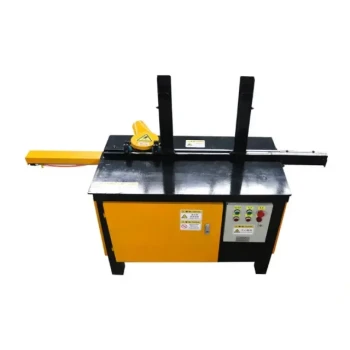
The distinction between plant types fundamentally dictates your equipment mobility strategy. For operations centered on naturally distributed flora, the stability of the resource justifies capital expenditure on fixed, high-volume processing infrastructure. Conversely, reliance on exotic or introduced species necessitates an investment strategy focused on agile, mobile assets—such as trailers and lightweight hives—to mitigate the risks of inconsistent flowering windows.
Stability is the currency of infrastructure investment; natural flora supports fixed asset depreciation, while exotic flora demands mobile assets to chase fleeting resources.
Investing in Naturally Distributed Flora
The Value of Climate Resilience
Naturally distributed plants have evolved to withstand local weather patterns. They offer a high degree of predictability regarding pollen and nectar availability.
Because these sources are resilient, they provide the consistent year-over-year yields necessary to amortize expensive machinery. You can rely on the resource being there next season.
Justifying Fixed Assets
The stability of native plants allows you to anchor your operation. It makes financial sense to construct permanent, large-scale apiaries.
This justifies the purchase of heavy-duty, stationary extraction lines. You can also invest in automated, fixed processing equipment that would be too cumbersome to move.
Strategy for Exotic and Landscape Species
Managing Flowering Fluctuations
Exotic or introduced landscape plants often lack the biological rhythm of native species. Their flowering periods can be highly erratic, shifting based on minor environmental changes.
Reliance on these plants introduces supply chain volatility. A fixed location may be productive one month and barren the next.
The Necessity of Mobility
To capture value from exotic species, your machinery must be adaptable. Investment should shift away from buildings and toward specialized transport.
Mobile beekeeping trailers become the centerpiece of your asset list. This allows you to relocate operations rapidly to match the shifting bloom windows of introduced species.
Prioritizing Lightweight Equipment
Standard, heavy hives are a liability in this model. The need for frequent relocation dictates the use of lightweight beehives.
This equipment choice reduces labor fatigue and transport fuel costs. It ensures your machinery maximizes the "time-in-bloom" rather than time spent on logistics.
Understanding the Trade-offs
Operational Complexity vs. Capital Stability
Investing in mobile gear for exotic plants lowers your risk of resource failure but drastically increases operational overhead. You will face higher costs for fuel, vehicle maintenance, and logistics management.
The Risk of Fixed Locations
While fixed infrastructure for natural plants offers efficiency, it lacks strategic agility. If a disease or extreme weather event specifically targets the native flora, your immovable assets become temporarily worthless.
Making the Right Choice for Your Goal
To maximize your return on investment, you must audit your local flora before purchasing equipment.
- If your primary focus is long-term stability and volume: Invest in fixed, heavy-duty processing machinery and permanent apiary sites to capitalize on the resilience of native plants.
- If your primary focus is chasing high-value, short-term flows: Invest in mobile trailers and lightweight hive bodies to maintain the flexibility required by unpredictable exotic species.
Your machinery is only as valuable as its ability to access the bloom.
Summary Table:
| Investment Factor | Naturally Distributed Flora | Exotic / Introduced Plants |
|---|---|---|
| Resource Predictability | High (Climate Resilient) | Low (Erratic Flowering) |
| Primary Asset Focus | Fixed, High-Volume Infrastructure | Agile, Mobile Equipment |
| Key Machinery | Stationary Extraction Lines | Beekeeping Trailers |
| Equipment Type | Heavy-duty / Permanent | Lightweight / Portable |
| Operational Risk | Strategic Inflexibility | High Logistics & Fuel Costs |
| Economic Strategy | Long-term Asset Depreciation | Dynamic Resource Acquisition |
Scaling Your Beekeeping Operation? Partner with HONESTBEE
At HONESTBEE, we understand that your equipment needs depend entirely on your floral resources. Whether you are building a permanent processing facility for stable native flora or require agile, lightweight equipment to chase exotic blooms, we provide the industrial-grade solutions you need.
Our Value to You:
- Comprehensive Wholesale Catalog: From hive-making machinery to honey-filling lines, we supply everything commercial apiaries and distributors require.
- Customized Solutions: We cater to large-scale operations with specialized hardware and essential industry consumables.
- Industry Expertise: We don't just sell tools; we provide the machinery that powers beekeeping productivity.
Ready to optimize your capital investment and increase your honey yield? Contact HONESTBEE today to discuss our wholesale beekeeping tools and machinery tailored to your business model.
References
- Fazlı Öztürk, Kumru Özge GÖRHAN. Seyhan (Adana) İlçesi Peyzaj Bitkilerinin Arıcılık Açısından Değerlendirilmesi. DOI: 10.46291/ispecjasvol5iss4pp939-948
This article is also based on technical information from HonestBee Knowledge Base .
Related Products
- Queen Bee Artificial Insemination Instrument Equipment for Instrumental Insemination
- HONESTBEE 15-in-1 Beekeeper Multi-Tool with Hammer and Pliers for Beekeeping
- Stainless Steel Queen Grafting Tool for Beekeeping and Bee Queen Grafting
- Stainless Steel J Hook Hive Tool for Beekeeping
- Multi-Function Plier-Style Frame Grip Hive Tool
People Also Ask
- Why is maintaining sanitary conditions important during artificial insemination? Protect Your Queen from Fatal Infections
- Why are artificial insemination instruments critical in bee hybridization? Master Genetic Control & Pure Breeding
- What is the core value of bee artificial insemination instruments in breed improvement? Achieve Precise Genetic Control
- Why is professional bee artificial insemination equipment considered a core tool for genetic control in honeybee breeding? Ensure 100% Purity
- Why is high-purity CO2 used for queen bee artificial insemination? Unlock Precision Breeding & Faster Egg-Laying