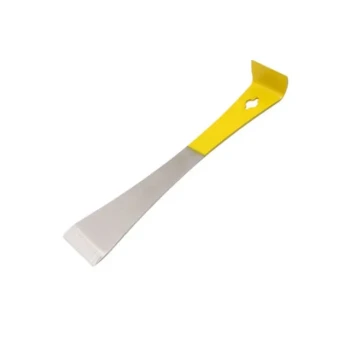
The scorching and scraping process acts as a dual-layer defense system for beekeeping equipment, combining mechanical sanitation with thermal sterilization. This method primarily functions by physically removing contaminated organic matter—such as burr comb and propolis—and subsequently applying high-intensity heat to destroy microscopic pathogens like Nosema spores and American Foulbrood bacteria that survive standard cleaning.
While chemical treatments are often necessary for active pests, scorching and scraping provide a fundamental structural reset. This process eliminates the physical reservoirs where disease lingers, ensuring that re-used equipment does not become a vector for colony collapse.
The Mechanics of Decontamination
Removing the Pathogen Reservoir
Before heat is applied, the scraping phase is essential for removing physical barriers. Old residues like burr comb, propolis, and accumulated dirt serve as protective layers for bacteria.
By mechanically stripping this debris, you expose the raw surface of the wood or frame. This removes the "bunkers" where pathogens hide, ensuring the subsequent heat treatment can reach the surface directly.
Thermal Destruction
The scorching phase utilizes a blowtorch or similar flame source to sanitize the cleaned surfaces. This is not merely about cleaning; it is a sterilization technique.
High temperatures effectively denature proteins and destroy the cellular structure of bacteria and fungi. This is particularly effective against resilient biological threats that chemical washes might fail to penetrate.
Targeted Disease Control
Neutralizing Resilient Spores
Certain hive pathogens, specifically American Foulbrood (AFB) and Nosema, produce spores that are incredibly durable. These spores can lie dormant in hive material for years, waiting for a new host.
The direct application of flame targets these specific life stages. By scorching the interior surfaces, you interrupt the lifecycle of these diseases, preventing them from infecting a new colony introduced to the equipment.
Preventing Cross-Infection
Disease rates often spike due to the rotation of equipment between hives. Without sterilization, a single infected frame can compromise an entire apiary.
Scorching serves as a "firewall" in your management practice. It ensures that equipment moving from a collapsed or sick colony is neutral and safe before being repurposed.
Understanding the Trade-offs and Limitations
Equipment vs. Colony Treatment
It is critical to understand the distinction between sanitizing equipment and treating bees. Scorching is strictly for the woodenware and frames.
As noted in broader pest management contexts, biological threats like Varroa mites and hornets require specialized chemical or biological treatments applied to the living colony. Scorching clean boxes will not cure a colony currently infested with mites.
Material Degradation
While effective, fire is destructive. Aggressive scorching can char wood deeply, potentially shortening the lifespan of your hive boxes and frames over time.
You must find the balance between a light surface toast (sanitization) and deep charring (structural damage).
Labor Intensity
This process is manual and time-consuming compared to chemical dips or irradiation. It requires physical effort to scrape thoroughly and careful attention to detail during the scorching phase to ensure no area is missed.
Making the Right Choice for Your Apiary
To effectively control disease, you must apply the right method to the right problem.
- If your primary focus is routine equipment rotation: Scrape and lightly scorch boxes annually to prevent the slow buildup of Nosema and general bacteria.
- If your primary focus is recovering from American Foulbrood: Scorch heavily and aggressively; the high heat is the only reliable way to kill AFB spores on woodenware without destroying it entirely.
- If your primary focus is active parasite management (Varroa): Do not rely on scorching; utilize specialized medicinal treatments and management consumables designed for living colonies.
By mastering the scorching and scraping technique, you convert your maintenance routine into a proactive biosecurity measure that safeguards the long-term economic viability of your apiary.
Summary Table:
| Process Phase | Primary Action | Target Pathogens | Key Benefit |
|---|---|---|---|
| Scraping | Mechanical removal of burr comb & propolis | Organic reservoirs, hidden bacteria | Exposes raw surfaces for heat treatment |
| Scorching | High-intensity thermal sterilization | AFB spores, Nosema, fungal spores | Destroys cellular structure of dormant pests |
| Maintenance | Routine structural reset | General bacteria & cross-contamination | Prevents hive equipment from becoming disease vectors |
Secure Your Apiary’s Future with HONESTBEE
Protecting your colony starts with the right equipment and maintenance strategy. HONESTBEE is dedicated to supporting commercial apiaries and distributors with premium wholesale solutions.
Whether you need heavy-duty hive-making machinery, precision honey-filling machines, or a steady supply of beekeeping tools and consumables, we provide the industrial-grade hardware required to maintain a healthy and productive operation. Our expertise ensures your equipment remains a shield against disease, not a vector.
Maximize your productivity and biosecurity—Contact HONESTBEE today to discuss our full spectrum of beekeeping hardware and machinery!
References
- Ahmet Akpınar, Zehra Bozkurt. An Analysis on Migratory Beekeeping in Inner‐West Anatolia Region, Afyonkarahisar, Turkey: Production, Practice, Marketing, and Challenges. DOI: 10.31196/huvfd.982231
This article is also based on technical information from HonestBee Knowledge Base .
Related Products
- Stainless Steel J Hook Hive Tool for Beekeeping
- HONESTBEE 15-in-1 Beekeeper Multi-Tool with Hammer and Pliers for Beekeeping
- HONESTBEE Classic Pry Bar Hive Tool with High Visibility Finish for Beekeeping
- Multi-Function Plier-Style Frame Grip Hive Tool
- HONESTBEE Professional Mini J-Hook Hive Tool for Beekeeping
People Also Ask
- What specific challenges do beekeeping hive tools address during hive maintenance? Essential Solutions for Apiaries
- What are the features of a J-hook hive tool? Effortlessly Lift Frames with Superior Leverage
- What is a J-hook hive tool and why is it favored by some beekeepers? Master Gentle Frame Handling
- What is the purpose of the J-hook hive tool? Effortlessly Lift Frames with Superior Leverage
- How is a J-hook hive tool designed and what is its primary use? Master Effortless Hive Inspections