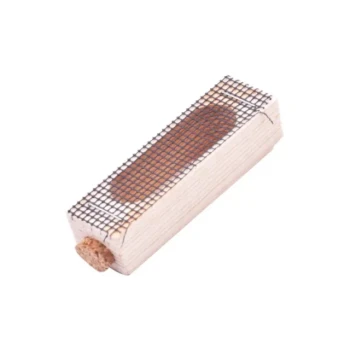
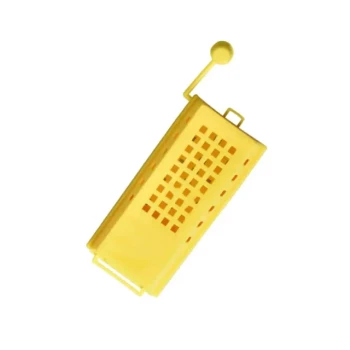
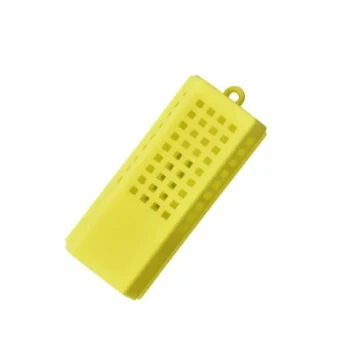
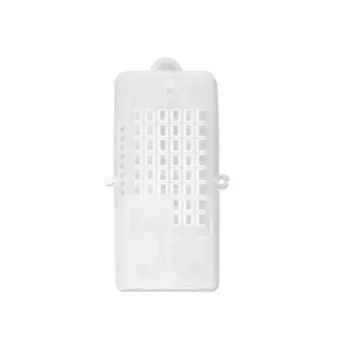
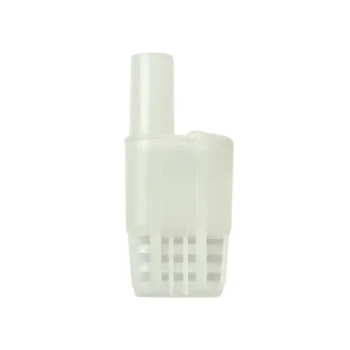
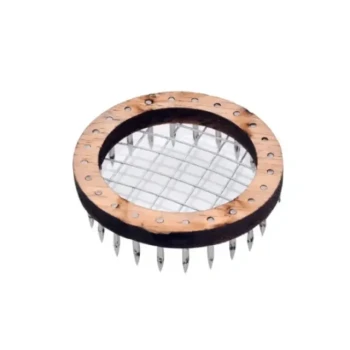
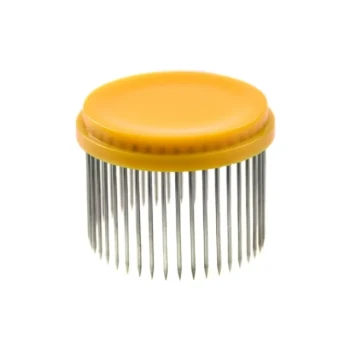
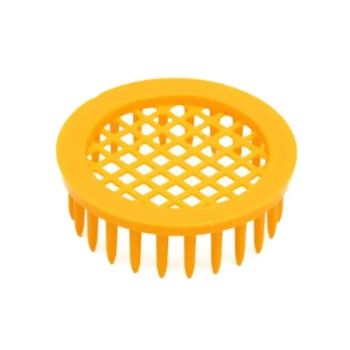
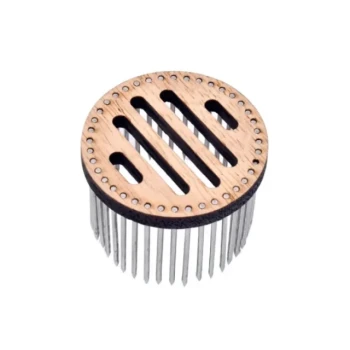
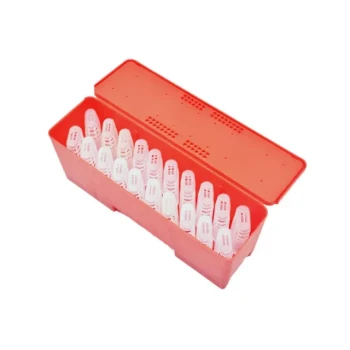
Specialized queen cages are the primary tools used to safely transport and introduce a new queen bee to a colony. The most common designs include plastic JZ BZ style cages, professional queen bee butler catcher cages, wooden double-holed cages, and Scalvini cages.
Core Takeaway The success of a new queen depends on specialized enclosures that house her with attendant bees for life support during transit. These cages create a physical barrier that allows for gradual pheromone acclimatization, preventing the colony from attacking the queen before they accept her scent.
The Primary Tools for Queen Management
Common Cage Designs
Beekeepers rely on specific cage architectures to ensure the queen's safety. The most practical tools include plastic JZ BZ style cages, professional queen bee butler catcher cages, and wooden double-holed cages.
The Role of Attendants
These structures are not designed for the queen alone. They typically house the mated queen along with approximately six host worker bees.
These "attendants" are essential for the queen's survival. They are responsible for grooming and feeding her throughout the transit period.
The Scalvini Cage
A specific tool often used for the introduction phase is the Scalvini Queen Cage. This device is inserted directly into the hive to facilitate the transition from transport to colony integration.
The Mechanics of Safe Introduction
Pheromone Acclimatization
The introduction process relies on the colony gradually accepting the new queen's unique chemical signature. Placing the queen inside a cage within the hive allows worker bees to get used to her pheromones without physical contact.
This gradual exposure significantly increases the likelihood that the colony will accept her as their new reproductive head.
The Release Process
Releasing the queen is a delicate operation that involves removing a cork from one end of the cage. It is critical to do this without disturbing the mesh screen that protects her.
Once the cork is removed, worker bees will sense the opening and move toward the queen.
Critical Considerations and Risks
Timing is Everything
A common pitfall is rushing the release. The supplementary data suggests allowing the bees roughly one hour after uncorking to become accustomed to her pheromones before full release.
Releasing a queen before the colony has adjusted to her scent can result in the workers attacking or "balling" her.
Cage Integrity during Transit
While the cage protects the queen, the mesh allows for airflow and scent exchange. Beekeepers must ensure the screen remains undamaged during the removal of the cork to prevent accidental injury or premature escape.
Ensuring a Successful Transition
To maximize the survival and acceptance of your new queen, choose the right approach for your specific phase of operation.
- If your primary focus is Safe Transport: Utilize wooden double-holed or JZ BZ style cages populated with approximately six attendant bees to ensure the queen is fed and groomed.
- If your primary focus is Colony Acceptance: Use a cage that allows for high airflow, such as the Scalvini cage, and insert it into the hive to establish a pheromone link before release.
- If your primary focus is The Release Moment: Carefully remove the cork and observe the workers for at least one hour to verify they are attracted to, rather than aggressive toward, the new queen.
The goal is not just to move the queen, but to integrate her biology with the colony's social structure.
Summary Table:
| Tool Type | Primary Use Case | Key Features |
|---|---|---|
| JZ BZ / Plastic Cages | Transport & Shipping | Lightweight, durable, and cost-effective for bulk use. |
| Wooden Double-Holed | Long-distance Transport | Traditional, sturdy, and provides excellent insulation for attendants. |
| Scalvini Queen Cage | Colony Introduction | Specialized for hive insertion to maximize pheromone exposure. |
| Butler Catcher Cage | Catching & Short-term Hold | Professional-grade for easy capture and temporary queen isolation. |
| Sugar Candy Plug | Delayed Release | Provides a natural timer for colony acceptance through consumption. |
Maximize Your Apiary’s Success with HONESTBEE
Successful queen integration is the heartbeat of a productive colony. At HONESTBEE, we empower commercial apiaries and distributors with the high-quality tools needed to ensure queen safety and colony health. From precision-engineered JZ BZ cages and Scalvini introduction tools to heavy-duty beekeeping machinery and specialized honey-filling equipment, our comprehensive wholesale portfolio has everything your business needs to scale.
Partner with HONESTBEE today for:
- Wholesale Excellence: Bulk supplies of essential beekeeping hardware and consumables.
- Industry Expertise: Tools designed for professional-grade reliability and durability.
- Diverse Portfolio: Everything from hive-making machines to honey-themed cultural merchandise.
Ready to elevate your beekeeping operation? Contact us today to discuss your wholesale needs and see how our global supply chain can work for you!
Related Products
- Durable Galvanized Steel Spring Queen Bee Cage
- Classic Wooden and Mesh California Queen Cage
- Professional Queen Bee Introduction and Transport Cage
- Professional Queen Cage with Sliding Gate and Feeder Plug
- Professional Multi-Compartment Queen Cage with Sliding Lid
People Also Ask
- Why are specialized queen bee cages used for the banking of mated queen bees? Maximize Commercial Apiary Storage Efficiency
- What is the mechanism of action for using temporary queen bee cages? Master Successful Queen Introduction
- What is the step-by-step process for installing a queen bee's cage onto a frame? Ensure Hive Acceptance Safely
- What is the optimal placement for a queen bee cage? Essential Strategies for Successful Re-queening
- What are the advantages and disadvantages of introducing a queen bee by embedding the cage? Boost Your Queen Acceptance