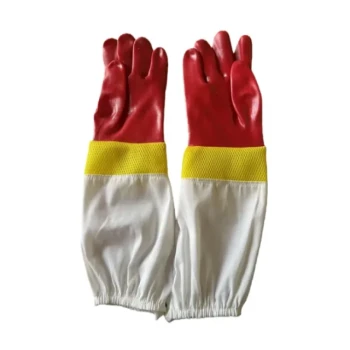
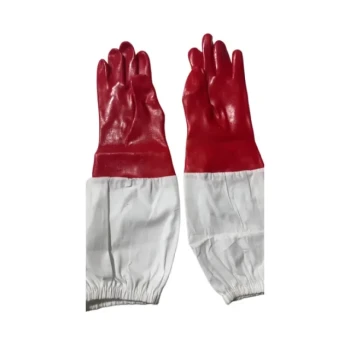
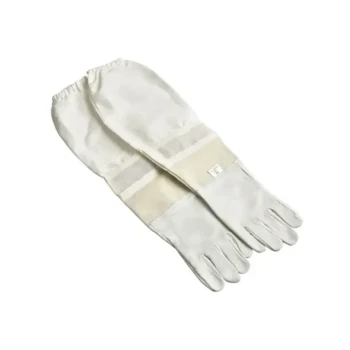
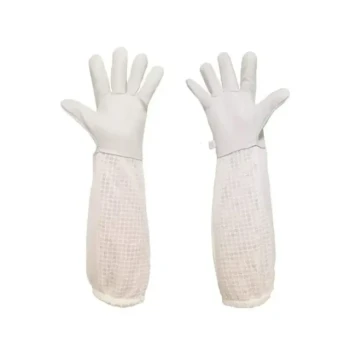
Beekeeping gloves are primarily manufactured from varying grades of leather, heavy canvas, or synthetic materials like nitrile and rubber. The most common configuration involves leather (such as cowhide or goatskin) for the hand area to prevent stings, while canvas is frequently used for the sleeve or gauntlet. Modern alternatives also include full nitrile or rubber-coated gloves, which prioritize tactile sensation and hygiene over heavy-duty puncture resistance.
Core Insight The ideal beekeeping glove material is defined by the trade-off between sting resistance and tactile sensitivity. While thicker materials offer immunity to stings, they often reduce the dexterity required to handle bees gently, which can ironically lead to a more agitated hive.
Primary Material Categories
Leather (Cowhide)
Leather is the traditional standard for beekeeping protection due to its exceptional durability. It offers high resistance to stings, making it a safe barrier for defensive hives. However, standard leather tends to be thicker, which can make it less flexible and reduce the wearer's ability to feel delicate components.
Goatskin
Goatskin is widely recommended for those seeking a balance between protection and flexibility. It is lighter and more supple than cowhide, allowing for greater control and dexterity. This material provides substantial sting protection while retaining enough tactile feedback to handle frames without clumsiness.
Canvas and Cotton
Canvas gloves are noted for offering high dexterity, making them beneficial for intricate tasks such as checking brood frames or harvesting honey. While often used for the hand portion in specific designs, heavy cotton or canvas is most frequently employed in the gauntlet sleeves of the glove, extending to the elbow for breathable arm protection.
Nitrile and Rubber
For beekeepers who prioritize maximum tactile feedback, gloves coated with nitrile or rubber are the modern standard. These are lightweight and allow for superior control over hive tools and frames. While they offer a barrier against stings, their primary advantage is maintaining the sensitivity needed to avoid crushing bees.
Structural Features and Fit
The Gauntlet
Regardless of the hand material, quality gloves typically feature a gauntlet base that extends up the forearm to the elbow. These are often made of canvas or stiff ventilated mesh. This extension is crucial for sealing the gap between the hand and the suit sleeves.
The Necessity of a Snug Fit
Gloves must fit snugly to ensure they do not slide off the wrist during operation. A loose glove compromises dexterity and increases the risk of bees crawling inside the gear. Beekeepers typically put gloves on first, layering the suit sleeves over them for a secure seal.
Understanding the Trade-offs
Sensitivity vs. Security
Thick gloves (like heavy cowhide) can be a disadvantage because they dampen the beekeeper's sensitivity. If you cannot feel the bees, you are more likely to accidentally crush them while moving frames. Crushing a bee releases alarm pheromones, which can trigger a defensive reaction from the rest of the colony.
Maintenance Requirements
Leather gloves require specific care to maintain their protective qualities. They should be cleaned with mild soap and warm water to dissolve honey and wax without stripping natural oils. Strong detergents must be avoided, as they can ruin the leather, causing it to crack and compromise your safety.
Making the Right Choice for Your Goal
- If your primary focus is Learning the Basics: Opt for goatskin gloves with canvas sleeves, as they provide a forgiving mix of safety and the dexterity needed to learn proper frame handling.
- If your primary focus is Maximum Protection: Choose heavy leather (cowhide) gloves, particularly when dealing with aggressive colonies or if you have a severe fear of stings.
- If your primary focus is Precision and Hygiene: Select nitrile or rubber-coated gloves, which allow for intricate work and are easier to clean, though they offer less armor against deep stings.
Select the material that allows you to work confidently, but remember that the best protection is the ability to handle the hive gently.
Summary Table:
| Material Type | Primary Benefit | Level of Dexterity | Best Use Case |
|---|---|---|---|
| Cowhide Leather | Maximum sting protection & durability | Low | Aggressive hives or beginners |
| Goatskin Leather | Balanced protection and suppleness | Medium-High | General hive inspections |
| Canvas / Cotton | Breathability and arm coverage | High (as sleeves) | Gauntlets and lightweight tasks |
| Nitrile / Rubber | Maximum tactile sensitivity & hygiene | Very High | Queen marking and precision work |
Elevate Your Beekeeping Operations with HONESTBEE
As a leading global supplier, HONESTBEE specializes in providing commercial apiaries and distributors with premium-grade beekeeping essentials. Whether you need durable leather gloves, high-precision hive-making machinery, or specialized honey-filling equipment, our comprehensive wholesale portfolio is designed to scale your business.
Why Partner with HONESTBEE?
- Full Spectrum Supply: From professional tools to industry consumables.
- Commercial Grade: Equipment built for the rigors of large-scale honey production.
- Brand Growth: Enhance your inventory with our curated honey-themed merchandise.
Ready to upgrade your apiary’s efficiency or expand your distribution range? Contact us today to discuss your wholesale needs!
Related Products
- Beekeeping Gloves Goatskin Leather with Long Cotton Sleeve for Beekeepers
- Heavy Duty Red Rubber Beekeeping Gloves with Vented Mesh Cotton Sleeves
- Heavy Duty Red Rubber Beekeeping Gloves with Extended Pure Cotton Sleeves for Beekeepers
- Goatskin Leather Beekeeper Gloves with Vent Long Sleeve for Beekeeping Honey Bee Sting Proof Protection
- Premium Ventilated Goatskin Beekeeping Gloves with Full 3-Layer Mesh Sleeve
People Also Ask
- What are the characteristics of the best gloves for beekeeping? Choose Protection & Dexterity
- What are the primary purposes of using beekeeping gloves? Protect Your Hands and Ensure Apiary Hygiene
- What types of gloves are available for beekeeping? Choose the Right Protection for Your Hive
- Why is it important for beekeepers to wear gloves? Essential Safety and Confidence for Hive Management
- Why do some experienced beekeepers opt not to wear gloves? Discover the Benefits of Tactile Precision