The primary function of an automated honey harvesting frame is to transform the extraction process into a mechanical, in-situ operation that requires no removal of hardware. By utilizing a specialized semi-movable honeycomb structure, the frame allows beekeepers to harvest honey directly from the hive via gravity.
The core innovation lies in shifting the internal structure of the comb to create vertical drainage channels, allowing honey to flow out while leaving the bees and the wax capping undisturbed.
The Mechanism of Automated Extraction
Semi-Movable Honeycomb Structure
The frame is built upon a "semi-movable" internal design. Unlike static traditional frames, the cells within this unit are mechanically adjustable.
This flexibility is the fundamental enabler of the harvesting process. It allows the beekeeper to alter the physical geometry of the comb on demand.
Creating Vertical Channels
When the mechanism is activated, the internal cells shift position. This movement aligns the cells to form continuous vertical channels within the frame.
These channels bypass the wax cappings entirely. Instead of uncapping the comb manually, the honey is accessed from within the cell structure itself.
Gravity-Fed Collection
Once the channels are open, gravity takes over. The honey flows down through these created paths into collection tubes connected to the frame.
This eliminates the need for centrifugal extractors or heavy industrial machinery to spin the honey out of the comb.
Operational Impact on the Colony
In-Situ Harvesting
The most significant operational change is the ability to harvest "in-situ." The frames remain inside the hive box throughout the entire process.
This removes the labor-intensive steps of opening the hive, smoking the bees, and physically pulling heavy frames out for processing.
Minimizing Colony Disturbance
Because the frames are not removed, the bee colony is subjected to significantly less stress. The bees remain on the surface of the comb, often unaware that the honey is draining beneath their feet.
Furthermore, the process does not break the wax cappings. This preserves the hive's internal architecture and allows bees to refill the cells immediately after they are reset.
Comparing Extraction Methodologies
Automated vs. Manual Removal
While automated frames allow for extraction without opening the hive, traditional movable frame systems rely on selective removal.
In traditional systems, frames must be physically inspected and removed to separate mature honey from brood combs. This ensures high-purity honey by manually preventing the mixture of larvae or pollen, but it comes at the cost of high disturbance to the colony.
Mechanical Complexity vs. Biological Vitality
The automated frame prioritizes the biological vitality of the colony by reducing physical intrusion.
However, it relies on the mechanical integrity of the shifting cells. Traditional methods, while more intrusive, rely on simple physical separation and filtration equipment to manage purity and comb health.
Making the Right Choice for Your Goal
The choice between automated harvesting frames and traditional methods depends on your operational priorities.
- If your primary focus is minimizing colony stress: Choose the automated harvesting frame to extract honey without opening the hive or breaking wax cappings.
- If your primary focus is manual inspection and segregation: Rely on traditional movable frame systems that allow you to selectively remove specific frames to ensure larvae and pollen are not disturbed.
Ultimately, the automated frame functions not just as a collection tool, but as a conservation device that decouples honey harvest from hive disruption.
Summary Table:
| Feature | Automated Harvesting Frame | Traditional Manual Frame |
|---|---|---|
| Extraction Method | Mechanical in-situ (gravity-fed) | Centrifugal removal (spinning) |
| Colony Disturbance | Minimal; bees remain undisturbed | High; requires smoking and removal |
| Harvesting Prep | No uncapping required | Requires manual wax uncapping |
| Key Component | Semi-movable internal cell structure | Solid wax foundation or plastic frame |
| Main Benefit | Preserves biological vitality & reduces labor | Allows for detailed manual inspection |
Maximize Your Apiary Efficiency with HONESTBEE
Are you looking to modernize your beekeeping operations or expand your distribution catalog? HONESTBEE specializes in serving commercial apiaries and industry distributors with a comprehensive range of professional equipment. From innovative automated frames and specialized hive-making machinery to large-scale honey-filling solutions and essential consumables, we provide the tools you need to boost productivity and preserve colony health.
Partner with HONESTBEE today to access wholesale pricing on the industry's most advanced beekeeping hardware.
Contact Our Sales Team to Request a Quote
References
- Troy Donovan. Harvesting Urban Honey with Modern Technology. DOI: 10.31542/j.ecj.1268
This article is also based on technical information from HonestBee Knowledge Base .
Related Products
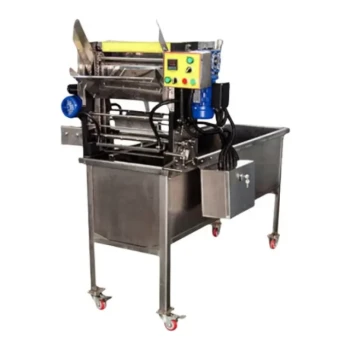
- Automatic Honey Frame Uncapper Machine for Beekeeping
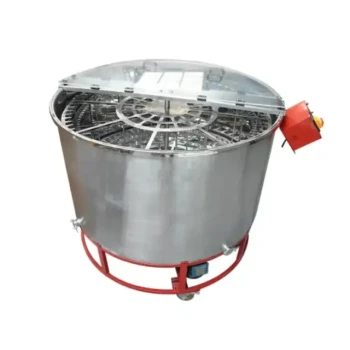
- HONESTBEE 72 Frame Industrial Electric Honey Extractor for Beekeeping
- 32 Frame Commercial Electric Honey Extractor for Beekeeping and Honey Production
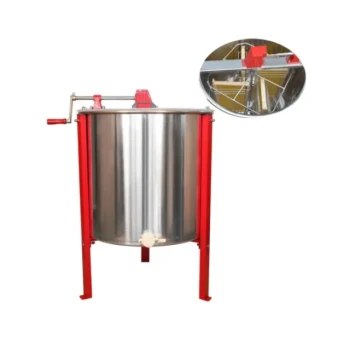
- HONESTBEE 4 Frame Manual Self Reversing Honey Extractor for Beekeeping
- HONESTBEE 6 Frame Three Use Electric Honey Extractor for Beekeeping
People Also Ask
- What is the primary goal when choosing an uncapping method? Maximize Honey Yield & Comb Integrity
- What is the process of uncapping frames in beekeeping? Master the Best Methods for Maximum Honey Yield
- How are honey frames prepared before extraction? Master the Hive-to-Honey-House Process
- What is the process of uncapping honey frames before extraction? Expert Guide to Efficient Honey Harvesting
- What specialized tools are used to uncap honey frames prior to extraction? Top Uncapping Tools for Efficient Harvesting