The technical principle relies on the chemical process of saponification and extreme alkalinity. Using a sodium hydroxide (caustic soda) solution functions as a deep chemical disinfectant that chemically converts water-insoluble substances like beeswax and propolis into soluble soaps, allowing them to be washed away. Simultaneously, the caustic nature of the solution creates a high-pH environment that neutralizes biological threats.
Core Takeaway Sodium hydroxide cleans by chemically dissolving physical barriers (wax and propolis) through saponification while acting as a biocide against resistant pathogens. This dual action ensures equipment is not only visually stripped of debris but also biologically sterilized for safe reuse.
The Mechanics of Chemical Disinfection
Saponification of Organic Matter
The primary mechanism at work is saponification. Sodium hydroxide is a strong alkali that reacts chemically with the fatty acids found in beeswax and the resins in propolis.
This reaction transforms these typically stubborn, water-insoluble organic materials into a soapy, soluble substance. This allows old wax and propolis to be dissolved and rinsed away rather than just scraped off.
Eliminating Physical Carriers
Pathogens often survive maintenance cycles by hiding within layers of organic debris. Old wax and propolis serve as "physical carriers" that shield bacteria and spores from standard cleaning agents.
By chemically stripping these materials down to the base surface, the sodium hydroxide solution removes the protective bunkers where pathogens harbor. This exposes the equipment fully, ensuring no contaminated pockets remain.
The High-pH Lethality
Beyond physical cleaning, the solution functions as a potent antimicrobial agent. The high-pH environment created by the strong alkali is hostile to most forms of life.
This chemical environment effectively kills fungal spores and resistant bacteria. It provides a level of sterilization that mechanical scraping or mild detergents cannot achieve.
Understanding the Trade-offs
Chemical Aggressiveness
This process is defined as "deep chemical disinfection," which implies a harsh reaction. The same properties that strip wax can be hazardous to the user if proper safety protocols are not followed.
Material Impact
The "thorough stripping action" is non-selective regarding organic matter. It will remove beneficial coatings alongside contaminants, meaning equipment is returned to a raw state that may require subsequent treatment (such as repainting or oiling external wooden parts) after drying.
Applying This to Your Maintenance Protocol
Because sodium hydroxide creates such a reactive environment, you must determine if this level of intervention is required for your specific equipment.
- If your primary focus is Disease Control: Rely on this method for equipment from dead-outs or suspected disease cases, as the high-pH environment is essential for killing resistant spores.
- If your primary focus is Routine Cleaning: Use this method when you need to restore heavily propolized frames or boxes to a "like-new" state by dissolving heavy buildup that scraping cannot remove.
By leveraging the saponifying power of strong alkalis, you ensure your apiary hygiene meets the highest sanitary standards.
Summary Table:
| Mechanism | Action Process | Key Benefit |
|---|---|---|
| Saponification | Converts fats/resins into soluble soap | Dissolves stubborn beeswax and propolis |
| Physical Stripping | Removes organic protective layers | Eliminates "bunkers" where bacteria hide |
| High-pH Lethality | Creates extreme alkaline environment | Kills fungal spores and resistant bacteria |
| Deep Disinfection | Chemical reaction at the base surface | Achieves biological sterilization for reuse |
Elevate Your Apiary Hygiene Standards with HONESTBEE
Maintaining a disease-free operation is critical for commercial success. At HONESTBEE, we empower commercial apiaries and distributors by providing the industry's most reliable beekeeping tools, specialized machinery, and essential consumables. Whether you are looking for high-efficiency hive-making machines or honey-filling equipment, our comprehensive wholesale portfolio is designed to enhance your productivity and sanitary standards.
Ready to scale your beekeeping business? Our experts are here to help you select the right hardware and cultural merchandise to grow your brand. Contact us today to discuss your wholesale needs!
References
- Verónica R. Olate-Olave, Marnix Doorn. Bee Health and Productivity in Apis mellifera, a Consequence of Multiple Factors. DOI: 10.3390/vetsci8050076
This article is also based on technical information from HonestBee Knowledge Base .
Related Products
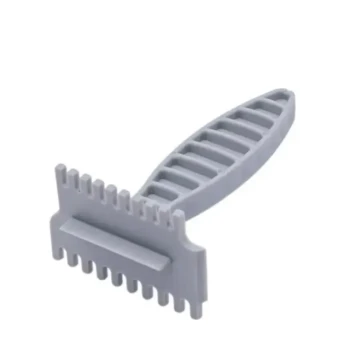
- Lightweight Durable Plastic Queen Excluder Scraper for Beekeeping
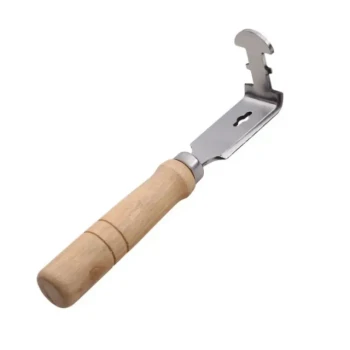
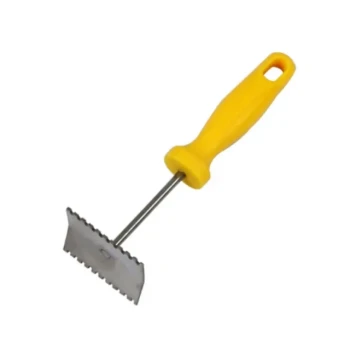
- Precision Stainless Steel Frame Cleaner for Hive Grooves and Corners
- High Performance Cordless Electric Bee Shaker for Beekeeping
- Adjustable Formic and Acetic Acid Dispenser for Bee Mite Treatment
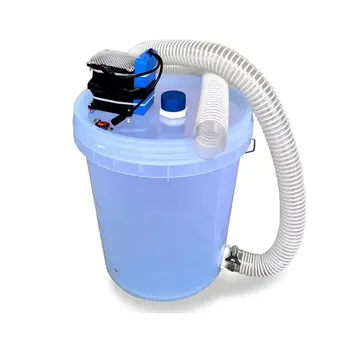
- Portable Electric Bee Vacuum with Lithium Battery and 20L Collection Bucket
People Also Ask
- Why are standardized hive frames and queen excluders essential for maintaining honey purity and quality? Scale Your Purity
- What types of queen excluders are available for beekeepers? Choose the Right Tool for Your Hive
- What are the benefits of using a queen excluder for monitoring and managing the queen bee? Master Hive Control Today!
- What is the purpose of removing queen excluders during the queen bee installation? Maximize Colony Growth Today
- What is a queen excluder in beekeeping? A Guide to Hive Management & Honey Production