Colony resilience is the primary deterrent against invasion. High colony strength and abundant feed supplies are critical because they directly enhance a hive's defensive awareness and organizational density. Without these resources, a colony lacks the population numbers and biological vigor required to repel aggressive usurpation attempts by Africanized honey bees.
A well-fed, highly populated colony establishes a formidable defensive barrier that inhibits the behavioral mechanisms of takeover. Weakness signals vulnerability, making the hive a prime target for invasion by Africanized swarms.
The Mechanics of Defensive Integrity
Achieving Organizational Density
The primary defense against usurpation is a large, dense population. A colony with high organizational density creates a physical and social barrier that foreign swarms find difficult to penetrate.
This density inhibits the specific behaviors Africanized bees use to infiltrate a hive. When a colony is populous, the sheer number of defenders disrupts the invader's ability to coordinate a takeover.
Heightening Defensive Awareness
Physical numbers must be matched by alertness. High-quality feed and effective pest control directly enhance the defensive awareness of the colony.
Well-nourished bees possess the energy reserves required to patrol the hive and react swiftly to intruders. This heightened state of readiness is essential for identifying and repelling scouts from usurping swarms.
The Dynamics of Vulnerability
Why Weak Colonies Are Targeted
In the context of usurpation, weakness is a signal. Africanized swarms are opportunistic; they specifically target colonies that are struggling or underpopulated.
A weak colony lacks the manpower to guard its entrance effectively. This susceptibility allows invaders to enter, kill the existing queen, and establish their own genetic dominance.
The Role of Inputs
External inputs are not merely for sustenance; they are strategic defense tools. The use of high-quality feed and pest control consumables ensures the colony remains in a "strong, healthy state."
Neglecting these inputs leads to a decline in health and population. This decline lowers the colony's defenses, effectively inviting a takeover event.
Understanding the Trade-offs
Investment vs. Risk
maintaining high colony strength requires a continuous investment in resources. Beekeepers must consistently provide quality feed and pest control, which increases operational costs and labor.
However, the trade-off is the security of your genetic stock. Skimping on these inputs to save money increases the probability of usurpation, which results in the total loss of the European colony's identity.
Vigilance vs. Complacency
Reliance on colony strength requires constant monitoring. A colony that was strong last month may face a sudden population dip due to environmental factors.
There is no "set it and forget it" solution. Preventing usurpation requires an active commitment to maintaining population levels, as even a temporary window of weakness can be exploited.
Making the Right Choice for Your Apiary
Prioritizing colony health is a strategic decision that safeguards your apiary against genetic displacement.
- If your primary focus is genetic preservation: Invest heavily in supplemental feeding and rigorous pest control to maintain maximum organizational density at all times.
- If your primary focus is resource management: Monitor colony strength metrics closely to ensure populations never drop below the threshold required for effective defense.
Ultimately, a strong, well-fed colony is your only reliable biological shield against the displacement of your European honey bees.
Summary Table:
| Key Factor | Impact on Defense | Required Resources |
|---|---|---|
| Organizational Density | Creates physical/social barriers to disrupt invader coordination. | High worker population |
| Defensive Awareness | Heightens alertness and response speed against scouts. | Quality nutrition & energy |
| High-Quality Feed | Sustains biological vigor and patrolling energy. | Protein and carbohydrate supplements |
| Pest Control | Prevents population dips and keeps colony health high. | Essential apiary consumables |
Secure Your Apiary’s Future with HONESTBEE
Protecting your European honey bee genetics requires more than just vigilance—it demands a strategic supply of high-performance tools and nutrients. At HONESTBEE, we specialize in supporting commercial apiaries and distributors with the comprehensive wholesale solutions needed to maintain peak colony strength.
From high-quality beekeeping tools and advanced machinery to essential industry consumables like pest control and supplemental feed, our portfolio ensures your hives remain impenetrable to usurpation. Whether you need specialized hive-making equipment or honey-filling machines to scale your operations, we provide the hardware and support to keep your business resilient.
Ready to fortify your operations? Contact HONESTBEE today to discover how our wholesale offerings can enhance your apiary's productivity and security.
References
- Michael K. O’Malley, Jerry W. Hayes. Explaining the Best Management Practices for Maintaining European Honey Bee Colonies. DOI: 10.32473/edis-in874-2010
This article is also based on technical information from HonestBee Knowledge Base .
Related Products
- High-Performance Langstroth Bee Hives for Global Professional Beekeeping
- Langstroth Honey Bee Box Hive Boxes for Different Depths
- Honey Bee Lifecycle Model: A Detailed Honeycomb Display of Bee Development
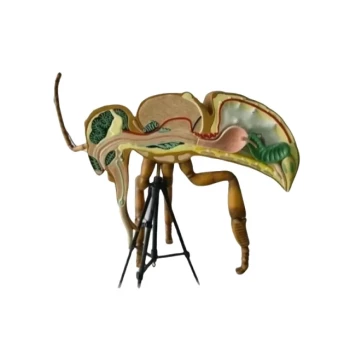
- HONESTBEE Anatomy Bee Model Detailed Anatomical Display for Education and Study
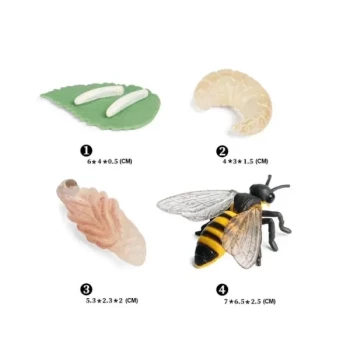
- Honey Bee Life Cycle Model 4 Stage Educational Set for Kids Learning
People Also Ask
- Why is the adoption of modern movable-frame hives, such as Langstroth hives, advantageous over traditional hive equipment for commercial apiaries? Key Benefits for Scalable Beekeeping
- What are the structural and yield differences between traditional primitive beehives and modern standard wooden hives (such as Langstroth hives) for commercial honey producers? Discover why modern hives boost yield and efficiency.
- How does transitioning to modern hives boost honey yield? Increase production and product quality for your commercial apiary
- How do Langstroth and Dadant standard beehives compare regarding brood chamber management and component compatibility? Find the Perfect Fit for Your Apiary
- What is the primary function of using standard Langstroth hives for bee performance evaluation? Eliminate Variables