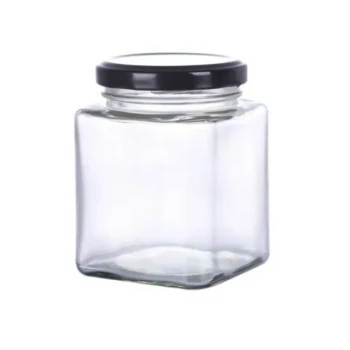
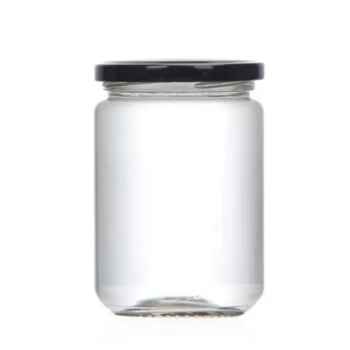
Light-shielding glass containers and low-temperature freezing equipment are non-negotiable requirements for preserving the structural integrity of royal jelly. Because this substance consists of highly active proteins and lipid components that are volatile when exposed to environmental stressors, these specific storage methods are necessary to block ultraviolet-induced oxidation, inhibit microbial growth, and maintain the product's antibacterial potency.
Royal jelly is a biologically active substance that is inherently unstable outside of the hive. Effective storage is not merely about containment; it is about chemically arresting the product to prevent the degradation of its delicate molecular structure.
The Biological Vulnerability of Royal Jelly
To understand the necessity of specialized equipment, one must first understand the volatility of the material itself. Royal jelly is not a static compound; it is a complex mixture of lipids and proteins that reacts aggressively to its environment.
Sensitivity to Oxidation
The lipid components in royal jelly are highly susceptible to oxidation. When exposed to light—specifically ultraviolet (UV) rays—these lipids undergo rapid chemical changes that degrade the quality of the jelly.
Protein Instability
The active proteins within royal jelly provide its nutritional and functional value. These proteins denature and lose efficacy when subjected to thermal fluctuations, rendering the product biologically inert if not properly managed.
The Role of Light-Shielding Glass Containers
Standard storage vessels are insufficient for royal jelly due to its photosensitivity. Light-shielding glass is a specific engineering choice designed to act as a barrier against radiative energy.
Blocking Ultraviolet Radiation
The primary function of light-shielding glass is to filter out UV rays. By blocking this radiation, the container prevents the photo-oxidation reactions that decompose the jelly’s active ingredients.
Protecting Against Air Exposure
While light is a major threat, oxygen is equally destructive. Using standardized, small-capacity glass containers reduces the surface area exposed to air, further lowering the risk of oxidation and spoilage.
The Necessity of Low-Temperature Freezing
Temperature control is the second pillar of royal jelly management. Industrial-grade freezing equipment is required to create a "negative temperature" environment, which is far more effective than standard refrigeration.
Inhibiting Microbial Growth
Royal jelly is nutrient-rich, making it a potential breeding ground for bacteria. Deep freezing inhibits microbial activity completely, ensuring the product remains safe for consumption and chemical analysis.
Preserving Antibacterial Potency
One of the most valued characteristics of royal jelly is its inherent antibacterial potency. Stable, low-temperature environments prevent the chemical breakdown that would otherwise weaken this functional property.
Extending Shelf Life
By maintaining a consistent ultra-low temperature (often around -18°C), enzymatic reactions are suppressed. This extends the physicochemical stability of the jelly, allowing for longer storage periods without quality loss.
Common Pitfalls to Avoid
Even with the right equipment, storage management can fail if the underlying principles are ignored. Understanding these risks is essential for maintaining product integrity.
The Maillard Reaction Risk
If storage temperatures rise even moderately (above 8°C), Maillard reactions can occur between amino acids and carbohydrates. This chemical process alters the molecular fingerprint of the jelly and produces unwanted metabolic byproducts.
Viscosity Changes
Inadequate cooling (above 5°C) can lead to an increase in viscosity. This physical change often indicates the decomposition of chemical components and a loss of biological activity.
The Danger of Temperature Fluctuations
Consistency is as important as the absolute temperature. Industrial-grade equipment is necessary because it prevents fluctuations; strictly maintaining the "cold chain" ensures the metabolic state of the jelly remains locked from harvest to delivery.
Making the Right Choice for Your Goal
Selecting the correct storage protocol depends on whether you are managing the product for immediate analysis or long-term commercial distribution.
- If your primary focus is Long-Term Preservation: Prioritize deep freezing at -18°C in dark glass to completely arrest enzymatic activity and preserve 10-HDA content.
- If your primary focus is Short-Term Analysis: Ensure samples are kept at a constant 4°C to 5°C to prevent viscosity changes while allowing for immediate handling.
Complete environmental control is the only way to guarantee that the royal jelly arriving at the destination possesses the same biological power as the moment it was harvested.
Summary Table:
| Storage Factor | Equipment Required | Protective Function |
|---|---|---|
| UV Exposure | Light-shielding glass | Blocks photo-oxidation and prevents chemical decomposition. |
| Temperature | Low-temperature freezer (-18°C) | Arrests enzymatic activity and prevents the Maillard reaction. |
| Microbial Risk | Industrial-grade cooling | Inhibits bacterial growth and preserves antibacterial potency. |
| Air Exposure | Small-capacity containers | Minimizes surface area to reduce oxidative spoilage. |
Secure Your Harvest Quality with HONESTBEE
Preserving the biological potency of royal jelly requires more than just standard cooling—it demands professional-grade precision. As a dedicated partner to commercial apiaries and global distributors, HONESTBEE provides the comprehensive wholesale solutions you need to maintain a flawless cold chain.
From specialized storage containers to advanced honey-processing machinery and essential industry consumables, we supply everything necessary to protect your high-value products. Whether you are scaling up your production or optimizing your distribution network, our portfolio of beekeeping tools and hardware is designed for professional performance.
Ready to upgrade your apiary’s efficiency? Contact HONESTBEE Today to explore our full spectrum of wholesale beekeeping equipment!
References
- Ratna Iffany Faradilla Besari, Mochammad Junus. Royal Jelly (Apis mellifera) As an Antimicrobial Activity Inhibition. DOI: 10.47191/ijcsrr/v6-i6-49
This article is also based on technical information from HonestBee Knowledge Base .
Related Products
- No Grafting Queen Rearing Kit: System for Royal Jelly Production and Queen Rearing
- Plastic Chinese Queen Grafting Tool for Bee Queen Rearing
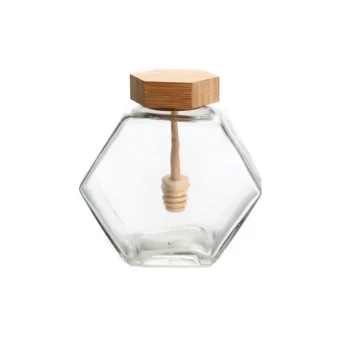
- Hexagonal Glass Honey Jar with Wooden Lid Integrated Dipper Elegant Functional Storage
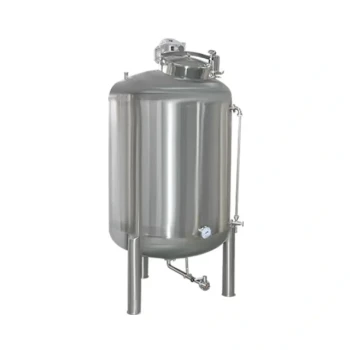
- Professional Honey Storage Tank with Agitation System
- Stainless Steel Honey Storage and Settling Tank with Double Strainer
People Also Ask
- What is the primary function of a queen rearing kit? Eliminate Manual Grafting for Superior Bee Breeding
- How do specialized queen rearing kits and queen management tools improve the success rate of bee colony expansion?
- What are some alternative methods to grafting for queen cell production? Discover Graft-Free Queen Rearing Systems
- Are queen rearing systems generally suitable for all honeybee species? Master Efficient Breeding Methods
- Are queen rearing systems suitable for all beekeepers? Modern Tools for Every Experience Level