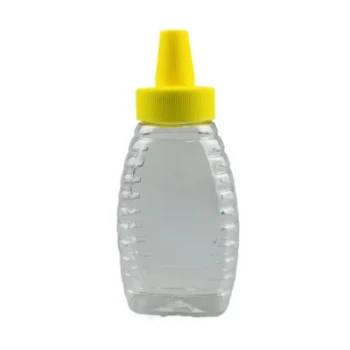
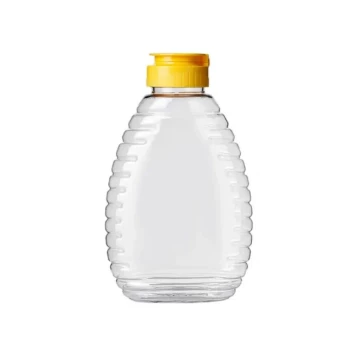
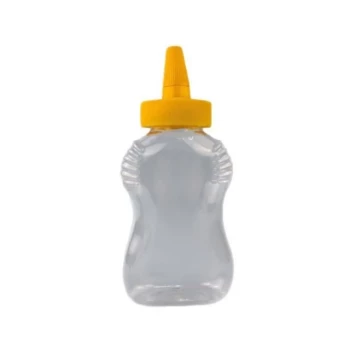
Polyethylene bottles are the preferred standard for honey sampling primarily due to their exceptional chemical stability and superior sealing capabilities. These containers act as a neutral barrier, preventing the migration of container materials into the honey while simultaneously blocking external air and moisture to preserve the sample's original composition for analysis.
By combining chemical inertness with a hermetic seal, polyethylene bottles ensure that the honey analyzed in the laboratory remains physically and chemically identical to the honey collected at the source.
Preserving Chemical Integrity
Unwavering Chemical Inertness
Honey contains complex organic compounds, including phenolic acids and active enzymes. Polyethylene is chosen because it is chemically inert, meaning it will not react with these sensitive acidic or active components. This prevents the packaging material from altering the chemical profile of the sample prior to testing.
Preventing Material Migration
A critical requirement for accurate analysis is ensuring the container itself does not contaminate the sample. Polyethylene bottles prevent the migration of plastic components into the honey. This guarantees that any substances detected during analysis are native to the honey and not artifacts from the bottle.
Controlling the Physical Environment
The Moisture Barrier
Honey is highly hygroscopic, meaning it naturally absorbs moisture from the surrounding air. Polyethylene bottles provide a tight, moisture-proof seal that prevents water absorption. If moisture levels rise, honey can ferment or spoil, rendering the sample useless for accurate physicochemical analysis.
Preventing Oxidation and Volatile Loss
The sealing properties of polyethylene effectively block external air entry. This prevents oxidation which could degrade sample quality. Furthermore, it retains the honey's volatile aromatic compounds, ensuring the sample reflects the true sensory state of the production site.
Ensuring Biological Accuracy
Facilitating Sterile Collection
For analyzing antibacterial activity, it is vital to eliminate outside biological interference. Sterilized polyethylene bottles are used to prevent the introduction of exogenous microorganisms. This ensures that any biological activity observed in the lab is inherent to the honey, not the result of contamination during collection.
Long-Term Storage Stability
When properly sterilized and sealed, polyethylene containers inhibit the growth of osmophilic yeasts. This prevents fermentation and spoilage, allowing samples to remain stable and viable for analysis for extended periods, typically ranging from 18 to 22 months.
Understanding the Trade-offs
Plastic vs. Glass for Trace Metals
While polyethylene is preferred for general physicochemical and antibacterial analysis, it is not the universal solution for every specific test. Some protocols suggest that plastic packaging may introduce trace metal contamination.
When Glass is Superior
If the primary goal of the research is to analyze the original mineral profile or trace elements of the honey, clean glass bottles may be a more suitable choice. Glass eliminates the risk of plastic-derived trace metal interference, ensuring the purity of elemental data.
Making the Right Choice for Your Goal
To select the correct sampling container, you must align the material with your specific analytical objectives.
- If your primary focus is General Quality & Antibacterial Analysis: Choose sterilized polyethylene bottles to ensure chemical stability, prevent moisture absorption, and exclude microbial contamination.
- If your primary focus is Trace Mineral Profiling: Choose clean glass bottles to avoid potential trace metal leaching that can occur with plastic materials.
By matching the container's properties to the specific sensitivity of your analysis, you guarantee the scientific validity of your data.
Summary Table:
| Feature | Polyethylene Bottles (PE) | Glass Bottles |
|---|---|---|
| Chemical Stability | High (Inert to acids/enzymes) | High (Neutral) |
| Sealing Capability | Superior (Hermetic) | Moderate to High |
| Moisture Protection | Excellent (Prevents fermentation) | Excellent |
| Trace Metal Risk | Potential for minor migration | None (Best for mineral profiling) |
| Best Used For | General Quality & Antibacterial tests | Trace Element & Mineral analysis |
| Storage Life | 18–22 months (Stable) | Long-term (Stable) |
Elevate Your Honey Quality Standards with HONESTBEE
At HONESTBEE, we understand that precision starts at the source. Whether you are a commercial apiary or a global distributor, maintaining the integrity of your honey is paramount. We provide a comprehensive range of professional beekeeping tools, specialized honey-filling machinery, and high-quality consumables designed to preserve the purity of your harvest from the hive to the laboratory.
Partner with HONESTBEE to access:
- Industrial-Grade Equipment: From hive-making to advanced honey-processing machinery.
- Wholesale Solutions: A full spectrum of beekeeping hardware and essential industry consumables.
- Expert Support: Tailored products that cater to the unique needs of large-scale honey producers.
Ensure your honey meets the highest global standards. Contact our team today to discuss how our wholesale offerings can optimize your production and sampling workflows!
References
- Mekuanint Lewoyehu, Meareg Amare. Comparative Assessment on Selected Physicochemical Parameters and Antioxidant and Antimicrobial Activities of Honey Samples from Selected Districts of the Amhara and Tigray Regions, Ethiopia. DOI: 10.1155/2019/4101695
This article is also based on technical information from HonestBee Knowledge Base .
Related Products
- Professional Plastic Honey Dipper for Easy Honey Drizzling
- 3.5L Plastic Beehive Frame Feeder Deep Frame Water Feeder for In Hive Use
- Food Grade Plastic Honey Bucket Pail for Beekeeping
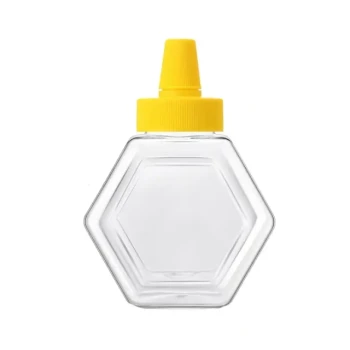
- Hexagonal Squeeze Honey Bottle with No Drip Lid
- Semi Automatic Round Bottle Labeling Machine
People Also Ask
- What is the proper method for cleaning a honey dipper? Maintain Pure Flavor with These Easy Pro Tips
- What is a honey dipper and what is it used for? A Guide to Mess-Free Drizzling
- What is a honey taking spoon called? Discover the Tool for a Perfect, Mess-Free Drizzle
- What is a honey dipper? Master the Art of the Perfect Drizzle with This Essential Tool
- How do you clean and store a honey dipper? Simple Steps for Long-Lasting Performance