Standardized movable frames provide the adaptability required to navigate unpredictable weather patterns. By allowing for non-destructive extraction, this system enables beekeepers to dynamically adjust harvest volumes: maximizing intake during resource-rich wet seasons while preserving essential stores to ensure colony survival during droughts.
The Core Insight In unstable climates, the primary risk to production is rigidity. Movable frames decouple honey harvesting from comb destruction, allowing the hive to conserve energy for production and giving the beekeeper precise control to expand or contract the hive in response to environmental stress.
The Mechanism of Climate Adaptability
To understand why movable frames are critical in unstable environments, one must look beyond simple convenience. The value lies in resource conservation and volume management.
Responsive Volume Control
The primary reference highlights that standardized frames allow for precise regulation of the hive's size. In environments where weather fluctuates wildly, this flexibility is vital.
During High-Rainfall Periods When rain is abundant, flora flourishes, leading to sudden nectar flows. Beekeepers can immediately maximize yield by adding "honey supers" (additional boxes with empty frames) to capture this surplus without disturbing the brood.
During Drought Conditions Conversely, during dry spells, resources are scarce. The movable system allows you to protect the core colony area. You can refrain from harvesting or reduce the hive volume, ensuring the bees retain enough stores to survive and maintain continuous production capacity for when the weather turns.
Energy Redirection
In traditional fixed-comb hives, harvesting honey requires cutting out and crushing the wax comb. This forces bees to rebuild the entire structure from scratch.
Preserving Vital Energy Movable frames allow for centrifugal extraction, where honey is spun out, and the intact comb is returned to the hive.
From Construction to Production Bees consume significant amounts of honey and nectar to secrete wax. By reusing combs, bees redirect that energy toward collecting pollen and producing honey. In an unstable climate where "flow" days may be limited, this efficiency significantly increases annual yield.
Structural Stability and Health
Beyond yield management, standardized frames provide the physical infrastructure necessary to protect the colony against environmental extremes.
Thermal Insulation and Protection
High-quality, standardized hive hardware is manufactured with precision to offer superior thermal insulation.
Buffering Extremes This insulation is critical for protecting the colony from extreme cold or rapid temperature shifts common in unstable climates. A stable internal temperature ensures a consistent breeding environment, which is a prerequisite for high-yield production.
Operational Efficiency and Monitoring
Unstable climates require frequent intervention. You cannot simply "set and forget" a hive when the weather is unpredictable.
Non-Destructive Inspection Standardized frames allow you to remove and inspect individual combs to check for disease or food shortages without destroying the hive structure. This capability is essential for timely interventions, such as artificial feeding or pest control, before a colony collapses due to environmental stress.
Understanding the Trade-offs
While standardized movable frames offer superior control, they introduce specific operational requirements that must be managed.
Reliance on Precision Hardware
Unlike traditional hives that can be built from rough materials, this system relies on high-standard hive-making machinery. The frames must fit precisely to function; otherwise, bees will fuse them together with propolis or burr comb, negating the "movable" advantage.
Management Complexity
The ability to manipulate the hive requires a higher level of active management. Because you can intervene, you must monitor the weather and hive status closely to know when to add supers or when to consolidate the hive for drought protection.
Making the Right Choice for Your Goal
The implementation of standardized movable frames should be driven by your specific production objectives in relation to your local climate risks.
- If your primary focus is maximizing yield during short windows of favorable weather: Prioritize the use of pre-drawn combs (reused frames) to eliminate the lag time of wax construction, allowing bees to store nectar immediately.
- If your primary focus is colony survival during prolonged droughts: Utilize the movable frames to condense the colony into a smaller space, reducing the area they must defend and heat, while leaving honey stores strictly for their consumption.
Ultimately, the movable frame transforms beekeeping from a passive reliance on nature into an active, managed response to environmental instability.
Summary Table:
| Feature | Advantage in Unstable Climates | Impact on Production |
|---|---|---|
| Non-Destructive Extraction | Reuses intact wax combs | Bees redirect energy from wax building to honey collection |
| Responsive Volume Control | Add/remove supers based on nectar flow | Maximizes yield during wet seasons; ensures survival during drought |
| Non-Destructive Inspection | Rapid check for disease/food stores | Allows for timely intervention before environmental colony collapse |
| Standardized Precision | Improved thermal insulation | Protects brood from extreme temperature fluctuations |
Scale Your Apiary Operations with HONESTBEE
Navigating unpredictable climates requires precision tools that maximize efficiency and protect your investment. HONESTBEE specializes in supporting commercial apiaries and distributors with premium, standardized beekeeping solutions. From high-standard hive-making and honey-filling machinery to durable movable frames and essential consumables, we provide the hardware you need to transform environmental challenges into high-yield opportunities.
Ready to elevate your production standards?
Contact HONESTBEE today to explore our wholesale equipment catalog
References
- Antonin Adam, Geneviève Michon. L’apiculture, entre naturalisme et productivisme ?. DOI: 10.4000/etudesrurales.23512
This article is also based on technical information from HonestBee Knowledge Base .
Related Products
- Durable Plastic Frame Spacer
- Assembled Wooden Bee Frames with Plastic Foundation for Durability and Convenience by HONESTBEE
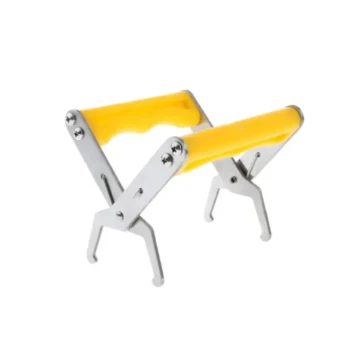
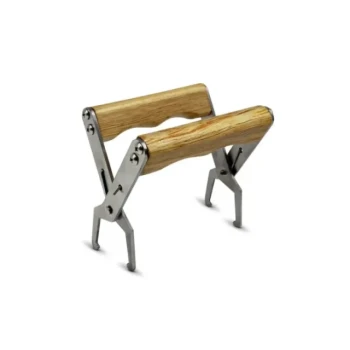
- Durable Galvanized Steel Frame Grip
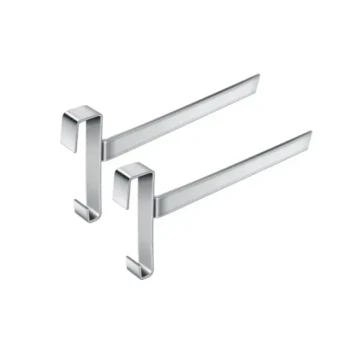
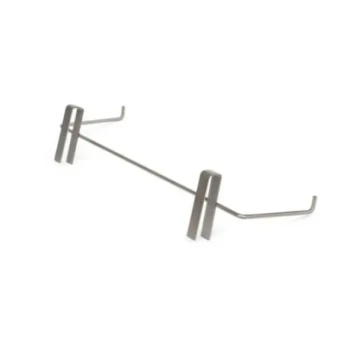
- Professional Galvanized Steel Frame Rest for Beehives
- Assembled Wooden Bee Frames with Beeswax Foundation Ready to Use by HONESTBEE
People Also Ask
- Are plastic bee hive frames good? A Guide to Modern Durability vs. Natural Appeal
- Are plastic bee frames good? A Guide to Durability, Efficiency & Bee Acceptance
- What are the advantages of using Standard Langstroth 10-frame equipment? Scale Your Commercial Apiary Efficiency
- How do you clean plastic frames? A Gentle Guide to Preserving Your Frames
- How must plastic frames be prepared for bees? Expert Tips for 100% Acceptance & Success