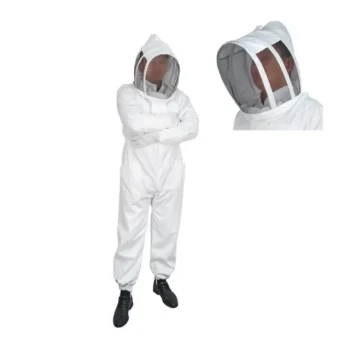
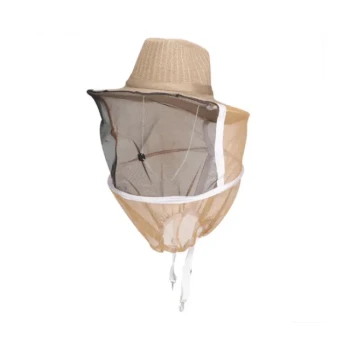
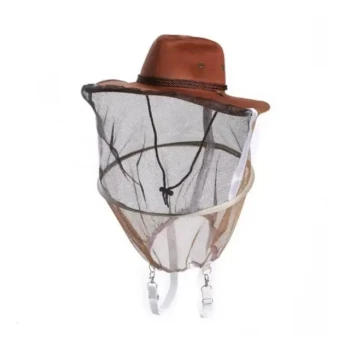
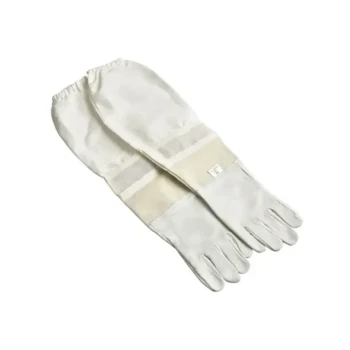
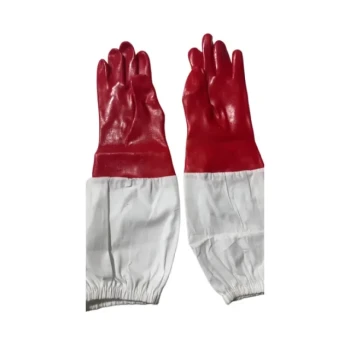
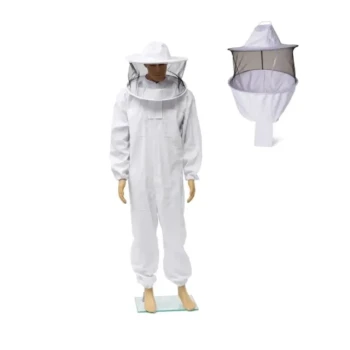
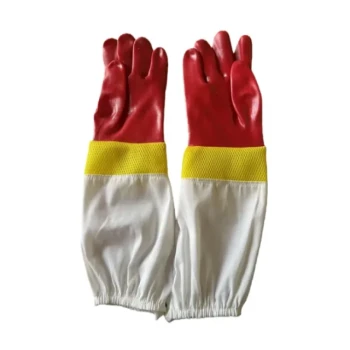
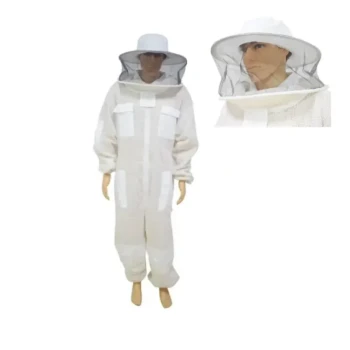
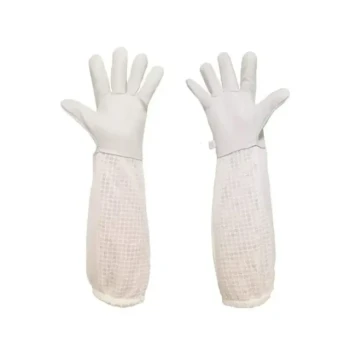
Beekeeping protective clothing is almost exclusively white or light-colored to serve two critical functions: temperature regulation and predator camouflage. Light fabrics reflect the sun's radiation, keeping the beekeeper cool during hot summer inspections. Simultaneously, white gear neutralizes the bees' defensive instincts, as they are evolutionarily hardwired to perceive dark objects as threats.
White gear serves a dual purpose: physiological protection for the beekeeper against heatstroke and visual camouflage against the colony. By avoiding dark colors, you prevent the bees from identifying you as a natural predator.
The Biological Trigger: Why Color Matters
The primary reason for white gear lies in the evolutionary history of the honey bee. To stay safe, you must understand how bees interpret what they see.
Mimicking Natural Predators
Bees have evolved to defend their hives against mammals that steal honey and brood. In the wild, these enemies—such as bears, badgers, and skunks—typically have dark fur.
The Defensive Response
When a bee sees a large, dark object moving near the hive, their instinct identifies it as a predator. This triggers an immediate defensive response, increasing the likelihood of stinging behavior.
Visual Targeting
Bees are visual hunters when defending the hive. They are naturally drawn to attack the darkest areas they can perceive.
Wearing white effectively "hides" you from this specific threat detection system. It allows you to work the hive without triggering the colony's alarm bells.
Thermal Regulation and Safety
Beyond bee behavior, the physical safety of the beekeeper is a major factor in gear design.
Managing Solar Heat
Beekeeping is a seasonal activity that peaks during the hottest months of the year. Hive inspections often require standing in direct sunlight for extended periods.
The Physics of Reflection
White and light colors reflect sunlight, preventing the fabric from absorbing solar radiation. Dark colors absorb this heat, which would rapidly raise the temperature inside the suit.
Preventing Heat Exhaustion
Protective suits are often thick or multi-layered to prevent stings. This insulation traps body heat. If the exterior fabric also absorbed the sun's heat, the risk of heatstroke or exhaustion would increase significantly.
Understanding the Trade-offs
While white is the industry standard for valid technical reasons, it is not without minor drawbacks that you should recognize.
The Cleanliness Factor
White fabric shows every stain. Propolis (bee glue), grass stains, and hive debris will quickly soil a pristine suit.
Visibility Issues
While not a safety risk, the glare from bright white fabric in intense sun can sometimes be visually fatiguing for the beekeeper.
Color is Not a Guarantee
Wearing white minimizes defensive behavior, but it does not make you invisible. Rapid movement, carbon dioxide (breath), and strong odors will still provoke a defensive reaction regardless of your clothing color.
Making the Right Choice for Your Goal
When selecting your protective equipment, keep these principles in mind to balance safety and comfort.
- If your primary focus is keeping the colony calm: Ensure you cover dark accessories; avoid black watches, dark socks, or dark camera equipment, as bees will target these specific spots.
- If your primary focus is personal stamina: Choose a fully white, ventilated suit to maximize heat reflection and airflow during mid-summer inspections.
By aligning your gear with the bees' instincts and the physical demands of the environment, you ensure a safer and more sustainable practice.
Summary Table:
| Feature | Purpose of Light Colors | Benefit to Beekeeper |
|---|---|---|
| Predator Camouflage | Neutralizes instincts by avoiding dark, bear-like colors | Minimizes stings and keeps the colony calm |
| Thermal Regulation | Reflects solar radiation and prevents heat absorption | Prevents heatstroke during summer inspections |
| Visual Impact | Reduces targeting of the moving object by guard bees | Enhances safety during high-activity hive checks |
| Material Design | Often paired with ventilation for airflow | Increases stamina and comfort during long workdays |
Elevate Your Apiary with Professional-Grade Gear
At HONESTBEE, we understand that the right equipment is the foundation of a successful beekeeping operation. We provide commercial apiaries and distributors with a comprehensive range of premium white protective clothing, high-efficiency machinery, and essential consumables designed for safety and durability.
From hive-making and honey-filling machines to our specialized hardware and honey-themed cultural merchandise, we offer a full-spectrum wholesale solution to grow your business. Contact us today to discuss your bulk equipment needs and discover how our expertise can streamline your beekeeping operations.
Related Products
- White Cotton Beekeeping Jacket and Veil for Bee Keepers
- Premium Cotton Beekeeper Suit with Reinforced Fencing Veil
- Beekeeping Jacket with Hood and Veil for Beekeepers
- Beekeeper Cowboy Hat and Veil for Beekeeping
- Premium Cowboy Beekeeper Hat with Visibility Veil Outdoor Professional Beekeeping Protective Gear
People Also Ask
- What are the features of an economical beekeeping jacket? Essential Protection for Budget-Conscious Beekeepers
- What are the pros of using a beekeeping jacket? Unlock Superior Comfort and Mobility for Your Apiary
- What factors should a new beekeeper consider when choosing between a jacket and a full suit? Security vs. Comfort
- What are the advantages of a beekeeping jacket? Superior Mobility & Comfort for Routine Hive Inspections
- When is a beekeeping jacket considered a more suitable choice than a full suit? Optimize Your Apiary Mobility