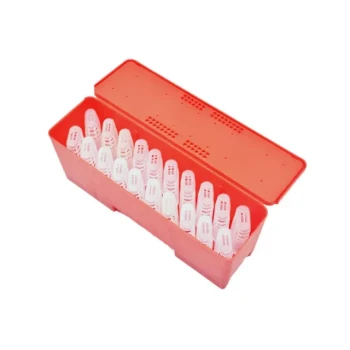
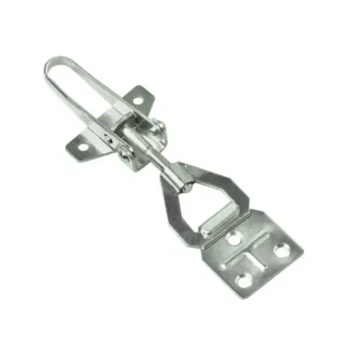
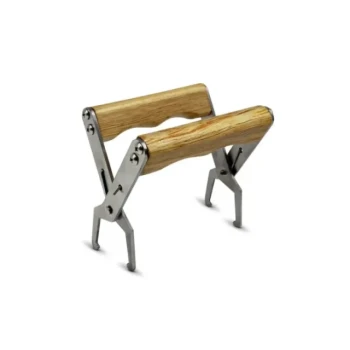
Specialized transport equipment is the operational backbone of migratory beekeeping, fundamentally ensuring the rapid and safe transfer of hives between diverse floral regions. By providing robust mechanical support and optimizing ventilation, these specialized tools significantly reduce bee stress and mortality rates during transit. This protection ensures colonies arrive with high foraging capacity, directly resulting in increased honey yields per colony.
While standard cargo methods treat hives as static boxes, specialized beekeeping transport treats them as living ecosystems. It transforms relocation from a high-risk event into a controlled process, preserving the colony's energy for immediate nectar collection upon arrival.
The Biological Necessity of Specialized Transport
Controlling Ventilation and Temperature
The primary risk during transit is the overheating and suffocation of the colony. Specialized equipment features optimized ventilation structures designed specifically for hive physiology.
By maintaining airflow, these devices prevent the buildup of metabolic heat generated by stressed bees. This is critical for keeping mortality rates low during long-distance travel.
Minimizing Physical Stress
Road transport subjects hives to vibration and shock, which can damage comb structures and agitate the colony. Specialized transport equipment provides robust mechanical support and stability.
This shock resistance minimizes physical trauma to the bees. A calm, undamaged colony is essential for maintaining breeding efficiency and overall health after the stress of relocation.
Preserving Foraging Capacity
The ultimate goal of migratory beekeeping is productivity. High-performance transport ensures that bees are not merely surviving the trip, but are ready to forage immediately.
By reducing travel fatigue, colonies can instantly exploit new nectar sources. This capability is the deciding factor in maximizing honey yield per colony.
The Economic and Operational Advantages
Leveraging Plant Phenology
Migratory beekeeping relies on "chasing the bloom," moving colonies to follow seasonal flowering cycles. Specialized equipment facilitates this by enabling flexible movement across geographical zones.
This mobility overcomes the limitations of a single local flowering period. Beekeepers can utilize variations in plant phenology—such as moving from Rosemary to Eucalyptus blooms—to extend the collection season significantly.
Avoiding Resource Scarcity
Fixed-point beekeeping is vulnerable to local droughts or heatwaves. Specialized transport allows for the relocation of hives away from areas of food scarcity or extreme heat.
By keeping colonies in resource-rich areas year-round, beekeepers can maintain consistent annual production levels that would be impossible in a static location.
Enhancing Agricultural Value
Beyond honey production, this mobility supports vital pollination services. The economic value of the seeds and fruits resulting from this pollination often exceeds the direct value of the honey.
Therefore, reliable transport equipment is a linchpin for broader agricultural stability, allowing bees to be positioned precisely where crops require them.
Common Pitfalls to Avoid
Underestimating the Impact of Transit Stress
A common error is viewing transport merely as logistics rather than a biological hazard. Using non-specialized vehicles often leads to heat stress and high mortality.
Even if the colony survives, a stressed workforce cannot produce honey effectively. The cost of "cheap" transport is often paid in lost production days while the colony recovers.
Neglecting Loading Efficiency
Inefficient loading processes increase the time bees are confined. Specialized equipment is often designed to be lightweight and easy to load.
Equipment that fails to prioritize loading speed increases operational costs and prolongs the confinement period, unnecessarily increasing risk to the livestock.
Making the Right Choice for Your Goal
To select the right transport strategy, align your equipment choice with your specific operational focus:
- If your primary focus is Maximizing Honey Yield: Prioritize equipment with superior ventilation systems to ensure bees retain the energy required to forage immediately upon arrival.
- If your primary focus is Colony Health and Longevity: Focus on shock-resistant and stable securing devices that minimize physical trauma during travel over rough terrain.
- If your primary focus is Agricultural Pollination: Choose lightweight, rapid-loading equipment that allows for frequent, cost-effective relocation to meet tight crop blooming schedules.
Invest in transport solutions that protect the biological integrity of the hive, as this is the single greatest variable in determining your annual yield.
Summary Table:
| Key Feature | Benefit for Migratory Beekeeping | Impact on Productivity |
|---|---|---|
| Optimized Ventilation | Prevents overheating and suffocation | Lowers mortality; bees forage immediately |
| Mechanical Stability | Minimizes vibration and shock to combs | Reduces colony agitation and physical trauma |
| Rapid Loading Design | Shortens confinement time | Lowers operational costs and bee fatigue |
| Geographic Mobility | Allows "chasing the bloom" across zones | Extends collection season for higher yields |
| Resource Relocation | Avoids local droughts and food scarcity | Ensures consistent annual honey production |
Scale Your Apiary Operations with HONESTBEE
Transitioning from static to migratory beekeeping requires more than just logistics—it requires equipment designed for the life of the hive. HONESTBEE specializes in supporting commercial apiaries and distributors with a comprehensive range of professional tools.
From durable transport solutions and specialized hive-making machinery to advanced honey-filling equipment, we provide everything you need to maintain colony health and maximize profitability. Whether you are a large-scale commercial beekeeper or a global distributor, our wholesale offerings are tailored to your industrial needs.
Ready to optimize your migratory yield? Contact HONESTBEE today to explore our full spectrum of beekeeping machinery and essential industry consumables.
References
- Jonah M. Ulmer, Hugo Castignani. Aproximación al efecto de la trashumancia en el desempeño de los sistemas de producción apícola característicos de la zona central de la provincia de Santa Fe: campaña 2009/10. DOI: 10.14409/favecv.v11i1/2.4561
This article is also based on technical information from HonestBee Knowledge Base .
Related Products
- Plastic Transporting Bee Packages and Nuc Boxes for Beekeeping
- Yellow Plastic Bucket Pail Perch for Beekeeping
- Lightweight Aluminum Frame Grip
- Durable Galvanized Steel Frame Grip
- Multi-Function Plier-Style Frame Grip Hive Tool
People Also Ask
- What role do bee package boxes play in the commercial transport and expansion of honeybee colonies? - Logistic Essentials
- What are beekeeping boxes called? A Guide to Hive Bodies and Box Types
- How do standardized bee packages serve as a recovery mechanism for commercial beekeeping? Ensure Business Continuity
- What is the commercial value of using standardized bee packages? Drive Scalability in Large-Scale Apiaries
- Why is the timely introduction of high-quality bee packages critical? Save Your Apiary from Asian Hornet Invasions