Winterizing a beehive effectively requires a multi-faceted approach centered on resource management, thermal regulation, and pest control. To ensure colony survival, you must feed colonies syrup in the fall, verify sufficient honey stores, wrap the hive for insulation, maintain ventilation, reduce entrances, install mouse guards, and implement rigorous Varroa mite control.
Core Takeaway While insulation and food stores are critical, winter survival is ultimately a balance of maintaining warmth while preventing moisture buildup. A colony with ample honey and insulation can still perish if internal condensation freezes or if high Varroa mite loads have weakened the bees' immunity.
Securing Nutritional Reserves
Assessing Honey Stores
The colony’s primary energy source for generating heat is honey. You must ensure that sufficient honey stores remain in the hive rather than harvesting it all.
Supplemental Fall Feeding
If natural stores are insufficient, you must intervene immediately. Feeding colonies syrup in the fall allows the bees to store synthetic reserves before the temperatures drop too low for them to process the liquid.
Managing the Hive Climate
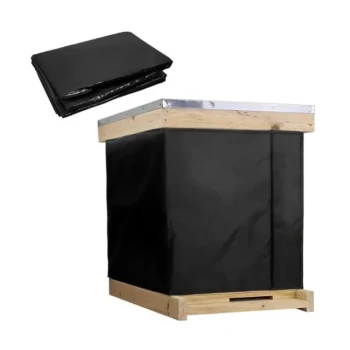
Exterior Insulation
Helping the colony conserve heat is vital for their energy efficiency. Wrapping the hive adds a layer of insulation, reducing the caloric load required for the cluster to maintain a livable temperature.
Maintaining Proper Ventilation
Insulation must never compromise air exchange. You must ensure proper ventilation to allow respiratory moisture to escape; otherwise, condensation can form, drip onto the cluster, and freeze the bees.
Physical Protection and Security
Reducing the Entrance
Cold drafts can rapidly deplete a hive's heat. Use the narrowest opening on your entrance reducer to minimize the intake of freezing air and make the entrance easier for the colony to defend.
Installing Mouse Guards
A warm hive filled with honey is an attractive target for rodents seeking shelter. You must install guards over the entrance to physically prevent mice from entering and destroying the comb.
Disease Management
Controlling Varroa Mites
Winter bees live longer than summer bees and must be physically robust. Implementing effective Varroa mite control strategies in the late season is non-negotiable to ensure the winter cluster is not weakened by viruses transmitted by parasites.
Understanding the Trade-offs
The Insulation vs. Ventilation Balance
A common pitfall is sealing the hive too tightly in an attempt to keep it warm. While wrapping the hive is essential, failing to provide an upper vent can turn the hive into a damp environment, which is often more lethal to bees than the cold itself.
Feeding Timing
Feeding syrup is critical, but timing matters. If you feed syrup too late in the season when temperatures are freezing, the bees may be unable to move to the feeder or evaporate the water content, rendering the feed useless or hazardous.
Making the Right Choice for Your Goal
Winterizing is not a "set it and forget it" task; it requires preparation based on your specific environment and hive status.
- If your primary focus is thermal efficiency: Prioritize wrapping the hive and reducing the entrance, but verify that a top vent remains open to release moisture.
- If your primary focus is colony health: rigorous Varroa mite treatments in late summer and early fall are the single most effective step to ensure the population is strong enough to last until spring.
- If your primary focus is resource security: Weigh your hives early and feed heavy syrup aggressively in the fall until the target weight for your region is reached.
The goal is to provide a dry, draft-free, and food-rich environment that allows the bees to do what they do best: cluster and survive.
Summary Table:
| Practice Category | Key Action | Benefit |
|---|---|---|
| Nutrition | Supplemental fall syrup feeding | Ensures adequate energy for heat generation |
| Thermal Regulation | Wrapping and entrance reduction | Conserves heat and blocks freezing drafts |
| Moisture Control | Maintaining upper ventilation | Prevents lethal condensation and internal freezing |
| Pest Control | Varroa mite treatment & mouse guards | Protects colony health and hive structural integrity |
Maximize Your Winter Survival Rate with HONESTBEE
Preparing your commercial apiary for winter requires more than just knowledge—it requires the right tools. HONESTBEE supports commercial apiaries and distributors with a comprehensive range of professional beekeeping equipment designed for efficiency and durability.
Whether you need specialized hive-making machinery, heavy-duty insulation solutions, or essential consumables to maintain hive health through the cold months, we provide the wholesale advantage you need to scale. Our portfolio covers everything from honey-filling machines to industry-leading hardware.
Ensure your colonies thrive until spring. Contact us today to discuss our wholesale offerings and how our machinery can streamline your operations.
Related Products
- Professional Insulated Winter Hive Wrap for Beekeeping
- Wooden Bee Hive Frames for Beekeeping and Wholesale
- Ergonomic Plastic Frame Spacer Tool for Rapid Hive Management Beekeeping
- Metal Bee Hive Stand Bee Box Stand for Beekeeping
- Inner Beehive Cover for Beekeeping Bee Hive Inner Cover
People Also Ask
- What are the steps to properly wrap a beehive for winter? Ensure Your Colony Survives the Cold
- When is the best time to wrap a beehive for winter? A Guide to Perfect Winterization Timing
- How do professional insulation wraps provide protection for bee colonies? Optimize Winter Survival & Energy Efficiency
- What are the technical benefits of using winter wraps for beehive insulation? Boost Colony Survival & Hive Health
- What are the benefits of using insulated covers for hives? Ensure Colony Survival and Health