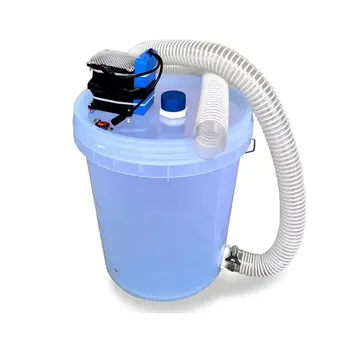
The thorough disinfection of beekeeping equipment is essential because it eradicates persistent pathogen spores and fungi that adhere to wood, metal, and fabric surfaces. Pathogens like American Foulbrood leave spores that survive standard cleaning, turning your gear into a vehicle for disease transmission. Strict disinfection breaks this chain, preventing cross-contamination between hives and preserving the integrity of your biosecurity system.
Strict disinfection is not merely about cleanliness; it is a critical control measure against pathogens with high environmental persistence. By eliminating spores on equipment, you stop cross-infection and allow compromised colonies to regain their vitality and economic value.
The Mechanics of Disease Transmission
Targeting Persistent Spores
The primary reason for deep disinfection is the resilience of certain bee diseases. Pathogens, specifically American Foulbrood, produce spores that have high environmental persistence.
These spores do not simply die off when a colony is removed. They remain dormant on wooden hive bodies, metal hive tools, and the fabric of beekeeping suits, waiting to infect a new host.
Preventing Equipment form Becoming Vectors
Without sterilization, your essential tools become vectors for cross-infection. Moving a hive tool or a suit from an infected apiary to a healthy one can introduce devastating diseases.
Disinfection ensures that your management activities do not inadvertently undermine the health of your entire operation. It isolates the infection effectively, protecting healthy colonies from exposure.
Restoring Colony Vitality
Combating Fungal Infections
Beyond bacterial spores, disinfection is vital for controlling fungal diseases like ascosphaerosis. This condition often strikes colonies with weakened immunity, particularly after the stress of transportation.
Using specialized veterinary products and equipment allows you to eliminate these fungal threats. This is a necessary step to stabilize a colony’s health following a stress event.
Economic and Productivity Recovery
The ultimate goal of sanitation is the restoration of the colony's economic significance. A diseased colony is a liability; a sanitized, recovering colony is an asset.
Timely therapeutic intervention and sanitary processing restore the colony's vitality. With proper treatment, a colony can return to high productivity levels within one to two seasons.
Understanding the Trade-offs
Cleaning vs. Disinfection
A common pitfall is confusing visual cleanliness with biological disinfection. Removing wax and propolis is necessary, but it does not kill spores.
You must accept that deep disinfection requires specialized veterinary products or professional equipment. Relying on superficial cleaning methods to save time is a false economy that leaves your apiary vulnerable to recurring outbreaks.
Making the Right Choice for Your Goal
To manage infected colonies effectively, apply the following principles based on your immediate objectives:
- If your primary focus is Biosecurity: Prioritize the deep disinfection of all wood, metal, and fabric surfaces to kill persistent spores and prevent cross-infection.
- If your primary focus is Colony Rehabilitation: Combine sanitation with therapeutic interventions to eliminate fungal risks and restore productivity within two seasons.
Treat your equipment with the same care as your bees, and you will secure the long-term health of your apiary.
Summary Table:
| Aspect | Key Importance | Targeted Pathogens |
|---|---|---|
| Equipment Vectors | Prevents hive tools and suits from spreading infection | American Foulbrood Spores |
| Environmental Persistence | Eradicates dormant spores that survive standard cleaning | Bacterial & Fungal Pathogens |
| Colony Rehabilitation | Stabilizes health after stress events or transportation | Ascosphaerosis (Chalkbrood) |
| Economic Recovery | Restores diseased colonies to high productivity assets | All contagious bee diseases |
Secure Your Apiary’s Future with Professional Equipment
At HONESTBEE, we understand that biosecurity is the foundation of a profitable beekeeping operation. As a dedicated partner to commercial apiaries and distributors, we provide the heavy-duty tools and machinery needed to maintain the highest sanitary standards.
Our comprehensive wholesale portfolio includes:
- Durable Hive-Making & Honey-Filling Machinery designed for easy maintenance.
- High-Quality Beekeeping Suits & Tools built to withstand rigorous disinfection.
- Essential Industry Consumables to support long-term colony health.
Don't let pathogens compromise your productivity. Let us supply you with the professional-grade hardware and gear your business demands.
Contact HONESTBEE Today for Wholesale Solutions
References
- Michela Mosca, Giovanni Formato. Adoption of Partial Shook Swarm in the Integrated Control of American and European Foulbrood of Honey Bee (Apis mellifera L.). DOI: 10.3390/agriculture13020363
This article is also based on technical information from HonestBee Knowledge Base .
Related Products
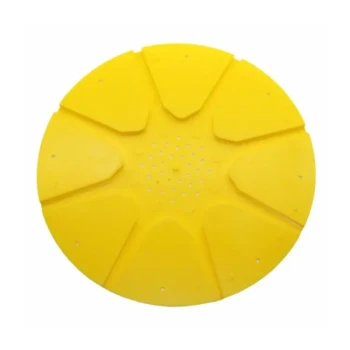
- Efficient Hive Clearing: HONESTBEE 8-Way Plastic Bee Escape
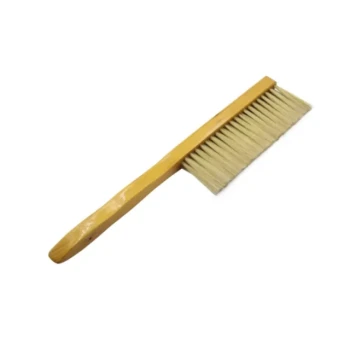
- Wooden Bee Brush with Double-Row Horsehair Bristles
- Adjustable Formic and Acetic Acid Dispenser for Bee Mite Treatment
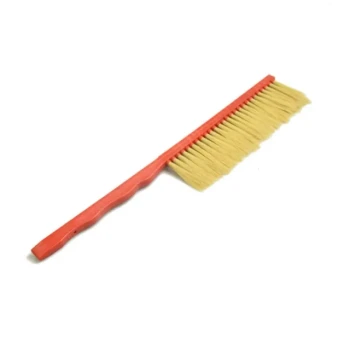
- Plastic Handle Single Row Artificial Fiber Bee Brush
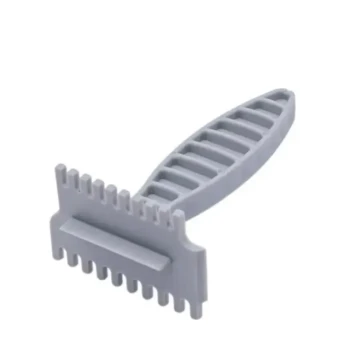
- Precision Stainless Steel Frame Cleaner for Hive Grooves and Corners
People Also Ask
- How is a bee escape, or clearer board, used to harvest honey from a Langstroth hive? The Stress-Free Harvesting Guide
- What mechanical methods and tools are used to clear bees from honey supers? Efficient Tools for a Smooth Harvest
- What is the result of using a bee escape board for 24 hours? Achieve a Near Bee-Free Honey Super
- What are the different types of bee escape boards? Choose the Right One for a Stress-Free Honey Harvest
- How do bee escape boards and fume boards assist in honey harvesting? Optimize Your Harvest with Low-Stress Tools