Toggle Categories
Get Instant Support
Choose your preferred way to connect with our team
-
Get Free Quote Fill out form for detailed pricing
-
Send Email Detailed inquiry support
-
WhatsApp Quick mobile chat
Response Time
Within 8 hours on working days, 24 hours on holidays


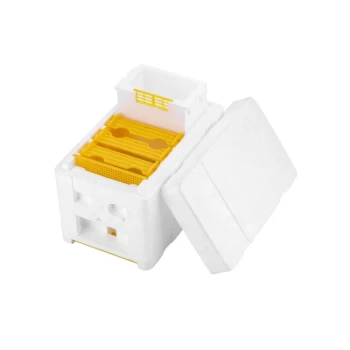


Queen rearing system

5 Frame Wooden Nuc Box for Beekeeping
Item Number: NUC-1

5 Frame Langstroth Poly Nuc Corrugated Plastic Nuc Boxes
Item Number: NUC-3


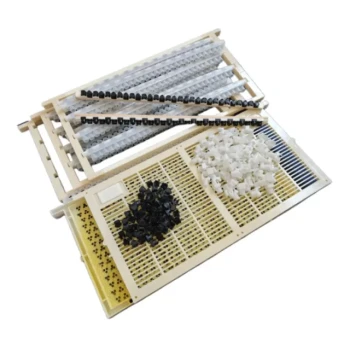
Nicot Queen Rearing Kit for Beekeeping and Grafting in Nicot System
Item Number: QRK-1

Jenter Queen Rearing Kit Complete Set for Bee Breeding
Item Number: QRK-2

JZBZ Langstroth Queen Rearing Frame for Beekeeping
Item Number: QRK-3
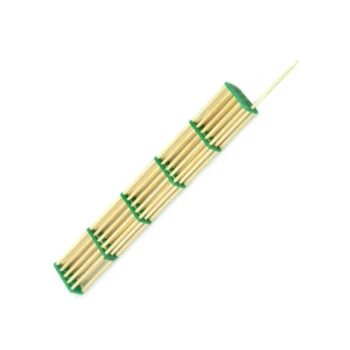
Professional Bamboo Queen Isolation Cage
Item Number: QC-3

Heavy Duty Stainless Steel Queen Bee Catcher Clip
Item Number: QC-7
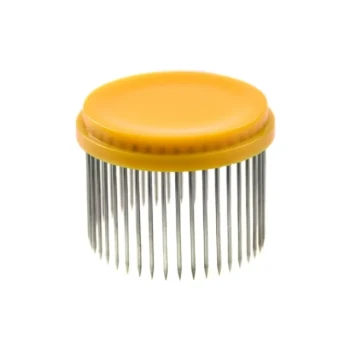
Professional Round Push-In Queen Cage with Metal Tines
Item Number: QC-9
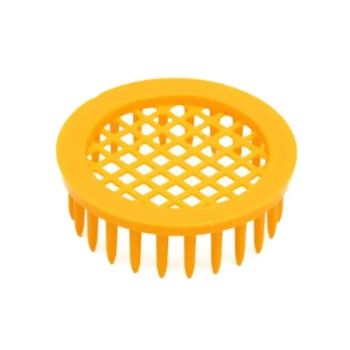
Durable Plastic Push In Queen Bee Cage
Item Number: QC-10
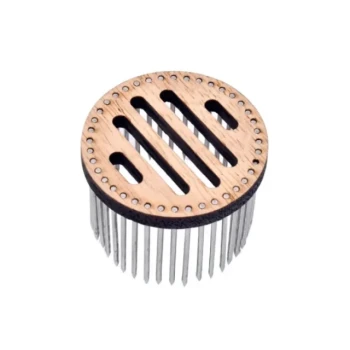
Premium Wood and Steel Push In Queen Cage
Item Number: QC-11
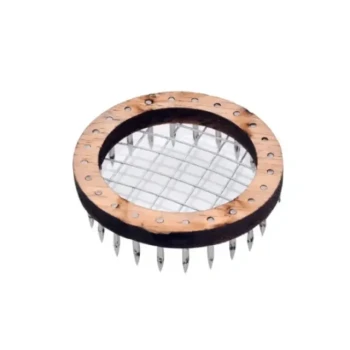
Wood and Mesh Push-In Queen Cage
Item Number: QC-12

Professional Queen Catcher and Introduction Queen Cage
Item Number: QC-16
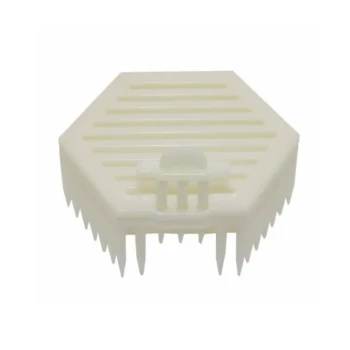
Hexagonal Direct Comb Introduction Queen Bee Cage
Item Number: QC-17

Professional Queen Bee Introduction and Transport Cage
Item Number: QC-19

Professional Multi-Functional Queen Bee Cage
Item Number: QC-20
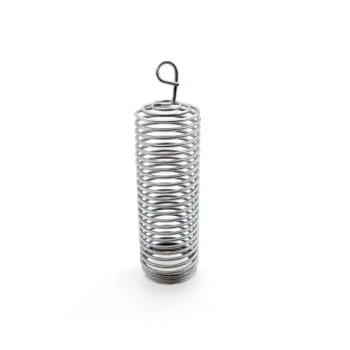
Durable Galvanized Steel Spring Queen Bee Cage
Item Number: QC-23
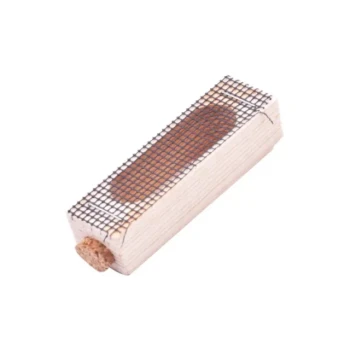
Classic Wooden and Mesh California Queen Cage
Item Number: QC-22
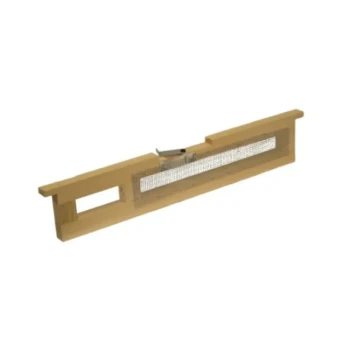
Professional Wooden Requeening Frame for Beekeeping
Item Number: RF-1

Premium Nicot Style Cell Bar Holder and Queen Cell Cup Holder System
Item Number: QCC-5B

Premium Nicot Style Queen Rearing Kit with Hair Roller Bee Cages
Item Number: QCC-5

JZBZ Style Push-In Cell Protector for Professional Queen Rearing Kits
Item Number: QCC-8
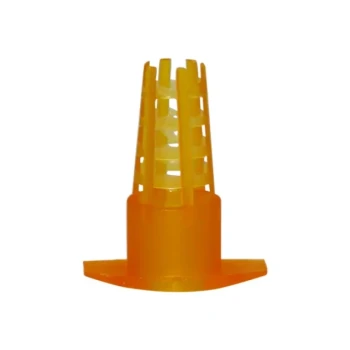
JZBZ Style Shipping Cell Protector for Queen Rearing Kit
Item Number: QCC-9
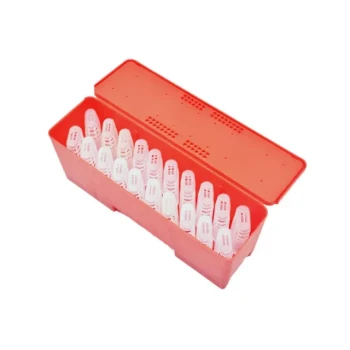
JZBZ Style Professional Battery Box with 20 Shipping Cages
Item Number: QCC-13
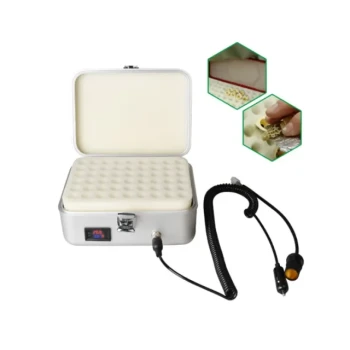
Portable Queen Bee Incubator with 12V Car Adapter for Safe Transport
Item Number: QCC-14
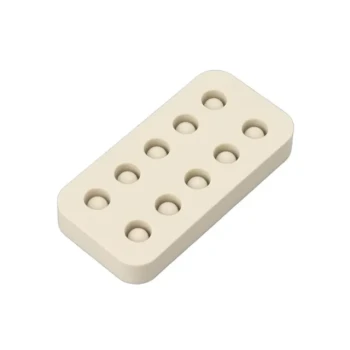
10-Cell Silicone Beeswax Bee Queen Cups Forming Mold
Item Number: QP-2
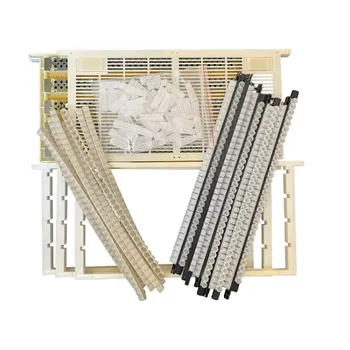
Edit This Page
REQUEST A QUOTE
Our professional team will reply to you within one business day. Please feel free to contact us!
Related Articles
How to Choose Langstroth Hive Box Sizes for Ergonomics, Efficiency, and Bee Health
Learn how to choose Langstroth hive box sizes for ergonomics, efficiency, and bee health. Compare deep, medium, and shallow boxes for optimal beekeeping.
How to Choose Between 8-Frame and 10-Frame Langstroth Boxes for Optimal Beekeeping
Compare 8-frame vs. 10-frame Langstroth boxes for beekeeping: weight, yield, and urban vs. commercial needs. Optimize your hive setup.
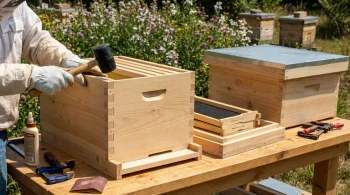
How to Assemble Wooden Beehives: A Beginner's Guide to Durable Joint Systems
Learn how to assemble durable wooden beehives with expert tips on joint systems, weatherproofing, and long-term maintenance for beginners.
Strategic Queen Excluder Use in Flow Hives: Preventing Brood Contamination Without Triggering Swarms
Learn how to strategically use queen excluders in Flow Hives to prevent brood contamination while minimizing swarming risks for optimal honey production.
Why Wooden Beehives Outperform Modern Alternatives: A Science-Backed Guide for Beekeepers
Discover why wooden beehives outperform modern alternatives with superior insulation, breathability, and durability for thriving bee colonies.
How to Clear Bees from Frames Without Compromising Honey Quality or Colony Health
Learn ethical methods to clear bees from frames without harming honey quality or colony health. Essential for commercial beekeepers.
How Royal Jelly Controls Honeybee Castes: Science & Practical Beekeeping Methods
Discover how royal jelly's bioactive compounds control honeybee caste development and learn science-backed beekeeping methods for optimal colony management.
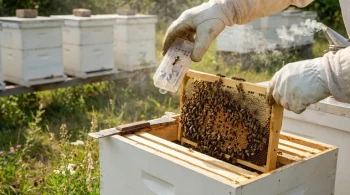
How Queen Management Dictates Success in Colony Splitting: A Beekeeper’s Guide
Learn expert queen management techniques for successful colony splitting in beekeeping. Optimize pheromone stability, resource allocation, and timing.
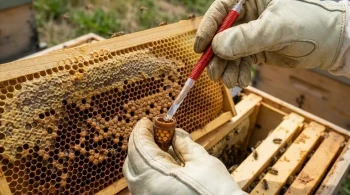
How to Improve Queen-Rearing Success: Biologically Optimized Grafting Techniques
Boost queen-rearing success with science-backed grafting techniques focusing on larval biology, tool prep, and colony conditions for higher acceptance rates.
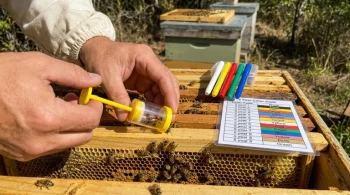
How to Mark Queen Bees Safely Using the 5-Year Color Code System
Learn the 5-year color code system for marking queen bees to improve hive health, prevent swarming, and boost honey production.
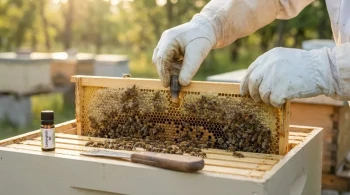
How to Replace Queen Cells in Nucleus Hives Without Triggering Bee Drifting
Learn how to replace queen cells in nucleus hives without triggering bee drifting, reducing worker bee losses by over 60% in commercial operations.
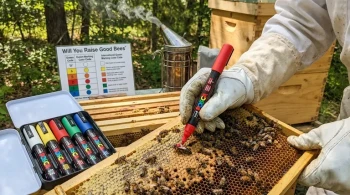
How Queen Bee Age Tracking Boosts Hive Productivity: A Beekeeper’s Guide
Learn how queen bee age tracking boosts hive productivity with color-coded marking and strategic replacement protocols for beekeepers.
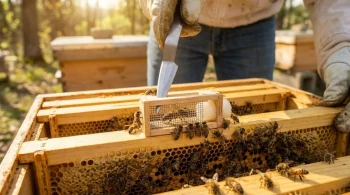
How to Prevent Queen Bee Rejection: Mastering Pheromone Timing for Hive Success
Learn pheromone timing & hive strategies to prevent queen bee rejection, boost acceptance rates, and maximize colony productivity.
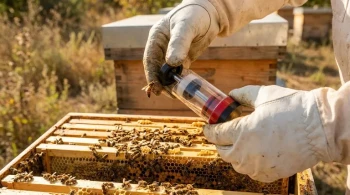
How Queen Clip Catchers Protect Your Hive During Beekeeping Interventions
Learn how queen clip catchers protect your hive during beekeeping interventions, ensuring colony stability and faster recovery.
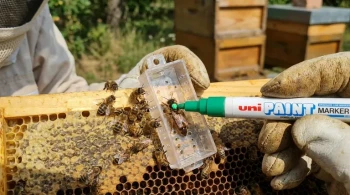
How Queen Bee Marking Transforms Hive Management: A Beekeeper's Guide
Learn how queen bee marking improves hive management with color-coding, swarm prevention, and efficient colony tracking for beekeepers.
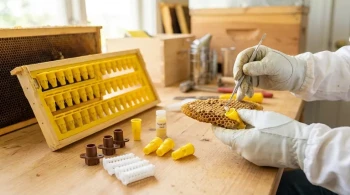
How to Raise Superior Queen Bees: The Science of Larval Selection and Care
Learn the science of larval selection and care to raise superior queen bees, boosting colony productivity and honey yields.
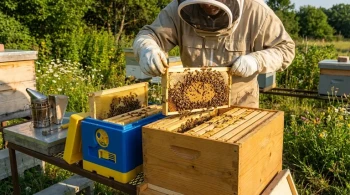
How to Successfully Requeen Hives Using the 5-Frame Nuc Method: A Beekeeper’s Guide
Learn the 5-frame nuc method for successful hive requeening—key steps, biological insights, and troubleshooting tips for beekeepers.
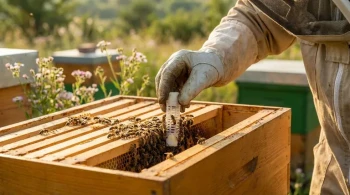
How Beekeepers Can Ensure Successful Queen Introduction Through Behavioral Science
Learn the science behind successful queen bee introduction, including pheromone acclimation, worker behavior, and common pitfalls for beekeepers.
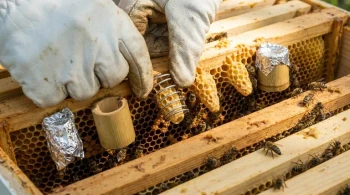
How to Protect Queen Cells: A Beekeeper’s Guide to Reliable Methods
Learn effective methods to protect queen cells in beehives, from physical barriers to seasonal strategies for optimal hive health.
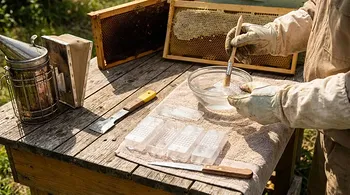
Maximizing Queen Cage Value: A Beekeeper's Guide to Safe Reuse & Long-Term Savings
Learn how beekeepers can safely reuse queen cages to cut costs by 60-70% while maintaining colony health through proper sterilization and durable materials.