Toggle Categories
Get Instant Support
Choose your preferred way to connect with our team
-
Get Free Quote Fill out form for detailed pricing
-
Send Email Detailed inquiry support
-
WhatsApp Quick mobile chat
Response Time
Within 8 hours on working days, 24 hours on holidays









Protective Gear
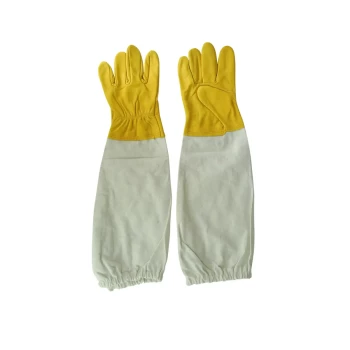
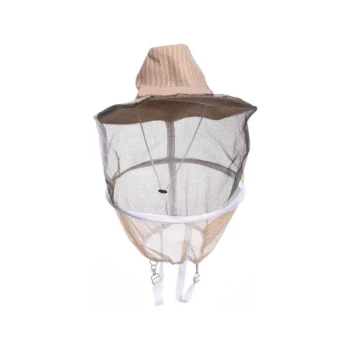
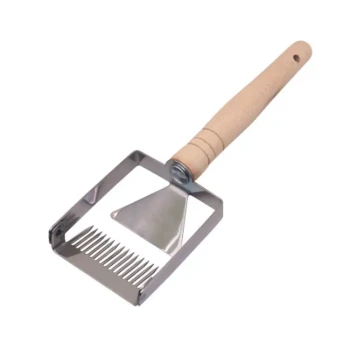


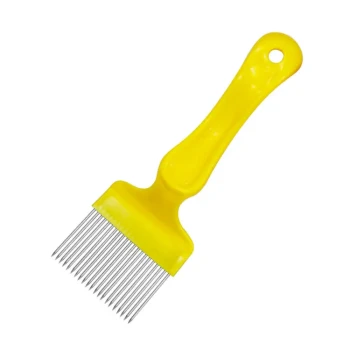










Beeswax Processing Equipment




Pollen & Propolis & Royal Jelly Processing
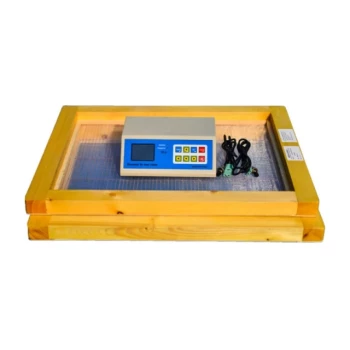
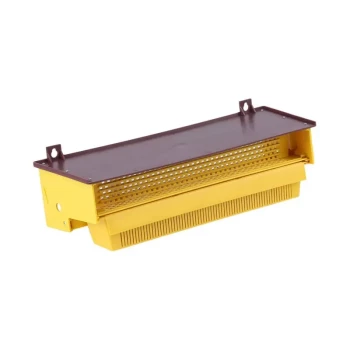
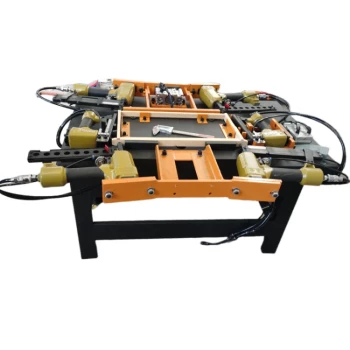
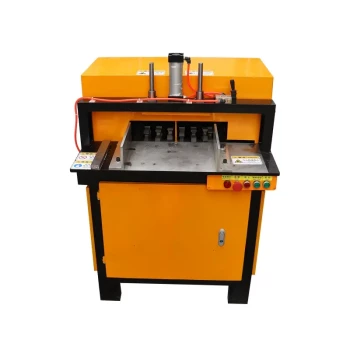
Hive & Frame Making Machines
Products

Stainless Steel Honey Press Wax Press with Tank
Item Number: HWP-4

Stainless Steel Jack Type Honey Comb Press Machine Wax and Honey Separator
Item Number: HWP-5

Honey Wax Separating Wax Press with Metal Screw Wax Separator Machine
Item Number: HWP-7

10L Stainless Steel Electric Honey Press Machine
Item Number: HWP-6

Electric Honey Press Machine for Squeezing Honey Comb Press Equipment
Item Number: HWP-8

Solar Beeswax Melter Easy Solar Wax Melter for Beeswax
Item Number: BWM-1
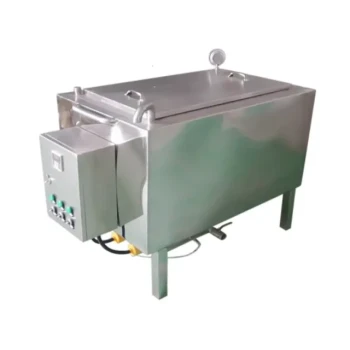
Electric Commercial Beeswax Melter for Factory Use
Item Number: BWM-2
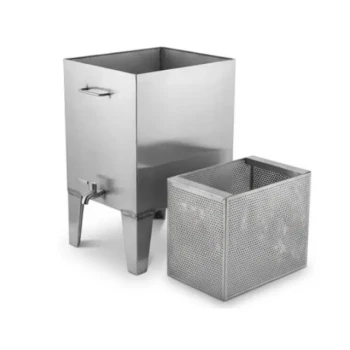
Steam Beeswax Melter Wax Warmer for Wax Processing
Item Number: BWM-3
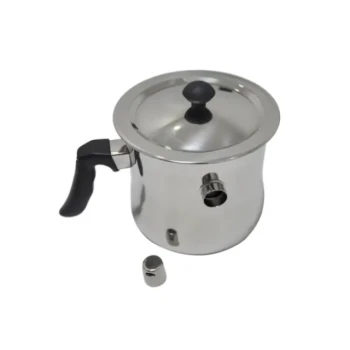
Beeswax Melter for Candle Making Honey Bee Wax Melter
Item Number: BWM-4

Notebook Style Beeswax Foundation Mould Wax Foundation Mold
Item Number: WFM-8

Colorful Silicone Beeswax Foundation Mold Mould for Beekeeping
Item Number: WFM-9

High-Performance Langstroth Bee Hives for Global Professional Beekeeping
Item Number: LBH-1

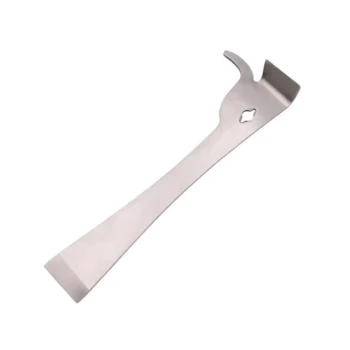
Professional Multi-Function Stainless Steel Hive Tool
Item Number: HT-9


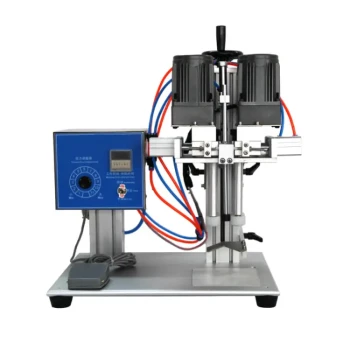
Pneumatic Paste Filling Machine Bottling Packaging Machine Single Nozzle
Item Number: HFM-1

Semi-Auto Bee Frame Assembly and Stapling Machine for Bee Frame
Item Number: BFSM-1
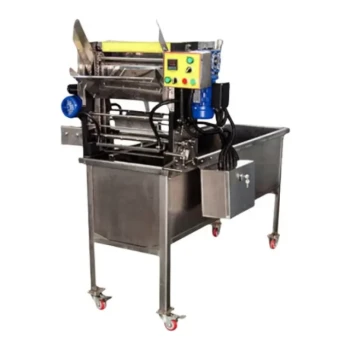
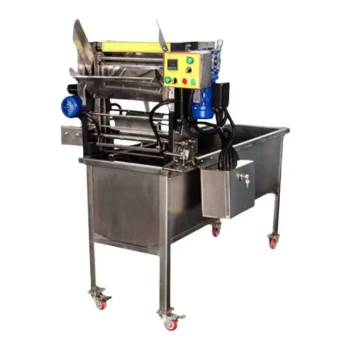
Automatic Honey Frame Uncapper Machine for Beekeeping
Item Number: HUM-1


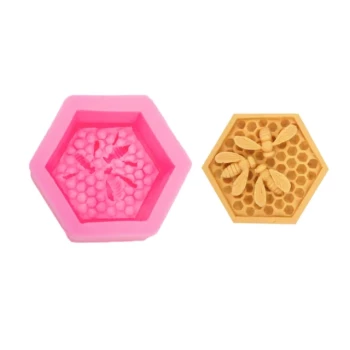
Honeycomb and Bee Silicone Soap Mold for DIY Handmade Soaps
Item Number: SSM-2
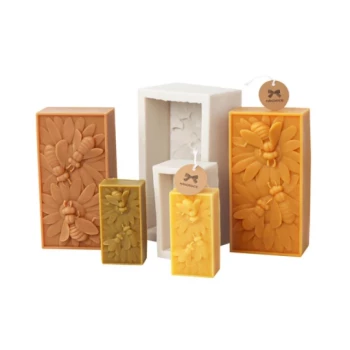
Bee Floral Relief Silicone Mold for Artisan Soap Candle Making
Item Number: SSM-3
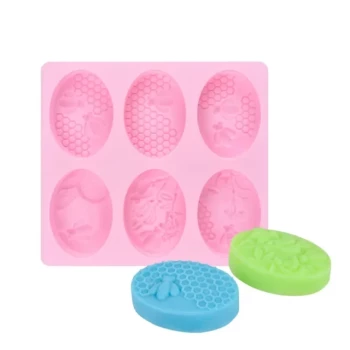
Premium 6-Cavity Bee and Floral Themed Silicone Soap Mold
Item Number: SSM-4
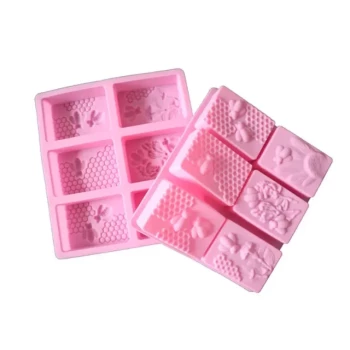
6-Cavity Bee Floral Themed Silicone Soap Mold for Handmade Soap Making
Item Number: SSM-5
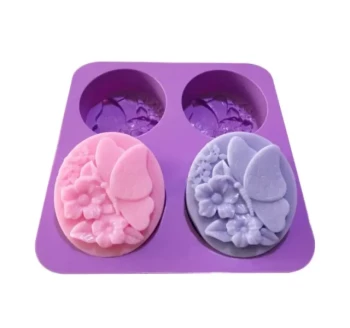
Butterfly Flower Oval Silicone Soap Mold for DIY Handmade Soap Making
Item Number: SSM-6

In-Hive Dual Compartment Frame Bee Feeder for Targeted Colony Nutrition
Item Number: BF-3


Professional In-Hive Bee Feeder HONESTBEE Frame for Beekeeping
Item Number: BF-8

HONESTBEE Professional Hive Top Bee Feeder Feeding Solution
Item Number: BF-10
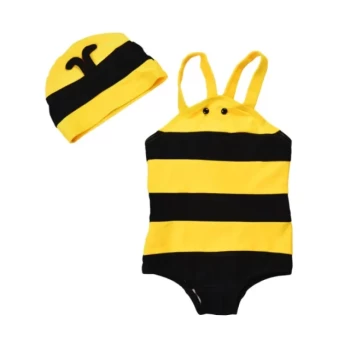
Adorable Baby Toddler Bee Swimsuit and Cap Set
Item Number: HBC-13
REQUEST A QUOTE
Our professional team will reply to you within one business day. Please feel free to contact us!
Related Articles
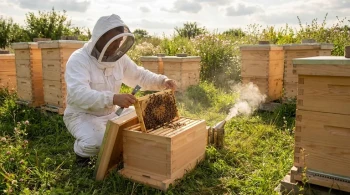
How Nucleus Colonies Transform Beekeeping: A Strategic Guide to Hive Health
Discover how nucleus colonies enhance beekeeping sustainability, improve hive health, and reduce costs compared to package bees.
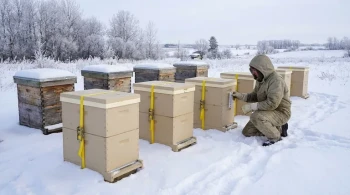
How Styrofoam Beehives Transform Overwintering Success: Science & Practical Insights
Discover how Styrofoam beehives improve winter survival rates with superior insulation, reducing honey consumption and condensation risks.
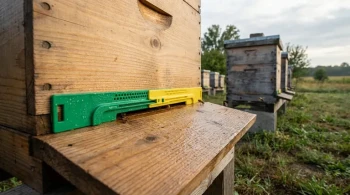
How Entrance Reducers Protect Beehives Through Seasonal Extremes
Learn how entrance reducers protect beehives from winter condensation and spring robbing, optimizing hive health and honey yields year-round.
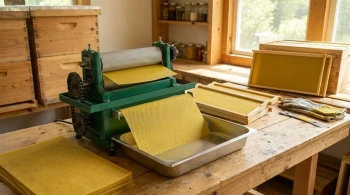
How to Choose the Right Beehive Foundation for Your Beekeeping Goals
Learn how to choose the best beehive foundation for honey yield, sustainability, or cost-efficiency. Compare beeswax, plastic, and hybrid options.
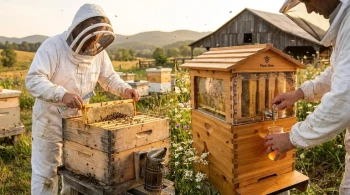
Flow Hive vs. Langstroth: Choosing the Right Hive for Your Beekeeping Goals
Compare Flow Hive vs. Langstroth beehives: efficiency, cost, and maintenance differences to choose the best system for your beekeeping goals.
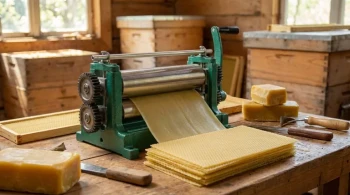
How Manual Tablet Presses Boost Hive Productivity with Pure Beeswax Sheets
Discover how manual tablet presses enhance hive productivity with pure beeswax sheets, boosting honey yield and colony health sustainably.
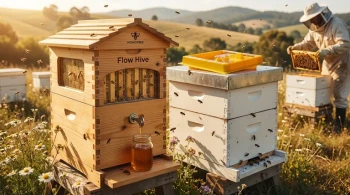
Flow vs. Langstroth Hives: Balancing Bee Welfare, Cost, and Productivity
Compare Flow vs. Langstroth hives for bee welfare, cost, and productivity. Choose the best beekeeping system for your needs.
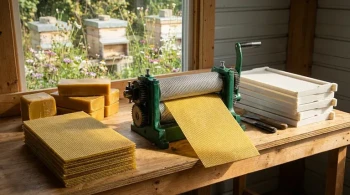
Beeswax vs. Plastic Foundations: Choosing the Sustainable Option for Thriving Apiaries
Compare beeswax vs. plastic hive foundations for colony health, sustainability, and cost efficiency in beekeeping. Make the right choice for your apiary.
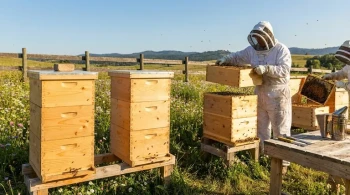
How to Choose Langstroth Hive Box Sizes for Ergonomics, Efficiency, and Bee Health
Learn how to choose Langstroth hive box sizes for ergonomics, efficiency, and bee health. Compare deep, medium, and shallow boxes for optimal beekeeping.
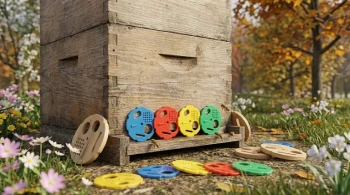
Mastering Entrance Reducers: Seasonal Strategies for Hive Defense and Health
Learn seasonal strategies for using entrance reducers to protect hives from pests, regulate temperature, and improve colony health.
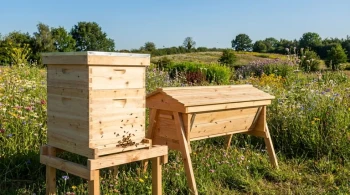
How to Choose Between Langstroth and Top Bar Hives for Your Beekeeping Goals
Compare Langstroth vs. Top Bar beehives for honey production, sustainability & ease of use. Choose the best hive for your beekeeping goals.
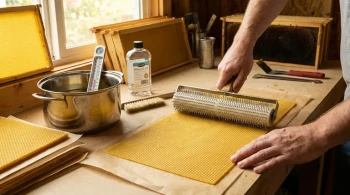
How to Craft Durable Wax Foundations Using Manual Rollers: A Beekeeper's Guide
Learn expert techniques for crafting durable wax foundations using manual rollers—temperature control, rolling best practices, and troubleshooting tips for beekeepers.
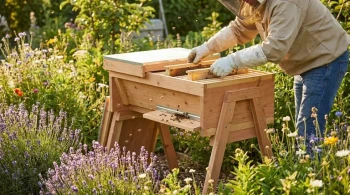
How Top Bar Hives Naturally Boost Bee Health and Simplify Beekeeping
Top bar hives promote natural bee health with comb freedom, thermal efficiency & sustainable harvesting. Ideal for low-maintenance backyard beekeeping.
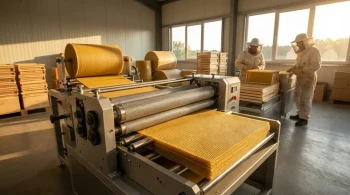
How Fully Automatic Wax Foundation Machines Cut Beekeeping Costs by 40%
Fully automatic wax foundation machines cut beekeeping costs by 40%—reducing labor, energy use, and waste while boosting productivity.
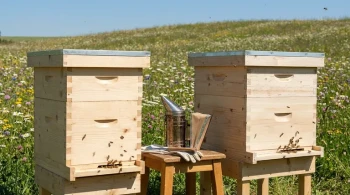
How to Choose Between 8-Frame and 10-Frame Langstroth Boxes for Optimal Beekeeping
Compare 8-frame vs. 10-frame Langstroth boxes for beekeeping: weight, yield, and urban vs. commercial needs. Optimize your hive setup.
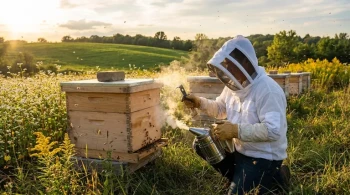
How to Choose Beekeeping Tools: A Practical Guide for Every Budget and Climate
Learn how to choose the best beekeeping tools for your budget and climate, from protective gear to hive management essentials.
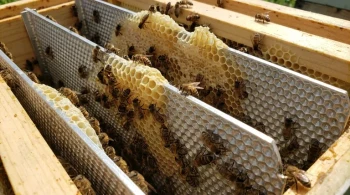
How Precision-Textured Aluminium Castings Boost Hive Productivity by Mimicking Nature
Precision-textured aluminium castings mimic bee cell geometry, boosting hive productivity by 15-25% with durable, energy-efficient foundations.
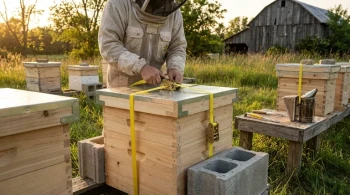
How to Strengthen Langstroth Hive Roofs Against Storms Without Compromising Functionality
Learn how to reinforce Langstroth hive roofs for storm protection while maintaining ventilation and moisture control for colony health.
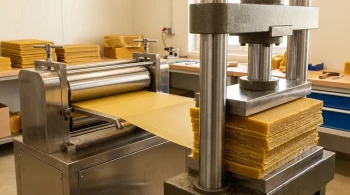
How to Choose Between Roller and Press Systems for Perfect Beeswax Sheets
Compare roller vs. press systems for beeswax sheets—ideal for candle making or cosmetics. Learn speed, cost & quality trade-offs for commercial production.
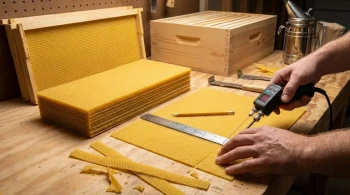
How to Cut Beeswax Foundations for Perfect Hive Compatibility Every Time
Learn professional techniques for cutting beeswax foundations to ensure hive compatibility, prevent warping, and boost colony productivity.