Toggle Categories
Get Instant Support
Choose your preferred way to connect with our team
-
Get Free Quote Fill out form for detailed pricing
-
Send Email Detailed inquiry support
-
WhatsApp Quick mobile chat
Response Time
Within 8 hours on working days, 24 hours on holidays












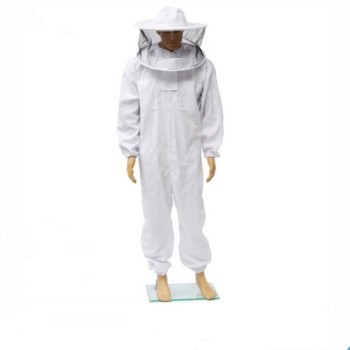
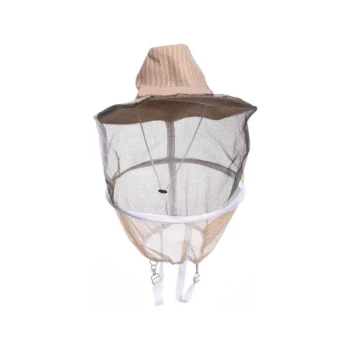
Protective Gear


















Beeswax Processing Equipment


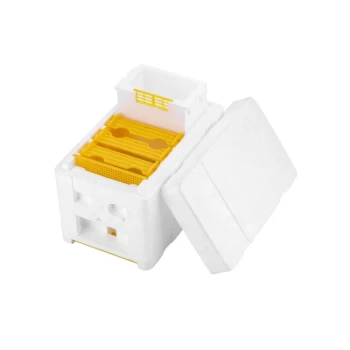


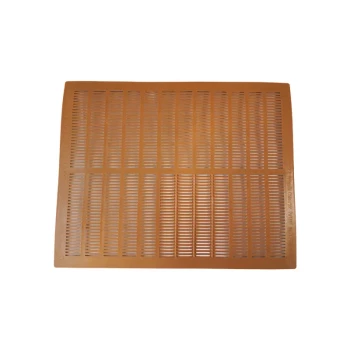
Pollen & Propolis & Royal Jelly Processing


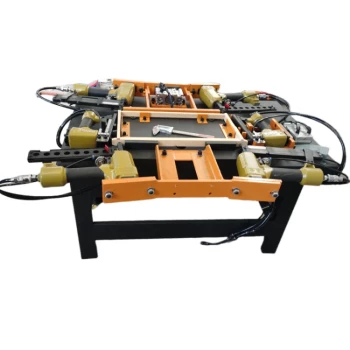
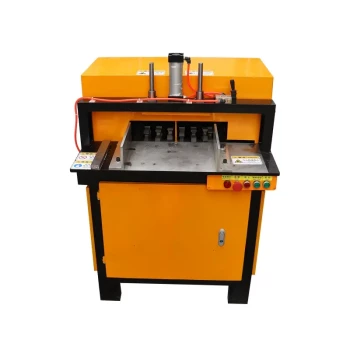
Hive & Frame Making Machines





Products
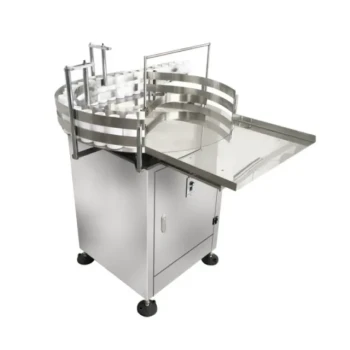
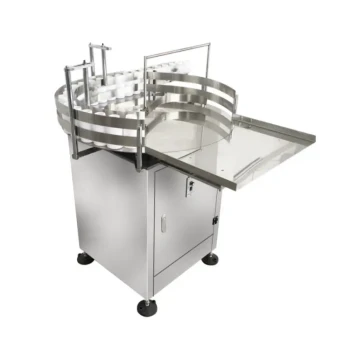
Automated Rotary Bottle Unscrambler for Honey Production Line
Item Number: HBU-1

Fully Automatic High Speed Centrifugal Bottle Unscrambler
Item Number: HBU-2

Automatic Single-Dose Snap & Squeeze Honey Sachets Packing Machine
Item Number: HFM-14

HONESTBEE 24 Head Rotary Bottle Washing Machine
Item Number: HBW-1

HONESTBEE Professional Cabinet Bottle Dryer
Item Number: HBX-1
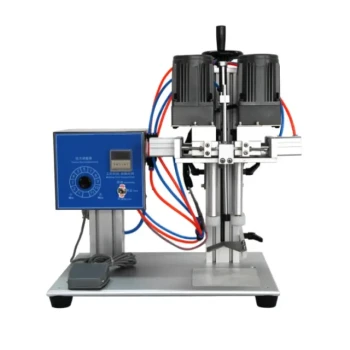
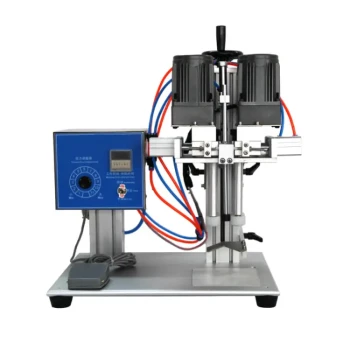
Semi-Automatic Pneumatic Bottle Capping Machine by HONESTBEE
Item Number: BCM-1

Semi Automatic Electric Bottle Capping Machine
Item Number: BCM-2
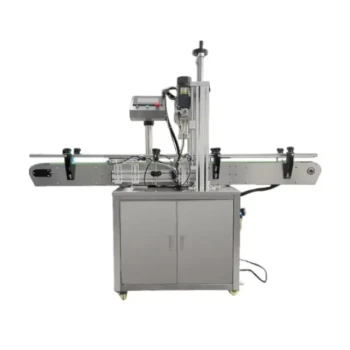
Automatic Inline Spindle Bottle Capping Machine for Honey Production
Item Number: BCM-3

Handheld Induction Sealing Machine for Tamper Evident Packaging
Item Number: BSM-1

Automatic Continuous Heat Sealing Machine
Item Number: BSM-4
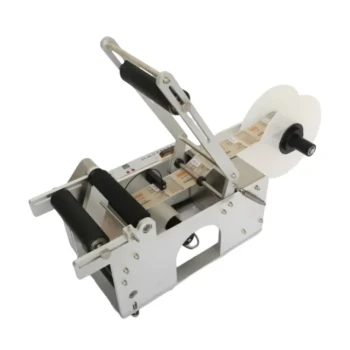
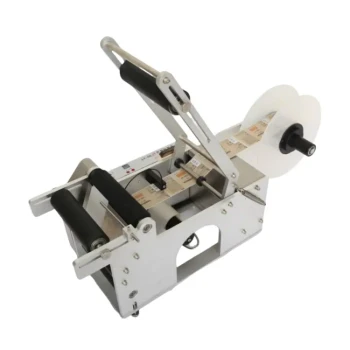
Semi Automatic Round Bottle Labeling Machine
Item Number: BLM-2

HONESTBEE Pneumatic Flat Surface Labeling Machine
Item Number: BLM-1

Professional Engraved Round Hive Number Tags for Beekeeping
Item Number: BHN-4

Stainless Steel Round Beehive Air Vents for Ventilation
Item Number: HV35
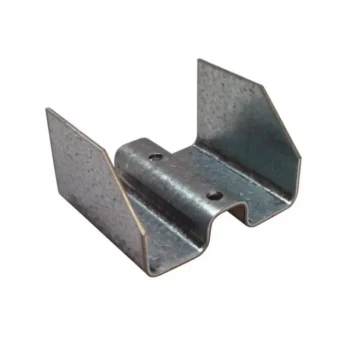
Heavy-Duty Galvanized Steel W-Style Pallet Clip
Item Number: PC-W
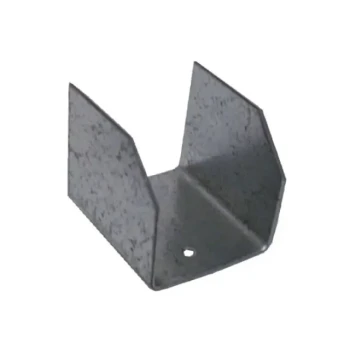
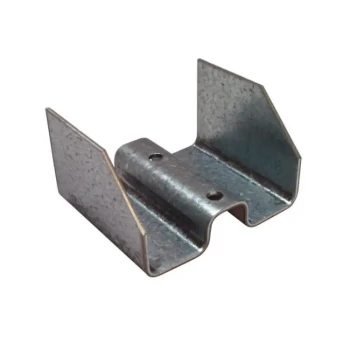
Versatile U-Style Steel Pallet Clip
Item Number: PC-U

Ergonomic Two Person Foldable Hive Lifter
Item Number: BHL-1
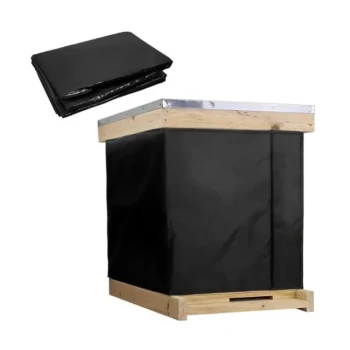
Professional Insulated Winter Hive Wrap for Beekeeping
Item Number: BZY-1
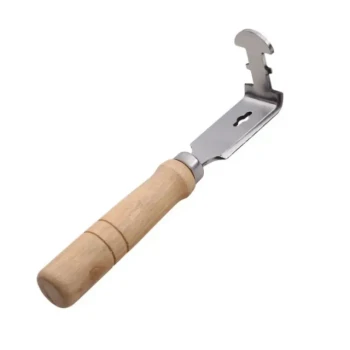
Professional Stainless Steel Frame Cleaner with Ergonomic Wood Handle
Item Number: FC-1

Heavy Duty Stainless Steel Frame Cleaner with Plastic Handle
Item Number: FC-1A

Precision Stainless Steel Frame Cleaner for Hive Grooves and Corners
Item Number: FC-3

Professional Rolling Wax Cutter with Ergonomic Handle
Item Number: WC-1

Heavy-Duty Bee Smoker with Durable Plastic Bellows for Beekeeping
Item Number: BS-9


Heavy Duty Manual Bee Smoker Blower for Beekeeping
Item Number: BS-10

Miniature Stainless Steel Bee Smoker for Beekeeping
Item Number: BS-11

Premium Traditional Copper Bee Smoker with Bellows
Item Number: BS-12
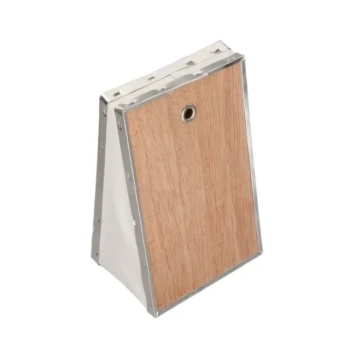
Professional Replacement Bee Smoker Bellows for Beekeeping Equipment
Item Number: BSB-1

All-Weather Plastic Bellows for Bee Smokers
Item Number: BSB-3
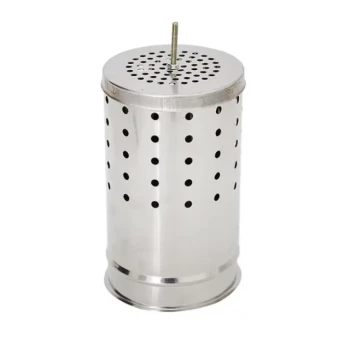
Stainless Steel Replacement Inner Canister for Bee Smokers
Item Number: BS-T
REQUEST A QUOTE
Our professional team will reply to you within one business day. Please feel free to contact us!
Related Articles

Why Your Bee Smoker Might Be Making Your Hives More Aggressive—And How to Fix It
Stop fighting aggressive hives. Learn the science of bee communication and why your smoker technique—and tool—is the key to calm, productive, and profitable apiaries.
Beyond Survival: The Strategic Power of the Overwintered Nucleus Hive
Overwintering a nuc isn't just about preventing loss; it's a proactive strategy to build a resilient, productive apiary from day one of spring.
How Inner Covers Optimize Hive Health Through Every Season
Discover how inner covers regulate hive temperature, humidity, and pest resistance year-round for healthier bee colonies and optimized apiary management.
Why Your Honey Pump Is Clogging—And How to Fix It for Good
Struggling with clogged honey pumps and slow processing? Discover the root cause and how the right stainless steel screw pump can transform your efficiency.
The Art of Cool Smoke: Why Bee Smoker Fuel is a System, Not Just a Substance
Mastering the bee smoker is not about fire, but about engineering cool, dense smoke. Learn the two-part fuel system for calmer, safer hive inspections.
Why Your Bees Won't Build on Plastic Frames—And How to Fix It for Good
Struggling with unproductive plastic frames? Discover the biological reason bees resist them and how proper beeswax coating turns them into a high-yield asset.
Hive Engineering: The Physics of Winter Survival
Winterizing a hive isn't about warmth; it's about managing moisture and energy. Learn the physics of condensation and colony survival.
The Paradox of Warmth: Why a Beehive Must Breathe to Survive Winter
An insulated hive traps moisture, a silent killer. Proper ventilation is not about temperature, but managing condensation for colony survival.
Is Your Honey Dryer Secretly "Cooking" Your Profits?
Discover why precise temperature control at 35°C is crucial for preserving honey quality, preventing enzyme degradation, and protecting your bottom line. Learn the hidden costs of overheating.
Beyond the Cold: The Physics of a Winter Beehive and Why Our Instincts Fail Us
Winterizing hives isn't about warmth; it's about managing the real threats: starvation, moisture, and wind. Learn the physics of bee survival.
The Sensory Signal: Why Bees Reject Plastic Foundation and How to Speak Their Language
Learn why bees ignore plastic frames and the simple re-waxing technique that provides the sensory cue they need to build comb quickly.
The Physics of Survival: Managing the Unseen Threat in a Winter Beehive
Winter hive survival isn't about fighting cold, but managing moisture. Learn the physics of condensation and the balance between insulation and ventilation.
How Mason Jar Feeders Simplify Beekeeping for Beginners
Learn how mason jar feeders simplify beekeeping for beginners with cost-effective, low-maintenance colony support.
The Weight of Winter: A Systems Approach to Pre-Season Bee Feeding
Successful wintering isn't about feeding bees; it's about correcting a resource deficit at the right time. Learn the strategic calculus of hive prep.
Beyond the Box: The Physics of a Winter Beehive
The best winter hive isn't a model, but a system engineered to defeat moisture and heat loss—the two silent killers of a honeybee colony.
Surviving Winter: A Beehive Is Not a House
Effective hive wintering isn't about adding warmth; it's about managing moisture. The real threat is condensation, not the cold itself.
How to Secure Beehives for Transit Without Harming Your Colony
Learn professional techniques for safely transporting beehives without stressing colonies or damaging equipment. Essential guide for commercial beekeepers.
The Physics of a Winter Hive: Why Moisture, Not Cold, is the Silent Killer
Proper hive insulation isn't about heat, but managing moisture. Learn the system to prevent condensation and ensure your colony's winter survival.
The Winter Engine: How One Generation of Bees Decides Your Apiary's Fate
Winter bees are a distinct biological generation built for survival. Their health, determined by late-season management, is the key to colony success.
The Geometry of Trust: How a Wax Roller's Precision Shapes a Hive's Future
A wax roller is more than a press; it's a precision tool. Its frame, rollers, and pattern alignment are critical for bee acceptance and hive efficiency.