Toggle Categories
Get Instant Support
Choose your preferred way to connect with our team
-
Get Free Quote Fill out form for detailed pricing
-
Send Email Detailed inquiry support
-
WhatsApp Quick mobile chat
Response Time
Within 8 hours on working days, 24 hours on holidays











Protective Gear
















Beeswax Processing Equipment




Pollen & Propolis & Royal Jelly Processing
Hive & Frame Making Machines




Products
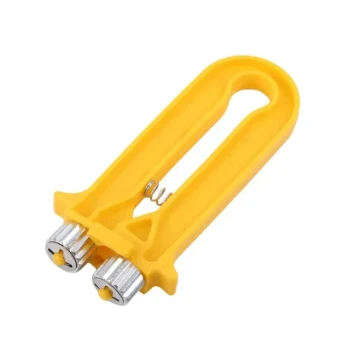
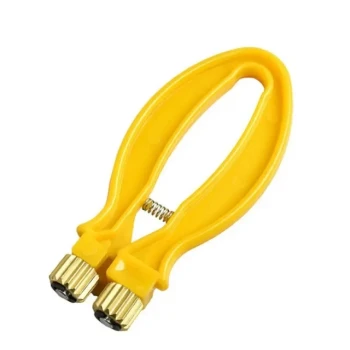
HONESTBEE Ergonomic Spring Loaded Frame Wire Crimper
Item Number: WT-1
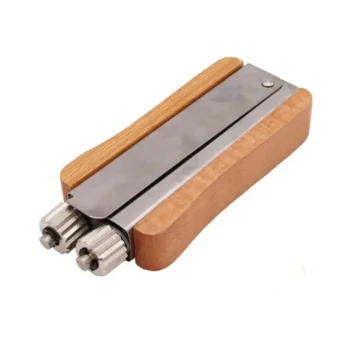
HONESTBEE Durable Ergonomic Wooden Handle Frame Wire Crimper
Item Number: WT-2
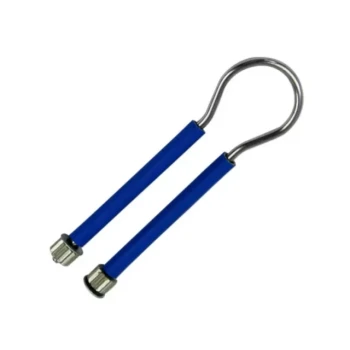
HONESTBEE Loop Handle Frame Wire Crimper
Item Number: WT-4
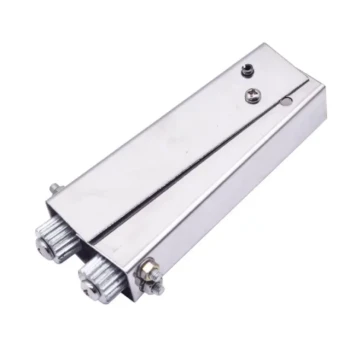
HONESTBEE Heavy Duty All Metal Frame Wire Crimper Tool
Item Number: WT-5

HONESTBEE Professional Frame Wiring Board and Jig
Item Number: WT-6
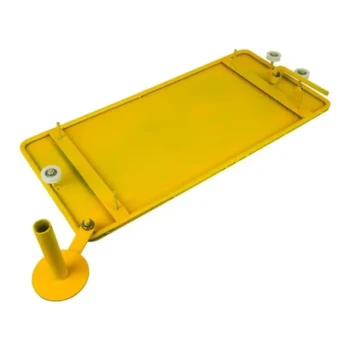
HONESTBEE Durable Frame Wiring Board with Integrated Tensioner
Item Number: WT-7
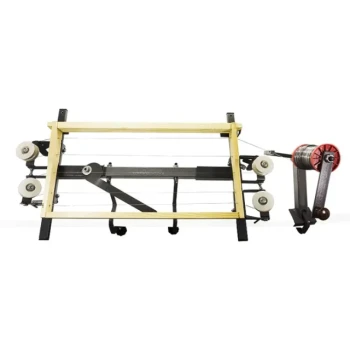

Professional Frame Preparation: The HONESTBEE Electric Wire Embedder
Item Number: WE-8


HONESTBEE Adjustable Voltage Wire Embedder with Digital Display
Item Number: WE-10
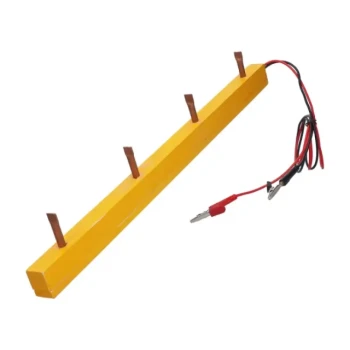
HONESTBEE Wooden Bar Copper Prong Wire Embedder for Battery Operation
Item Number: WE-9

HONESTBEE AC Powered Wire Embedder with Alligator Clips
Item Number: WE-7
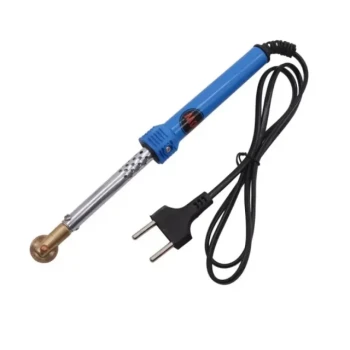
HONESTBEE Soldering Iron Style Spur Wheel Wire Embedder
Item Number: WE-5
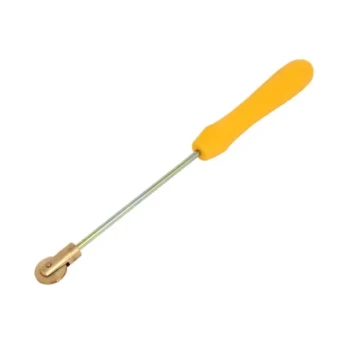
Manual Spur Wheel Wire Embedder for Foundation
Item Number: WE-4
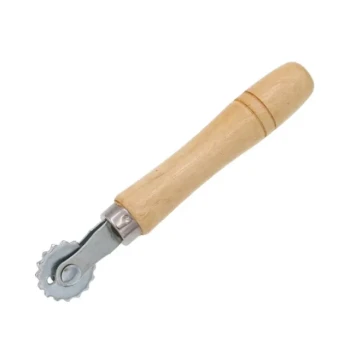
Honestbee Wooden Handle Steel Spur Wheel Wire Embedder
Item Number: WE-1
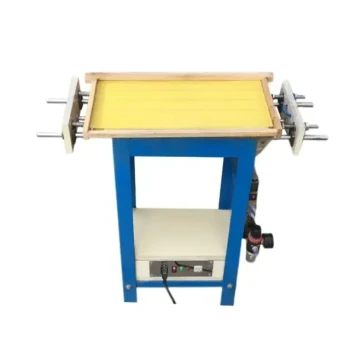
Professional Pneumatic Wire Embedder for Beehive Frames
Item Number: WE-11
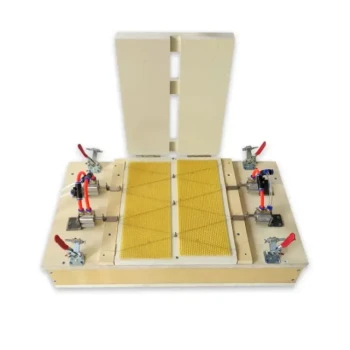
HONESTBEE Pneumatic Dual Wire Embedder for W-Pattern Foundation Wiring
Item Number: WE-12
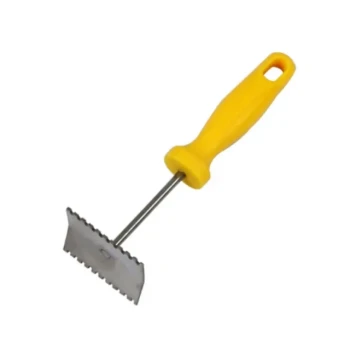
Stainless Steel Scraper for Metal Queen Bee Excluders
Item Number: QES-2
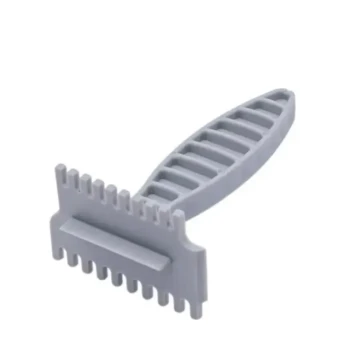
Lightweight Durable Plastic Queen Excluder Scraper for Beekeeping
Item Number: QES-3

HONESTBEE Professional Telescopic Pole Bee Swarm Catcher
Item Number: SCB-1
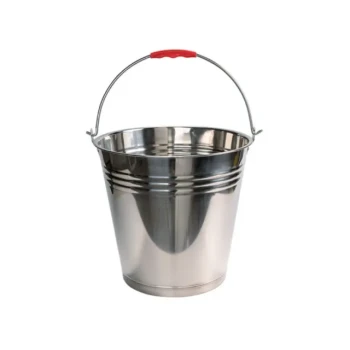
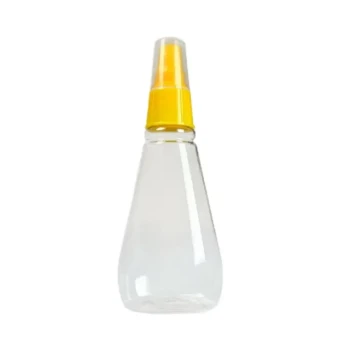
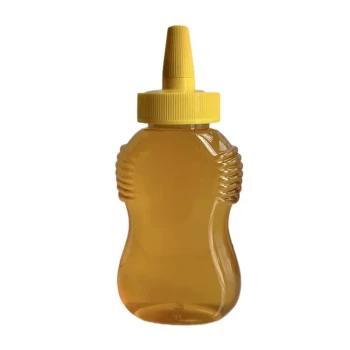
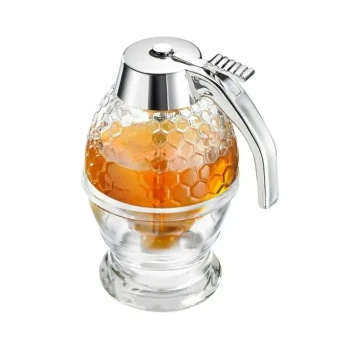
Premium PET Squeeze Honey Bottle with Ergonomic Grip and Rotary Dispenser
Item Number: PHJ-6

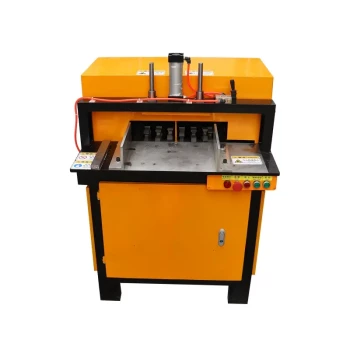
High-Efficiency Pneumatic Bee Hive Making Machine for Rapid Box Assembly
Item Number: BHAM-1
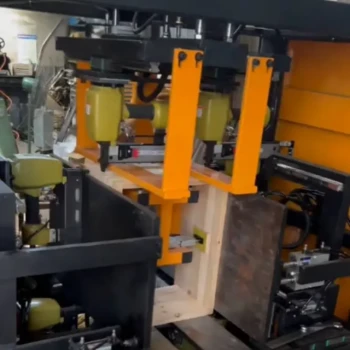
Automatic High-Speed Bee Hive Box Stapling Machine
Item Number: BHSM-1

Heavy-Duty Ergonomic Stainless Steel Pollen Shovel
Item Number: PS-4

Stainless Steel Pollen Shovel with Wooden Handle
Item Number: PS-3

Heavy-Duty Ergonomic Grip Galvanized Pollen Shovel
Item Number: PS-1
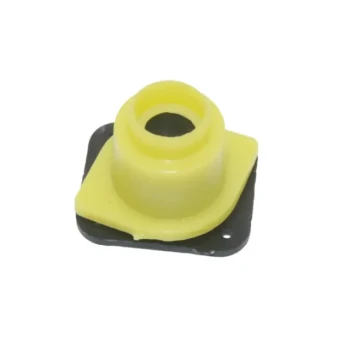
Premium Nicot Style Cell Bar Holder and Queen Cell Cup Holder System
Item Number: QCC-5B

Premium Nicot Style Queen Rearing Kit with Hair Roller Bee Cages
Item Number: QCC-5
REQUEST A QUOTE
Our professional team will reply to you within one business day. Please feel free to contact us!
Related Articles

The Unseen Barrier: Why a Queen Excluder Becomes a Death Trap in Winter
Discover how the honey bee winter cluster's natural upward movement can turn a queen excluder into a fatal barrier, leading to colony collapse.
Why Your Bee Smoker Might Be Making Your Hives More Aggressive—And How to Fix It
Stop fighting aggressive hives. Learn the science of bee communication and why your smoker technique—and tool—is the key to calm, productive, and profitable apiaries.
Order from Chaos: The Deliberate Design of the Beekeeping Frame Perch
A beekeeper's frame perch is designed for three frames not by chance, but to enforce a workflow that protects bees and improves inspection efficiency.
Hive Engineering: The Physics of Winter Survival
Winterizing a hive isn't about warmth; it's about managing moisture and energy. Learn the physics of condensation and colony survival.
The Two Meanings of a Honey Pump: A Guide to Flow, Precision, and Profit
A honey pump isn't one tool. Understanding the difference between bulk transfer and precision bottling is key to protecting honey quality and scaling your operation.
Is Your Honey Pump Holding Your Business Back? The Voltage Mistake You Can't Afford
Discover why choosing the wrong voltage (220V vs 380V) for your honey pump creates bottlenecks. Learn to match your pump to your operational scale for true efficiency.
The Weight of Winter: A Systems Approach to Pre-Season Bee Feeding
Successful wintering isn't about feeding bees; it's about correcting a resource deficit at the right time. Learn the strategic calculus of hive prep.
How Queen Supersedure Disrupts Colony Strength Assessments in Beekeeping
Learn how queen supersedure affects colony strength assessments in beekeeping and best practices for accurate hive management.
Beyond the Centrifuge: The Strategic Case for the Honey Press
Learn why the honey press isn't just another tool, but a strategic choice that defines your apiary's efficiency, yield, and philosophy.
How to Safeguard Bee Colonies During Hive Feeding: Practical Methods for Beekeepers
Learn proven strategies to protect bee colonies during hive feeding, prevent robbing, and choose the right feeders for optimal beekeeping success.
Honey Press: Why Simplicity Can Be a Hidden Trap for Commercial Beekeepers
Discover why the seemingly simple honey press isn't suitable for commercial beekeeping, the hidden costs of its "easy" operation, and efficient alternatives.
Why Your Honey Press Is Underperforming (And Why It’s Not the Press’s Fault)
Struggling with low yields and slow honey extraction? Discover the root cause isn't pressure, but temperature, and how to fix it for good.
The Geometry of Trust: How a Wax Roller's Precision Shapes a Hive's Future
A wax roller is more than a press; it's a precision tool. Its frame, rollers, and pattern alignment are critical for bee acceptance and hive efficiency.
Why Your New Queens Get Rejected—And How the Right Cage Prevents It
Learn the #1 reason new queen bees fail and why the mailing cage is more than a box—it's a critical tool for ensuring colony acceptance and success.
The Physics of the Hive: How a Simple Wire Prevents Catastrophic Failure
Bee frame wire isn't just for holding wax; it's a critical structural reinforcement solving the physics problem of centrifugal force in honey extraction.
How Brood Behavior Reveals When to Feed Bees to Prevent Summer Migration
Learn how nurse bee behavior signals pollen dearth and prevents summer migration with timed nutritional interventions for beekeepers.
The Principle of Full Extraction: Why a Honey Press Isn't Redundant
A honey press complements centrifugal extractors by reclaiming value from byproducts, turning a systemic blind spot into a source of profit.
Why Your Bees Are Starving in Winter (And How the Right Feeder Prevents It)
Discover why common bee feeders fail in cold weather, leading to colony loss. Learn how in-hive frame feeders ensure survival and boost spring buildup.
Strategic Brood Space Management: Balancing Honey Production and Swarm Prevention in Excluder-Free Hives
Learn to balance honey production and swarm prevention in excluder-free hives with science-backed brood space management strategies.
The Unseen System: Why a Honey Press is More Than Just a Tool
A honey press isn't just for extraction; it's a systemic choice that aligns with the philosophy of foundationless beekeeping in Warré and Top Bar hives.