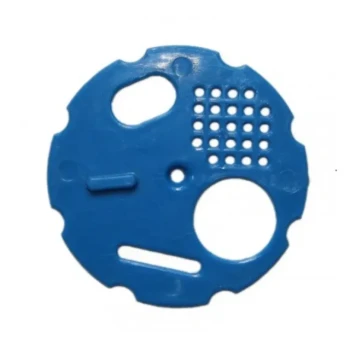
Reducing the hive entrance functions by creating a physical "choke point" that shifts the strategic advantage to the defenders. By shrinking the opening to a size that allows only one or two bees to pass at a time, you force attackers to enter single-file. This allows the colony to concentrate all its guard bees at one small location, effectively repelling intruders who would otherwise overwhelm a wide, unguarded perimeter.
Core Takeaway: Robbing is ultimately a numbers game. By narrowing the entrance, you neutralize the attackers' numerical superiority and allow a smaller or weaker colony to successfully defend its resources against a larger invading force.
The Mechanics of Defensive Advantage
Concentrating the Guard Force
A wide entrance requires a large population of bees to patrol the entire perimeter effectively. If a colony is small or establishing itself, they cannot man the entire "wall." Reducing the entrance allows the colony to focus its limited defensive resources on a single point, ensuring every intruder is met by multiple guards.
Breaking the Attack Momentum
When an entrance is reduced to the width of one or two bees, robbers cannot swarm into the hive simultaneously. They must queue up to enter. This slows down the rate of invasion, making it manageable for the resident bees to identify and fight off individual attackers.
Addressing the Root Cause
Containing the Scent
Robber bees are primarily driven by the smell of honey or nectar leaking from the hive. A large opening acts like a chimney, venting these attractive scents into the air. Constricting the entrance helps contain the colony's "scent signature," making it less likely to attract attention from neighboring hives or wasps.
Sealing the Perimeter
Effective defense requires more than just an entrance reducer. You must also seal unnecessary gaps or cracks in the hive bodies. This prevents the scent of honey from leaking out and ensures there are no "back doors" that bypass the guards at the main entrance.
Strategic Implementation
Using the Right Tools
You can restrict the entrance using commercial entrance reducers, simple wooden sticks, or mesh guards. The goal is to create a barrier that is easy for residents to defend but difficult for robbers to breach.
Adjusting for Feeders
If you are using entrance feeders during a nectar dearth, the risk of robbing increases significantly. You should move the actual physical entrance to the opposite side of the box from where the feeder is located. This spatial separation makes it harder for robbers to locate the sugar water source immediately.
Understanding the Trade-offs
The Risk of Overheating
While restricting the entrance stops robbers, it also restricts airflow. In high summer temperatures, a heavily reduced entrance can cause the colony to overheat. If you use a solid barrier, ensure the hive has a screened bottom board or is placed in the shade to maintain adequate ventilation.
Managing Severe Attacks
In cases of severe robbing, a reducer may not be enough. You may need to close the entrance completely using a moving screen or a wet towel to stop all traffic. However, this is a temporary measure (1-2 hours) to break the robbing cycle and must be monitored closely to prevent suffocating the colony.
Making the Right Choice for Your Goal
To apply this effectively, assess the current threat level and the strength of your colony:
- If your primary focus is prevention for a new colony: Reduce the entrance to a medium setting (roughly an inch) to help them establish defense without severely limiting traffic.
- If your primary focus is stopping an active attack: Reduce the entrance immediately to the smallest possible setting (one bee width) to create a defensible bottleneck.
- If your primary focus is breaking a severe robbing cycle: Close the entrance completely with a wet towel for one to two hours, ensuring you monitor the hive temperature closely.
By controlling the entrance, you convert a vulnerable open border into a secure, defensible gateway.
Summary Table:
| Robbing Threat Level | Recommended Entrance Size | Primary Defensive Benefit |
|---|---|---|
| Prevention (Weak/New Colony) | ~1 inch (Medium) | Concentrates guards without blocking traffic |
| Active Attack (Small Scale) | One-bee width (Small) | Forces single-file entry for easy defense |
| Severe Attack (Intense) | Fully closed (Temporary) | Breaks the scent trail and stops all intruders |
| Nectar Dearth Feeders | Opposite side of feeder | Diverts robbers away from food source |
Secure Your Apiary with HONESTBEE Professional Equipment
Protecting your colony from robbing is the first step toward a successful harvest. At HONESTBEE, we specialize in empowering commercial apiaries and distributors with the high-quality tools needed to thrive.
Whether you require specialized hive-making machinery, precision honey-filling machines, or a full spectrum of beekeeping hardware and consumables, our comprehensive wholesale offering is designed to scale your operations efficiently. From essential hive components to honey-themed cultural merchandise, we provide the industrial-grade solutions your business demands.
Ready to upgrade your beekeeping operations? Contact us today to discuss our wholesale pricing and expert equipment solutions!
Related Products
- Steel Round Disc Entrance Reducer for Flexzion Bee Hive Nuc Box Gate
- Beehive Entrance Reducer Guardian Metal Hive Entrance for Bees
- Professional Hive Front Entrance Bee Feeder
- Multi-Functional Rotary Hive Entrance Disc for Beekeeping
- HONESTBEE Entrance Bee Feeder Efficient Hive Front Liquid Feeding Solution for Beekeeping
People Also Ask
- What is the purpose of an entrance reducer for a beehive? Strengthen Colony Defense and Prevent Robbery
- Why are entrance reducers used to counter hornet infestations? Protect Your Hive with Strategic Choke Points
- Why is it critical to maintain a smaller entrance for a newly established bee hive? Boost Colony Growth and Security
- Under what conditions should a beekeeper adjust the size of a beehive entrance? Seasonal & Defense Management Tips
- What is the function of an entrance reducer on a beehive? Strengthen Colony Defense and Climate Control