At the core of modern smart beekeeping, wireless microcontrollers function as sophisticated data aggregators. They offer the distinct technical advantage of combining high integration with low power consumption, allowing them to synchronize signals from multiple sensors—including temperature, humidity, and weight—simultaneously. By transmitting this data to cloud platforms via mesh or star network topologies, they enable continuous, remote observation without requiring physical interaction with the hive.
The decisive advantage of wireless microcontrollers lies in their ability to facilitate large-scale, 24/7 intelligent monitoring while maintaining a non-invasive environment. This technology transforms beekeeping from a reactive manual process into a proactive, data-driven discipline that preserves the colony's natural activities.
The Architecture of Non-Invasive Monitoring
Centralized Data Processing
Wireless microcontrollers act as the processing hub for the entire monitoring node. They are responsible for collecting and synchronizing raw signals from a variety of peripherals, such as climate sensors, weighing scales, and bee-counting modules.
This centralization ensures that data points are correlated in real-time. For example, a drop in weight can be instantly context-checked against temperature data to distinguish between a swarm event and a foraging exit.
Network Flexibility and Cloud Integration
These controllers utilize flexible network structures, specifically wireless mesh or star topologies. This allows data to be uploaded seamlessly to cloud databases.
Using protocols like Wi-Fi or proprietary mesh networks, the hardware facilitates remote management. Beekeepers can monitor status via mobile applications, eliminating the need for frequent site visits.
Operational Efficiency and Hardware Design
High Integration
A primary technical benefit is the high level of component integration within the microcontroller. This allows for smaller physical footprints within the hive hardware.
Compact nodes are less intrusive to the bees. They can be installed discreetly to measure variables like temperature and humidity without blocking combs or altering airflow.
Low Power Consumption
To maintain 24/7 intelligent monitoring, energy efficiency is critical. Wireless microcontrollers are engineered for low power consumption, allowing nodes to operate for extended periods on battery or solar power.
This ensures that data collection remains uninterrupted, providing a complete historical picture of colony health rather than just snapshots.
Understanding the Trade-offs
Connectivity vs. Range
While supplementary protocols like Wi-Fi are common for uploading data, they can be power-hungry and limited in range.
If hives are located far from a central hub, a simple star topology may struggle. In these cases, a mesh network is technically superior but requires more complex configuration.
Complexity and Maintenance
High integration reduces physical size but increases technical complexity.
Synchronizing multiple sensor inputs (weight, climate, counts) requires robust firmware. If the central microcontroller fails, the beekeeper loses visibility into all monitored metrics simultaneously.
Making the Right Choice for Your Goal
To select the right monitoring architecture, you must align the technical capabilities with your specific apiary management style.
- If your primary focus is comprehensive data analysis: Prioritize microcontrollers with high integration capabilities to handle simultaneous inputs from weight, climate, and counting sensors.
- If your primary focus is minimal disturbance: Choose hardware emphasized for low power consumption to reduce battery maintenance trips and ensure 24/7 uptime.
- If your primary focus is remote accessibility: Ensure the microcontroller supports the specific network topology (Mesh or Wi-Fi) that matches the physical layout of your apiary.
By leveraging these technical advantages, you shift from managing hives to managing precise data, ultimately reducing stress on the bees and improving colony survival rates.
Summary Table:
| Feature | Technical Advantage | Impact on Beekeeping |
|---|---|---|
| Integration | Combines sensors for temp, weight, & humidity | Reduced node size; non-invasive to bee colonies |
| Power Efficiency | Low energy consumption profiles | Enables 24/7 monitoring via battery or solar power |
| Connectivity | Supports Mesh or Star network topologies | Facilitates remote, large-scale apiary management |
| Data Processing | Centralized real-time signal synchronization | Distinguishes events like swarming via data correlation |
| Scalability | Cloud-based data transmission | Allows management of multiple remote sites from one app |
Elevate Your Beekeeping with Smart Technology
Transitioning to data-driven apiary management requires high-quality hardware and specialized equipment. HONESTBEE supports commercial apiaries and distributors by providing a comprehensive wholesale range of beekeeping tools, machinery, and essential industry consumables.
Whether you need specialized hardware like hive-making and honey-filling machines to scale your operations, or high-performance equipment to integrate with your smart monitoring nodes, we deliver the reliability your business demands.
Ready to modernize your apiary or stock your distribution business with premium supplies?
Contact HONESTBEE Today to discuss our wholesale offerings and discover how our expertise can drive your success.
References
- K Satpute Sachin. Monitoring of Honey Bee Hiving System using Sensor Networks. DOI: 10.17577/ijertv9is060296
This article is also based on technical information from HonestBee Knowledge Base .
Related Products
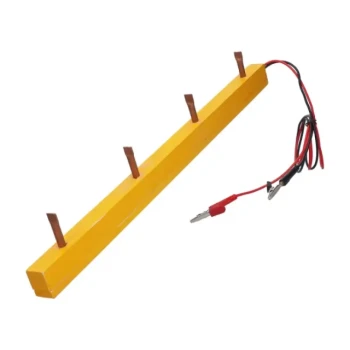
- HONESTBEE AC Powered Wire Embedder with Alligator Clips
- HONESTBEE Adjustable Voltage Wire Embedder with Digital Display
- Professional Frame Preparation: The HONESTBEE Electric Wire Embedder
- Heavy-Duty Ergonomic Grip Galvanized Pollen Shovel
- HONESTBEE professional Efficient Beekeeping Tool: Electric Spur Wheel Wire Embedder
People Also Ask
- How can combs be further strengthened? Embed Wires for Durable, High-Yield Hives
- What is an embedder in beekeeping? Essential Tool for Strengthening Wax Foundation & Hive Frames
- Why must strict sanitary and health prevention protocols be implemented for honeybee transport? Maximize Colony Survival
- What are the primary indicators of healthy honeybee colonies? Optimize Your Commercial Apiary for Peak Productivity
- Why must honeybee samples be stored in high-concentration ethanol and low temperatures? Ensure Genetic & Physical Integrity