Toggle Categories
Get Instant Support
Choose your preferred way to connect with our team
-
Get Free Quote Fill out form for detailed pricing
-
Send Email Detailed inquiry support
-
WhatsApp Quick mobile chat
Response Time
Within 8 hours on working days, 24 hours on holidays










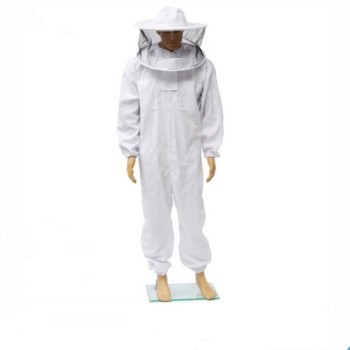
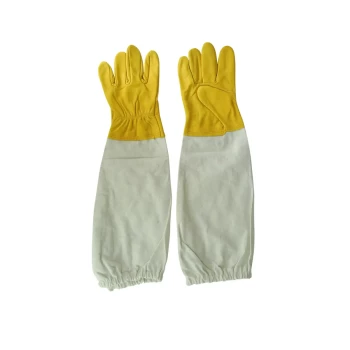
Protective Gear
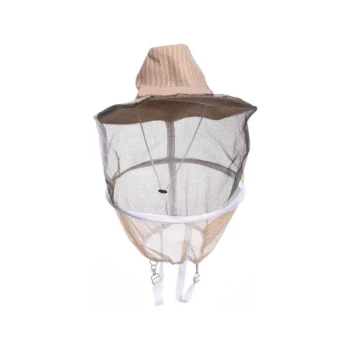
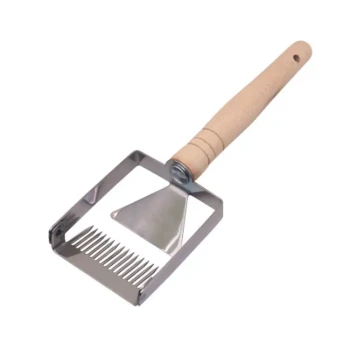


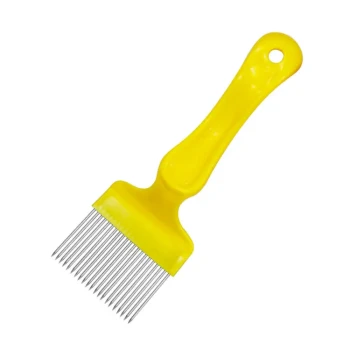
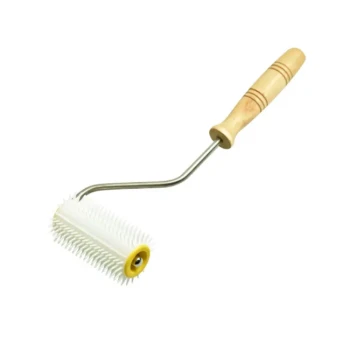










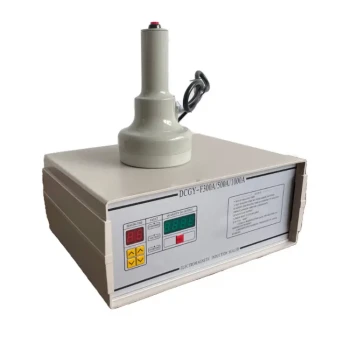
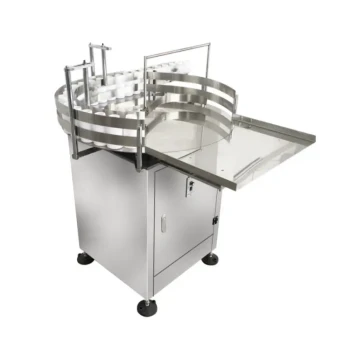

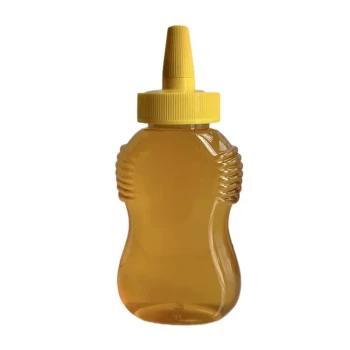

Beeswax Processing Equipment


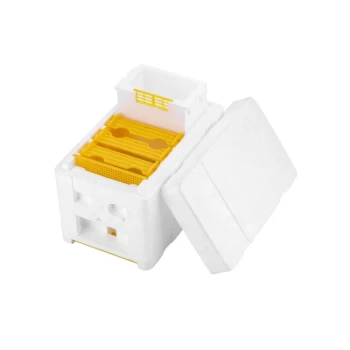


Pollen & Propolis & Royal Jelly Processing
Hive & Frame Making Machines
Products

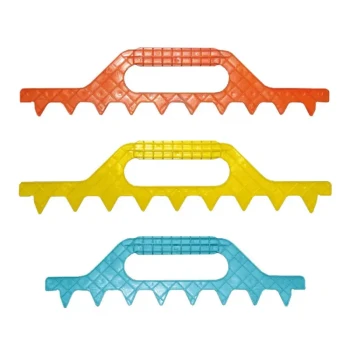
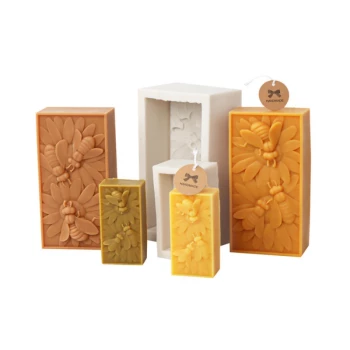
Colorful Silicone Beeswax Foundation Mold Mould for Beekeeping
Item Number: WFM-9

Fully Automatic Beeswax Embossing Machine Foundation Mill
Item Number: WFM-1
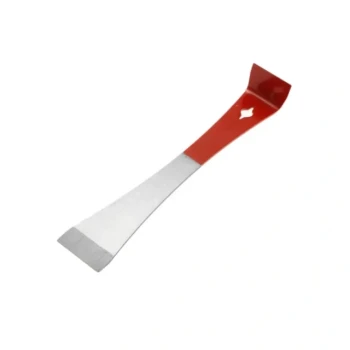
Professional Steel Pry-Bar Hive Tool with Painted Grip
Item Number: HT-6

Professional Stainless Steel J-Hook Hive Tool
Item Number: HT-8
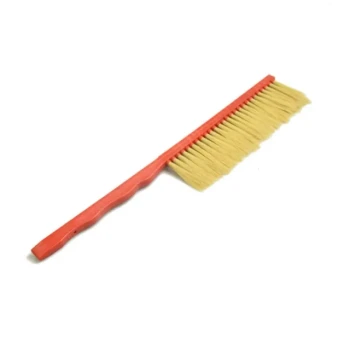
Plastic Handle Single Row Artificial Fiber Bee Brush
Item Number: BB-1

Classic Wooden Bee Brush with Double-Row Boar Bristles
Item Number: BB-6

Wooden Bee Brush with Double-Row Horsehair Bristles
Item Number: BB-5

Double Row Artificial Fiber Bee Brush for Beekeeping
Item Number: BB-4
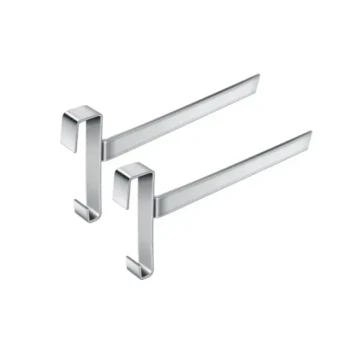
Heavy-Duty T-Style Frame Perch
Item Number: BFP-2

Manual Honey Filling Machine Bottling Machine for Honey
Item Number: HFM-3

Fully Automatic Honey Filling Packaging Machine for Processing Line
Item Number: HFM-8

Honey Stick Filler Vertical Paste Sachet Packing Machine for Honey Sachets
Item Number: HFM-9

Honey Convey Pump Economy Gear Pump for Viscous Liquid
Item Number: HCP-2

High Quality Honey Dehumidifier Dryer Thickening Machine for Beekeeping
Item Number: HD-1

Economy Small Scale Honey Dryer Dehumidifier Thickening Machine
Item Number: HD-2

Economy Honey Homogenizer Mixer and Melting Machine for Beekeeping
Item Number: HM-1



Mini Desktop Bee Hive Frame Forming Making Machine
Item Number: BFMM-1

Frame Punching Hole Puncher Machine for Bee Frame Producing Line
Item Number: BFHP-1

Frame Eyelets Assembly Machine Bee Frame Eyelets Fitting Machine Eyelets Machine
Item Number: BFEM-1

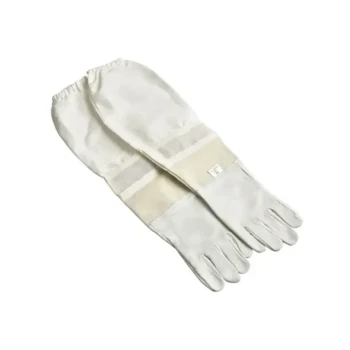

Beekeeper Cowboy Hat and Veil for Beekeeping
Item Number: BH-1

Rigid Pith Style Beekeeper Hat for Square Folding Veils
Item Number: BH-3

Professional Square Folding Wire Mesh Beekeeping Veil
Item Number: BH-4

REQUEST A QUOTE
Our professional team will reply to you within one business day. Please feel free to contact us!
Related Articles
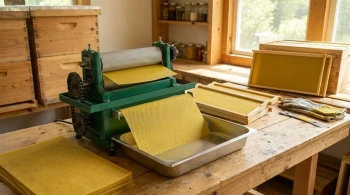
How to Choose the Right Beehive Foundation for Your Beekeeping Goals
Learn how to choose the best beehive foundation for honey yield, sustainability, or cost-efficiency. Compare beeswax, plastic, and hybrid options.
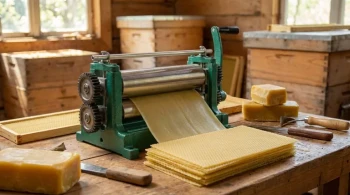
How Manual Tablet Presses Boost Hive Productivity with Pure Beeswax Sheets
Discover how manual tablet presses enhance hive productivity with pure beeswax sheets, boosting honey yield and colony health sustainably.
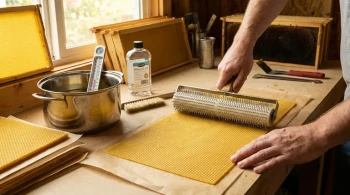
How to Craft Durable Wax Foundations Using Manual Rollers: A Beekeeper's Guide
Learn expert techniques for crafting durable wax foundations using manual rollers—temperature control, rolling best practices, and troubleshooting tips for beekeepers.
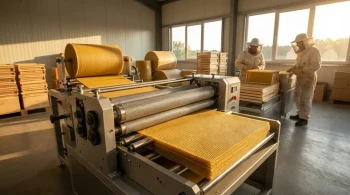
How Fully Automatic Wax Foundation Machines Cut Beekeeping Costs by 40%
Fully automatic wax foundation machines cut beekeeping costs by 40%—reducing labor, energy use, and waste while boosting productivity.
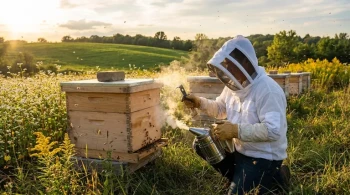
How to Choose Beekeeping Tools: A Practical Guide for Every Budget and Climate
Learn how to choose the best beekeeping tools for your budget and climate, from protective gear to hive management essentials.
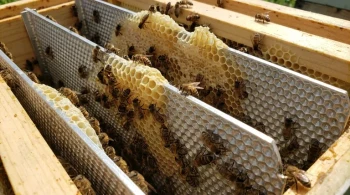
How Precision-Textured Aluminium Castings Boost Hive Productivity by Mimicking Nature
Precision-textured aluminium castings mimic bee cell geometry, boosting hive productivity by 15-25% with durable, energy-efficient foundations.
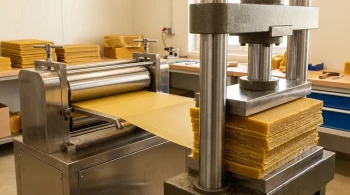
How to Choose Between Roller and Press Systems for Perfect Beeswax Sheets
Compare roller vs. press systems for beeswax sheets—ideal for candle making or cosmetics. Learn speed, cost & quality trade-offs for commercial production.
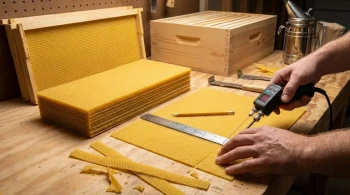
How to Cut Beeswax Foundations for Perfect Hive Compatibility Every Time
Learn professional techniques for cutting beeswax foundations to ensure hive compatibility, prevent warping, and boost colony productivity.
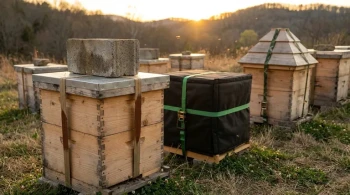
How to Secure Beehive Covers: Weatherproof Strategies for Every Hive Type
Learn weatherproof strategies to secure beehive covers for all hive types, ensuring colony protection from predators and harsh elements.
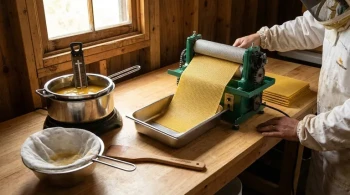
How to Choose and Use Budget-Friendly Tools for Durable Beeswax Foundations
Learn budget-friendly techniques for crafting durable beeswax foundations with essential tools, temperature control, and step-by-step workflows.
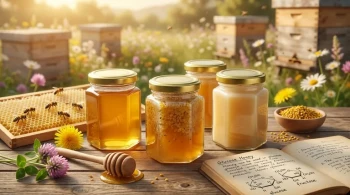
Why Honey Crystallizes Differently—And How to Manage It Naturally
Learn why honey crystallizes differently based on sugar composition and floral source, plus natural storage and decrystallization tips.
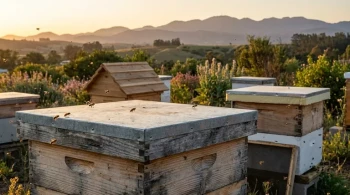
How Beehive Top Cover Design and Materials Protect Your Colony's Health
Learn how beehive top cover design and materials protect your colony from pests, weather, and temperature swings for optimal hive health.
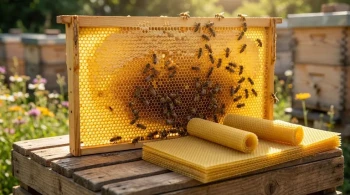
How Wax Foundation Sheets Transform Hive Productivity and Colony Health
Boost hive productivity with wax foundation sheets—reduce bee labor, enhance comb construction, and increase honey yields by 20%. Ideal for commercial beekeepers.
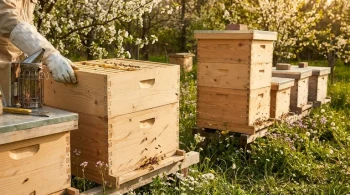
How to Expand Your Beehives in Spring Without Triggering Swarms
Learn how to expand beehives in spring using 8-frame systems to prevent swarming and boost honey production with sustainable hive management.
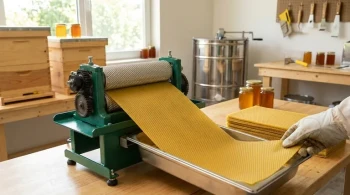
How Beeswax Foundation Machines and Smart Equipment Transform Beekeeping Efficiency
Discover how beeswax foundation machines and smart beekeeping equipment enhance efficiency, colony health, and honey production for commercial apiaries.
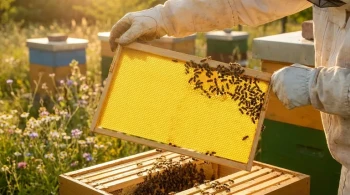
How Precision-Engineered Beeswax Sheets Boost Hive Health and Honey Production
Discover how precision-engineered beeswax sheets enhance hive health, boost honey production, and reduce beekeeping costs with uniform cell depth.
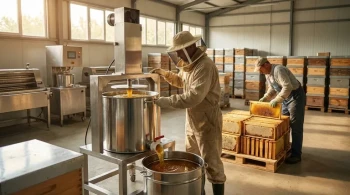
Scaling Honey Production: Industrial Pressing vs Traditional Extraction for Commercial Apiaries
Compare industrial honey presses vs traditional extraction for commercial apiaries. Boost efficiency, reduce labor costs, and maintain quality at scale.
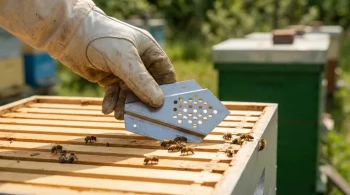
How to Clear Bees from Frames Without Compromising Honey Quality or Colony Health
Learn ethical methods to clear bees from frames without harming honey quality or colony health. Essential for commercial beekeepers.
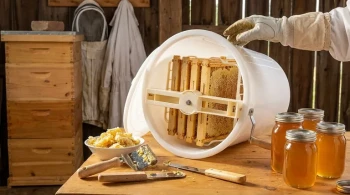
How to Extract Honey Safely Without Damaging Equipment or Hives
Professional honey extraction techniques to maximize yield while protecting combs and hive health. Learn damage-free harvesting and sustainable hive management.
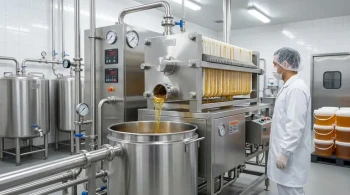
How Professional Honey Filtration Preserves Quality While Meeting Food Safety Standards
Learn professional honey filtration techniques that preserve quality while meeting food safety standards for commercial beekeepers.