Toggle Categories
Get Instant Support
Choose your preferred way to connect with our team
-
Get Free Quote Fill out form for detailed pricing
-
Send Email Detailed inquiry support
-
WhatsApp Quick mobile chat
Response Time
Within 8 hours on working days, 24 hours on holidays





Hives & Components

Professional Frame Preparation: The HONESTBEE Electric Wire Embedder
Item Number: WE-8


HONESTBEE Adjustable Voltage Wire Embedder with Digital Display
Item Number: WE-10
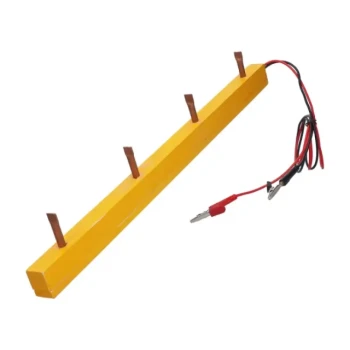
HONESTBEE Wooden Bar Copper Prong Wire Embedder for Battery Operation
Item Number: WE-9
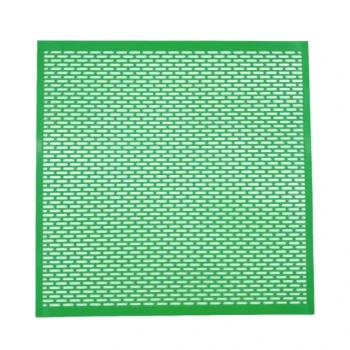
High Performance Plastic Queen Excluder for Beekeeping and Apiary Management
Item Number: QE-2G

Professional Dual Action Queen Excluder Scraper for Beekeeping
Item Number: QES-1
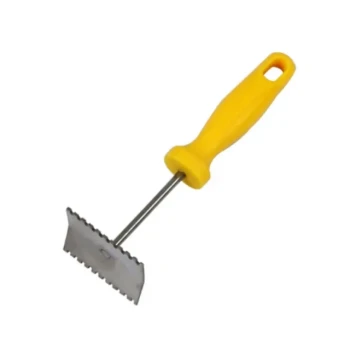
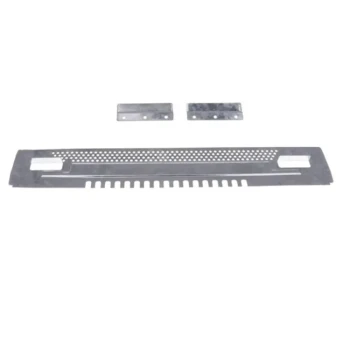
Stainless Steel Scraper for Metal Queen Bee Excluders
Item Number: QES-2
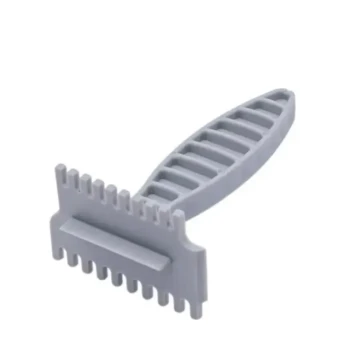
Lightweight Durable Plastic Queen Excluder Scraper for Beekeeping
Item Number: QES-3

Professional Grade Foldable Beehive Handles
Item Number: BHH-1
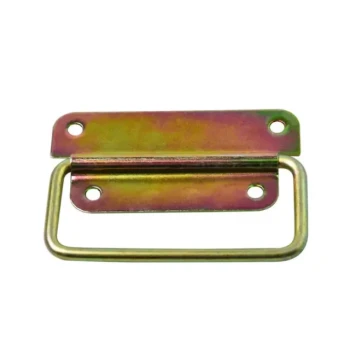
Professional Drop-Style Hive Handles for Beekeeping
Item Number: BHH-2

Premium Comfort Grip Spring-Loaded Hive Handles
Item Number: BHH-3
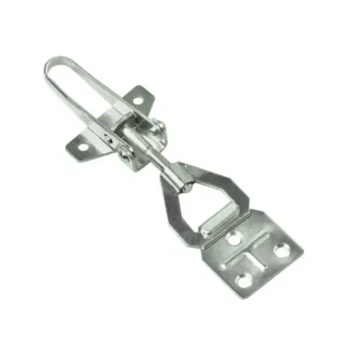
Heavy Duty Adjustable Hive Connector
Item Number: HC-2
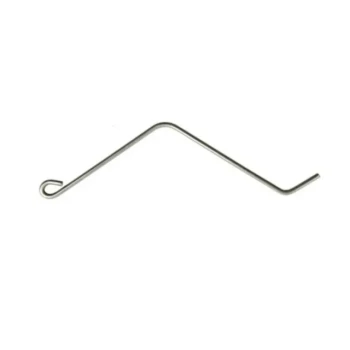
V-Shaped Spring Hive Connector for Beekeeping
Item Number: HC-3

Durable Plastic Interlocking Hive Connector for Beekeeping
Item Number: HC-4
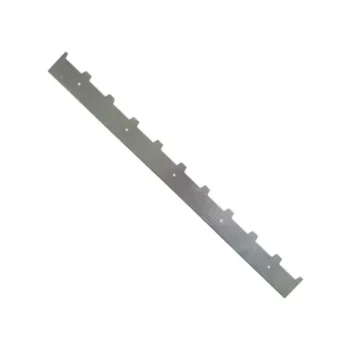
Professional Castellated Iron Frame Spacer for Multiple Hive Types
Item Number: FS-1
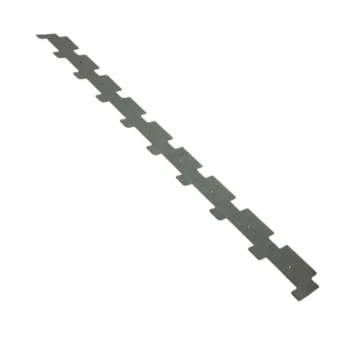
Heavy Duty Castellated Iron Frame Spacer for Honey Supers
Item Number: FS-2

Professional Galvanized Steel Frame Rest for Beehives
Item Number: MR-1
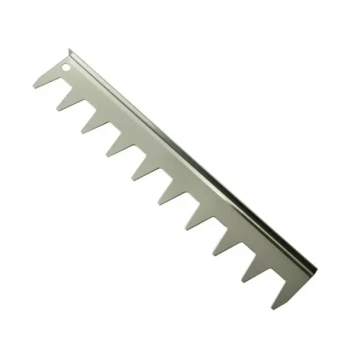

Durable Plastic Frame Spacer
Item Number: FS-3

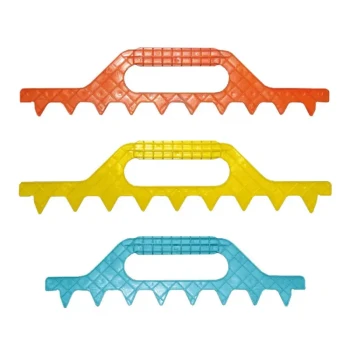
Ergonomic Plastic Frame Spacer Tool for Rapid Hive Management Beekeeping
Item Number: FS-8

Multi-Functional Sliding Hive Entrance for Beekeeping
Item Number: E-7

Professional Reversible Beehive Hive Entrance
Item Number: E-9

Multi-Functional Rotary Hive Entrance Disc for Beekeeping
Item Number: E-8

Durable Plastic Hive Number Set for Beekeeping
Item Number: BHN-1

Professional Large-Format Hive Number Set for Beekeeping
Item Number: BHN-3

Modern Flat-Mount Hive Number Set for Beekeeping
Item Number: BHN-2

Professional Engraved Round Hive Number Tags for Beekeeping
Item Number: BHN-4

Stainless Steel Round Beehive Air Vents for Ventilation
Item Number: HV35
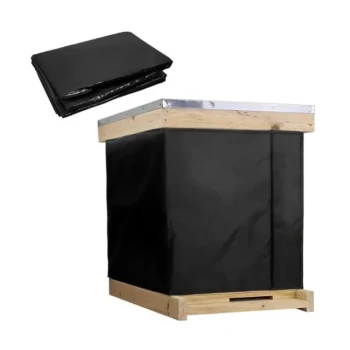
Professional Insulated Winter Hive Wrap for Beekeeping
Item Number: BZY-1
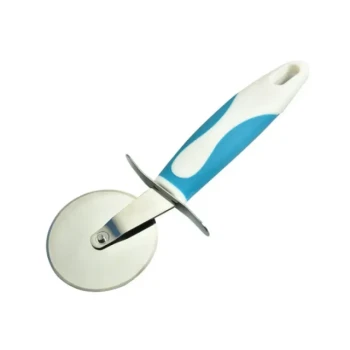
Professional Rolling Wax Cutter with Ergonomic Handle
Item Number: WC-1
REQUEST A QUOTE
Our professional team will reply to you within one business day. Please feel free to contact us!
Related Articles

How Beekeepers Can Optimize Hive Insulation for Healthier Winter Colonies
Learn science-backed hive insulation techniques for winter beekeeping, balancing warmth, moisture control, and energy efficiency for healthier colonies.
Why Your Beeswax Melter Could Be a Fire Hazard—And How to Fix It
Learn the critical difference between beeswax melting and flash points. Discover why common melting methods are unsafe and how to prevent fire risks in your apiary.
The Psychology of Control: Why a Frame Grip is a Masterclass in Hive Management
A frame grip isn't just for lifting; it's a tool for cognitive offloading, enabling calmer, more precise, and efficient hive inspections.
The Signal and the Swarm: Reading Bee Population as a System, Not a Number
Go beyond a simple headcount. Learn to read bee population trends as a vital sign for colony health, productivity, and swarm prevention.
How to Choose Beekeeping Footwear: Safety, Comfort, and Cost Considerations
Learn how to choose the best beekeeping footwear for safety, comfort, and cost. Essential tips for protection, durability, and environment adaptability.
The Art of Deception: Integrating Queen Rearing Kits into the Hive Mind
Successful queen rearing isn't just mechanical; it's about understanding bee psychology to make an artificial kit feel like a natural home.
The Beekeeper's Dilemma: The Gentle Force of a Bee Brush
A bee brush seems simple, but its use is a delicate negotiation with the hive. Mastering it means understanding bee psychology and hive dynamics.
The Simple Blueprint: How Hive Foundation Prevents System Collapse
Hive foundation is more than a starter sheet; it's a strategic tool that channels bee instinct to prevent costly cross comb and enable apiary management.
How to Choose Beekeeping Gloves: Protection, Dexterity & Budget for Beginners
Learn how to choose the best beekeeping gloves for protection, dexterity & budget. Essential tips for beginners to avoid stings & handle hives confidently.
Your Bee Brush Is Making Your Hives Angrier. Here’s the Science—And the Solution.
Discover why using a bee brush for hive inspections agitates bees and costs you time. Learn the science of bee communication and why a smoker is essential.
The Queen's Serial Number: A Data-Driven Approach to Apiary Excellence
Numbering queens provides a unique identifier for granular data analysis, crucial for breeding programs and precise performance optimization.
How Beekeepers Can Diagnose Queen Issues and Prevent Colony Collapse
Learn how beekeepers diagnose queen issues, prevent colony collapse, and maintain hive health with actionable tips and interventions.
The Physics of Persuasion: Why the Spur Hive Tool is Non-Negotiable
The spur hive tool isn't just a pry bar; it's the key interface for managing the tension between a bee colony's engineering and a beekeeper's need to inspect.
The Physics of Spoilage: Why a Single Number Defines the Fate of Your Honey Harvest
Honey's stability isn't guaranteed. Learn how moisture content above 18.6% activates yeast, leading to fermentation, and why measuring it is critical.
How to Choose the Right Beehive: Matching Hive Types to Your Beekeeping Goals
Compare Langstroth, Top Bar & Warre beehives—choose the right hive for honey production, natural beekeeping, or urban/rural settings.
Force and Finesse: The Hive Tool as the Beekeeper's Critical Interface
A hive tool is more than a pry bar. Discover the psychology and technique behind using this essential instrument for professional beekeeping.
More Than a Number: Why the 8-Frame vs. 10-Frame Hive Debate Is About Psychology, Not Just Production
The choice between 8-frame and 10-frame hives isn't about max yield, but about aligning equipment with the beekeeper's physical limits.
How to Build Integrated Varroa Defense Systems for Sustainable Beekeeping
Learn integrated Varroa mite defense strategies for sustainable beekeeping, combining chemical treatments, monitoring, and resistant bee stock.
The Art of Leverage: A Hive Tool Is More Than Steel
A hive tool isn't just a pry bar; it's the interface to a colony. Mastering it separates efficient beekeeping from chaos and colony stress.
An Engineered Truce: The Psychology of the Queen Cage
A queen cage isn't just a box; it's a social tool that manages honeybee instinct, turning potential rejection into colony acceptance.