Toggle Categories
Get Instant Support
Choose your preferred way to connect with our team
-
Get Free Quote Fill out form for detailed pricing
-
Send Email Detailed inquiry support
-
WhatsApp Quick mobile chat
Response Time
Within 8 hours on working days, 24 hours on holidays












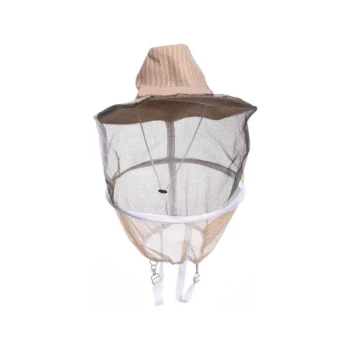
Protective Gear

















Beeswax Processing Equipment




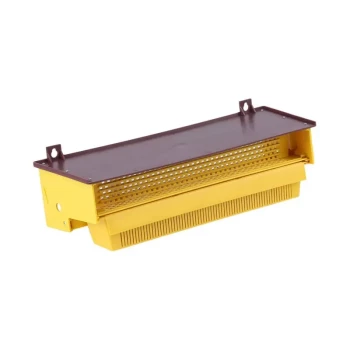
Pollen & Propolis & Royal Jelly Processing

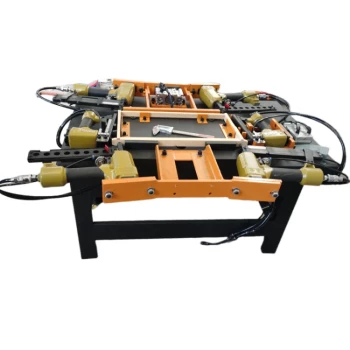
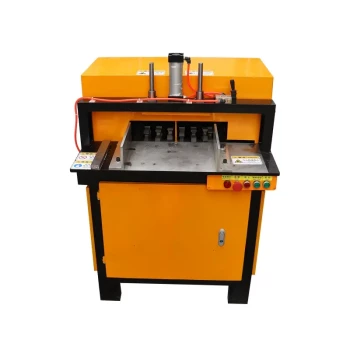
Hive & Frame Making Machines



Products

Professional Durable Two-Piece Plastic Bee Escape
Item Number: BE-2

Professional Cone Style Bee Escape for Efficient Honey Harvesting
Item Number: BE-3
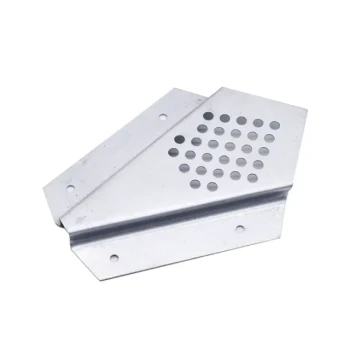
Heavy Duty Metal Corner Bee Escape for Reliable Hive Clearing
Item Number: BE-4

High-Efficiency Diamond Maze Bee Escape for Clearing Supers
Item Number: BE-5

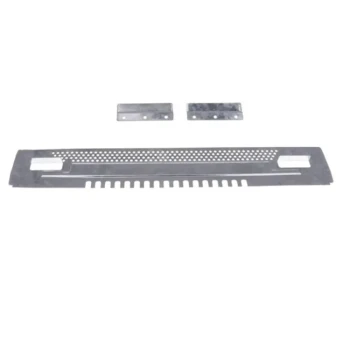
Slatted Porter Style Bee Escape for Rapid Hive Clearing
Item Number: BE-6

Circular Labyrinth Bee Escape for Efficient Hive Management
Item Number: BE-7
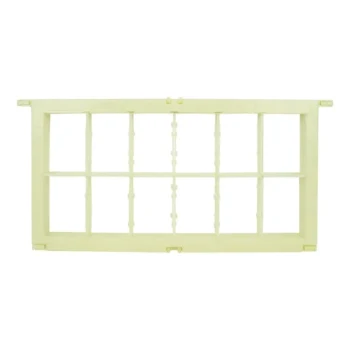
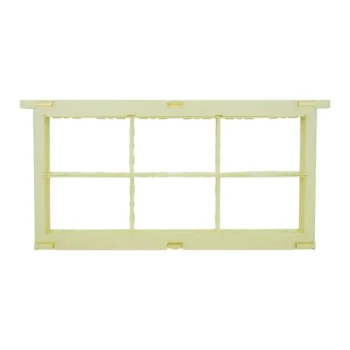
Professional 500g Sectional Comb Honey Frame System for Beekeeping
Item Number: CHC-3

Modern Flat-Mount Hive Number Set for Beekeeping
Item Number: BHN-2

Professional Engraved Round Hive Number Tags for Beekeeping
Item Number: BHN-4

Stainless Steel Round Beehive Air Vents for Ventilation
Item Number: HV35
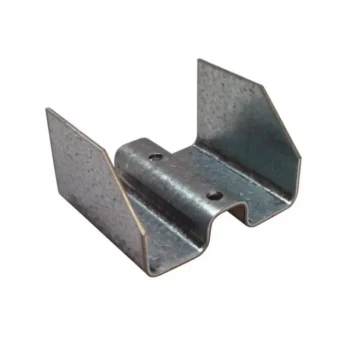
Heavy-Duty Galvanized Steel W-Style Pallet Clip
Item Number: PC-W
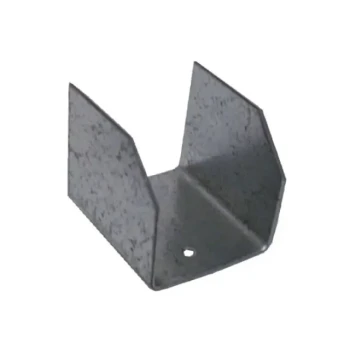
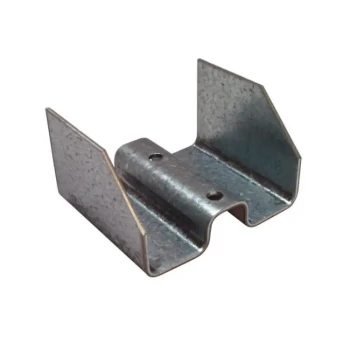
Versatile U-Style Steel Pallet Clip
Item Number: PC-U

Ergonomic Two Person Foldable Hive Lifter
Item Number: BHL-1
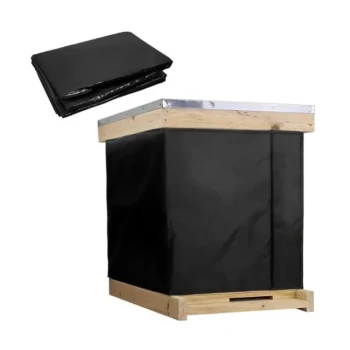
Professional Insulated Winter Hive Wrap for Beekeeping
Item Number: BZY-1
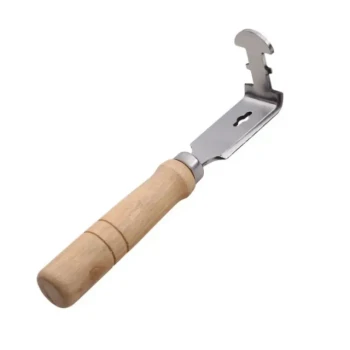
Professional Stainless Steel Frame Cleaner with Ergonomic Wood Handle
Item Number: FC-1
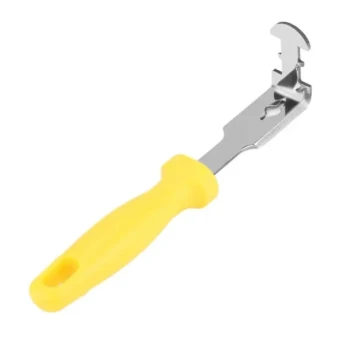
Heavy Duty Stainless Steel Frame Cleaner with Plastic Handle
Item Number: FC-1A

Precision Stainless Steel Frame Cleaner for Hive Grooves and Corners
Item Number: FC-3

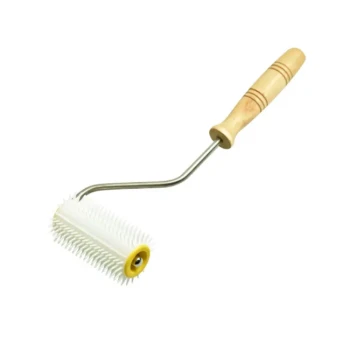
Professional Rolling Wax Cutter with Ergonomic Handle
Item Number: WC-1

Heavy-Duty Bee Smoker with Durable Plastic Bellows for Beekeeping
Item Number: BS-9


Heavy Duty Manual Bee Smoker Blower for Beekeeping
Item Number: BS-10

Miniature Stainless Steel Bee Smoker for Beekeeping
Item Number: BS-11

Premium Traditional Copper Bee Smoker with Bellows
Item Number: BS-12
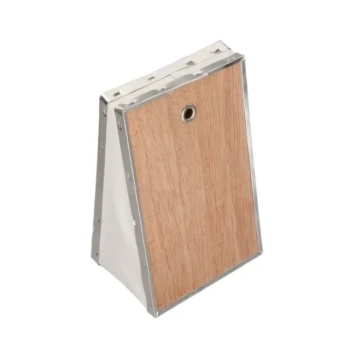
Professional Replacement Bee Smoker Bellows for Beekeeping Equipment
Item Number: BSB-1

All-Weather Plastic Bellows for Bee Smokers
Item Number: BSB-3
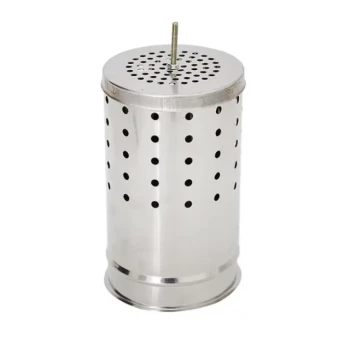
Stainless Steel Replacement Inner Canister for Bee Smokers
Item Number: BS-T
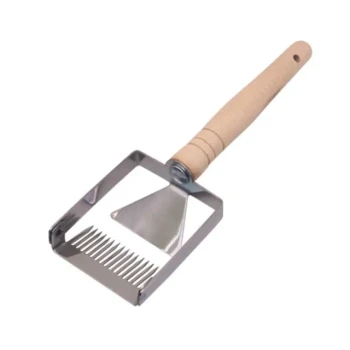
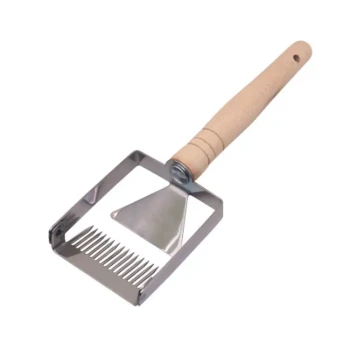
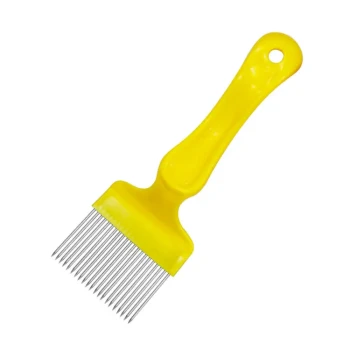
Professional Stainless Steel Uncapping Fork with Wooden Handle
Item Number: UCS-1
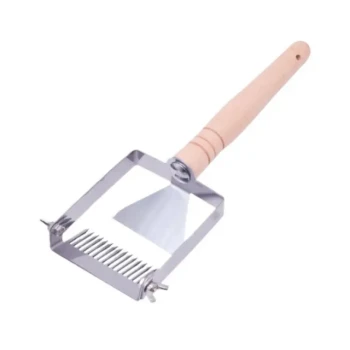
Adjustable Stainless Steel Honey Uncapping Fork with Scraper for Beekeeping
Item Number: UCS-1A
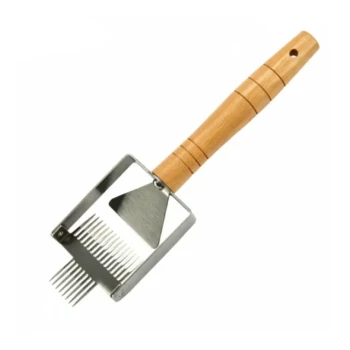
Double-Sided Pivoting Honey Uncapping Fork with Scraper for Beekeeping
Item Number: UCS-1B
REQUEST A QUOTE
Our professional team will reply to you within one business day. Please feel free to contact us!
Related Articles

How Oblong Holes in Hive Entrance Reducers Improve Security and Efficiency
Discover how oblong hole entrance reducers enhance hive security and bee traffic flow compared to traditional round-hole designs.
Why Honey Bear Packaging Wins: Psychology, Functionality, and Safety Behind Its Enduring Appeal
Discover why honey bear packaging wins with psychology, functionality, and safety—boosting sales and consumer appeal.
How to Harvest Honey Humanely Using Escape Boards: A Beekeeper’s Guide
Learn humane honey harvesting with triangle escape boards—minimize bee stress while maximizing yield. Essential for ethical beekeepers.
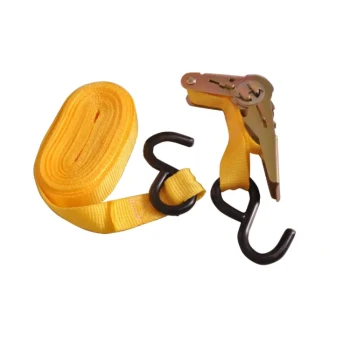
How to Store Hive Straps Properly to Prevent Damage and Boost Efficiency
Learn expert tips for storing hive straps to prevent damage, extend lifespan, and maintain hive security. Ideal for nylon, polyester, and metal components.
Beyond Honey: The Strategic Calculus of the Pollen Trap
Pollen traps offer a protein reserve for colony growth but introduce risks. Learn the strategic calculus for using this powerful beekeeping tool.
Why Nucs Give New Beekeepers a 75% Higher Success Rate (and How to Maximize Their Advantage)
Nucs boost new beekeepers' success rates by 75% with established colonies, accepted queens, and faster honey production. Learn how to maximize their advantages.
Why Your Bee Brush Might Be Costing You Honey—And the Professional's Approach to a Calmer, More Productive Apiary
Discover why overusing a bee brush agitates hives and hurts your yield. Learn the professional technique for calmer inspections and more efficient harvests.
The Art of Gentle Intervention: A Guide to Pollen Trap Mechanics and Bee Psychology
Explore pollen trap design from a systems perspective, balancing harvest efficiency with the psychology and health of your bee colony.
Control vs. Versatility: The Engineering Psychology of Hive Tools
Explore the trade-offs between a frame lifter and a standard hive tool, and how tool choice impacts beekeeper confidence and colony safety.
How to Ensure New Beehive Survival: Feeding Strategies and Colony Milestones
Learn essential feeding strategies and colony milestones to ensure new beehive survival. Tips on sugar syrup ratios, pollen patties, and progress monitoring.
Beyond Lifting: The Frame Gripper and the Psychology of Control in Beekeeping
A frame gripper isn't just for lifting; it's a tool for control, minimizing hive stress and boosting beekeeper confidence for safer apiary management.
Anatomy of a Hive Tool: The Simple Physics of Calm Beekeeping
Explore how a hive tool's geometry—flat, bent, and hooked—provides mechanical advantages for efficient, gentle, and stress-free hive management.
How to Optimize Autumn Syrup for Stronger Hives and Higher Honey Yields
Optimize autumn syrup with 1.6:1 sugar ratio for stronger hives, faster curing, and higher winter survival rates. Essential beekeeping tips inside.
The Unsung Interface: Why a Simple Hive Tool Defines Beekeeping
The beekeeper's hive tool isn't just a pry bar; it's a crucial interface designed to respectfully overcome the bee's powerful propolis engineering.
Leverage and Finesse: The Ergonomic Imperative of the Hive Tool
Discover why the 8-10 inch hive tool is the professional standard, balancing the physics of leverage with the psychological need for control.
How to Maintain Genetic Diversity in Queenless Bee Colonies: Practical Strategies for Small Apiaries
Learn science-backed strategies to maintain genetic diversity in queenless bee colonies for small apiaries. Prevent inbreeding with tactical relocation and drone management.
The Unseen Cost of a Single Point of Failure: A Beekeeper's Guide to Hive Tools
Discover why relying on a single hive tool creates a critical failure point in apiary management and how a multi-tool system boosts resilience.
How to Choose Between Telescoping and Migratory Lids for Your Langstroth Hive
Compare telescoping vs. migratory lids for Langstroth hives: climate adaptability, mobility, and cost factors for optimal beekeeping performance.
An Extension of the Hand: The Physics and Psychology of the Beekeeper's Hive Tool
Explore the hive tool's design, from the physics of prying propolis to the psychology of a calm inspection. A simple tool for a complex system.
Leverage, Force, and Finesse: An Engineer's Guide to Hive Tool Selection
Choosing between a standard and J-hook hive tool isn't about preference, but understanding the physics of leverage for efficient, gentle beekeeping.