Toggle Categories
Get Instant Support
Choose your preferred way to connect with our team
-
Get Free Quote Fill out form for detailed pricing
-
Send Email Detailed inquiry support
-
WhatsApp Quick mobile chat
Response Time
Within 8 hours on working days, 24 hours on holidays









Protective Gear

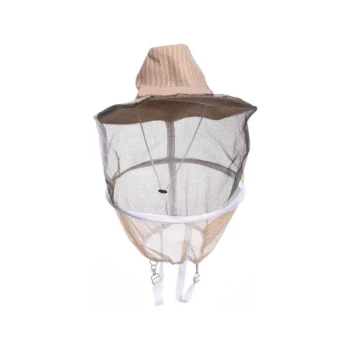
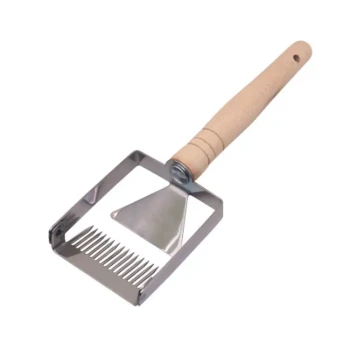



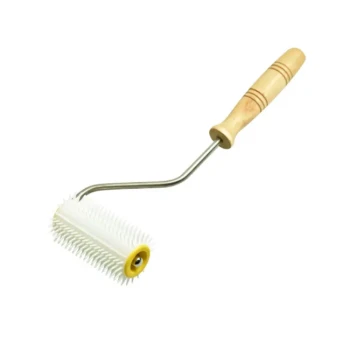
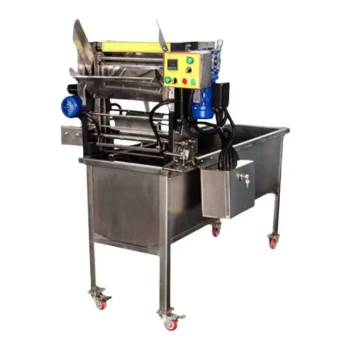










Beeswax Processing Equipment




Pollen & Propolis & Royal Jelly Processing
Hive & Frame Making Machines


Products

HONESTBEE Collapsible Tiered Bee Swarm Catcher for Beekeeping
Item Number: SCB-2

Professional Thermostatic Conical Honey Melter
Item Number: HHT-4
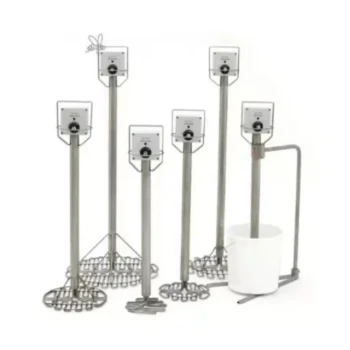
HONESTBEE Commercial Upright Honey Melter
Item Number: HHT-5
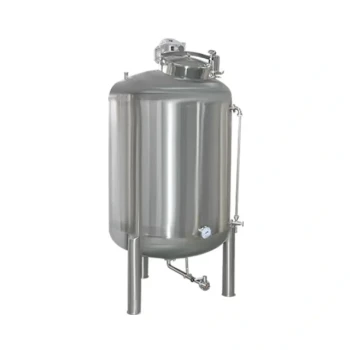
Professional Honey Storage Tank with Agitation System
Item Number: HST1000
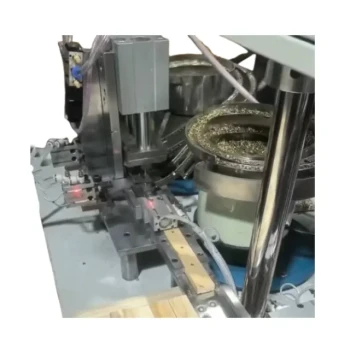
Automatic Pneumatic Bee Frame Machine for Eyelet Insertion
Item Number: BFEM-2
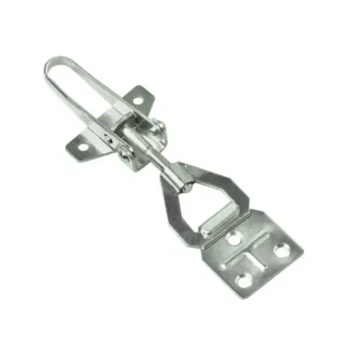
Heavy Duty Adjustable Hive Connector
Item Number: HC-2
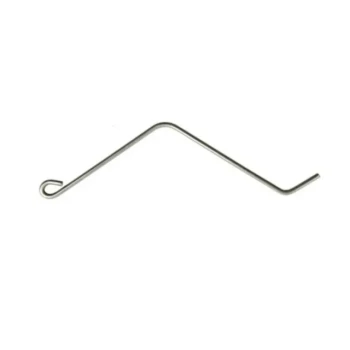
V-Shaped Spring Hive Connector for Beekeeping
Item Number: HC-3

Professional Classic Wood Handle Honey Uncapping Fork
Item Number: UCF-4


Stainless Steel Double Sided Honey Uncapping Fork with Scraper
Item Number: UCS-3B
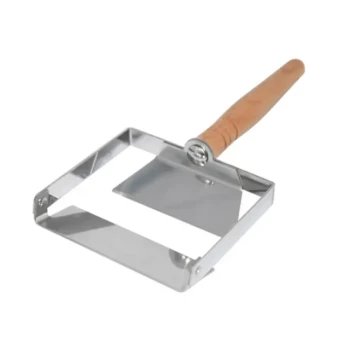
Stainless Steel Dual Blade Uncapping Plane
Item Number: UCS-4

All-Stainless Steel Pivoting Honey Uncapping Fork for Beekeeping
Item Number: UCS-5
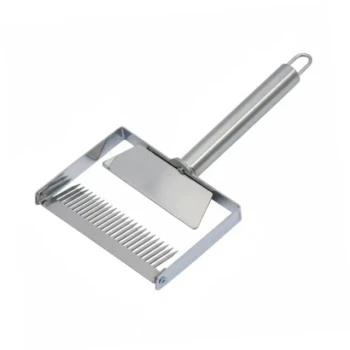
Extra-Wide All-Stainless Steel Honey Uncapping Fork with T-Handle
Item Number: UCS-6

Gourd Shaped Hanging Wasp Trap Professional Wasp Catcher
Item Number: HWT-3
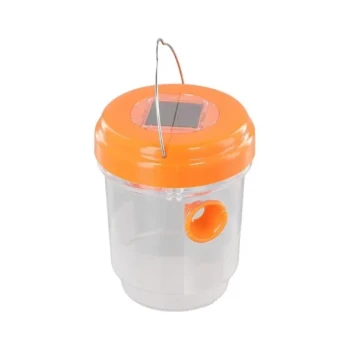
Solar Powered LED Wasp Trap
Item Number: HWT-6
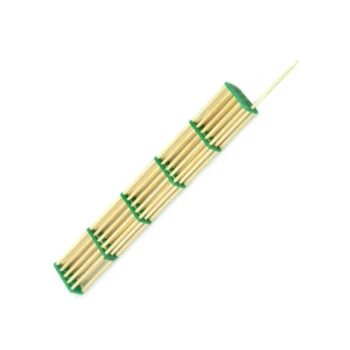
Professional Bamboo Queen Isolation Cage
Item Number: QC-3

Heavy Duty Stainless Steel Queen Bee Catcher Clip
Item Number: QC-7
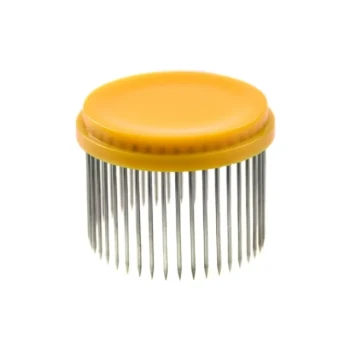
Professional Round Push-In Queen Cage with Metal Tines
Item Number: QC-9
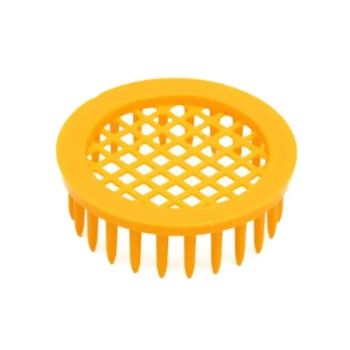
Durable Plastic Push In Queen Bee Cage
Item Number: QC-10
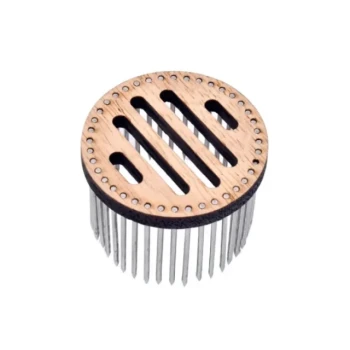
Premium Wood and Steel Push In Queen Cage
Item Number: QC-11
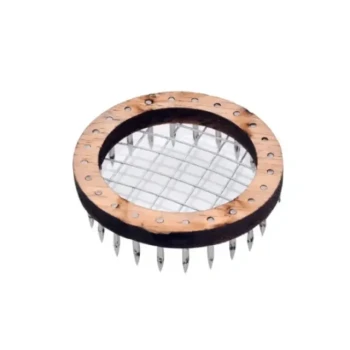
Wood and Mesh Push-In Queen Cage
Item Number: QC-12

Professional Queen Catcher and Introduction Queen Cage
Item Number: QC-16
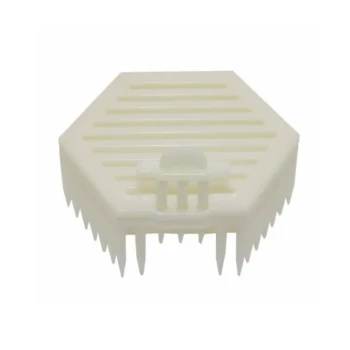
Hexagonal Direct Comb Introduction Queen Bee Cage
Item Number: QC-17

Professional Queen Bee Introduction and Transport Cage
Item Number: QC-19

Professional Multi-Functional Queen Bee Cage
Item Number: QC-20

Durable Galvanized Steel Spring Queen Bee Cage
Item Number: QC-23
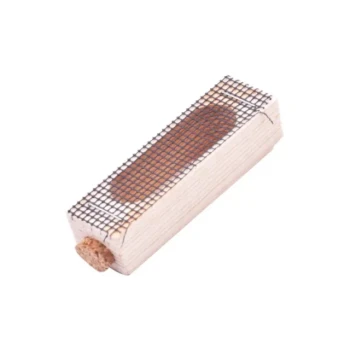
Classic Wooden and Mesh California Queen Cage
Item Number: QC-22
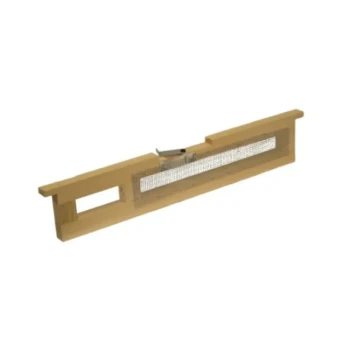
Professional Wooden Requeening Frame for Beekeeping
Item Number: RF-1
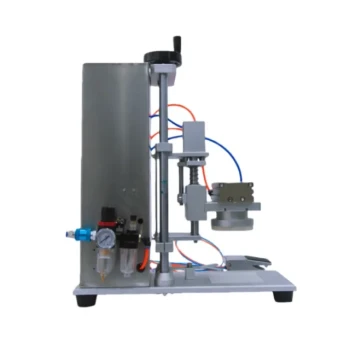
HONESTBEE Professional Benchtop Pneumatic Bottle Capping Machine Capper
Item Number: BCM-2A

Heavy Duty Laser Cut Bee Design Metal Frame Perch
Item Number: BFP-4
REQUEST A QUOTE
Our professional team will reply to you within one business day. Please feel free to contact us!
Related Articles

The Unseen Barrier: Why a Queen Excluder Becomes a Death Trap in Winter
Discover how the honey bee winter cluster's natural upward movement can turn a queen excluder into a fatal barrier, leading to colony collapse.
The Operator, Not the Optics: Why Honey Refractometer Accuracy Is a Matter of Discipline
Honey refractometer accuracy depends less on the tool and more on a disciplined three-part process: calibration, sample prep, and immediate cleaning.
Order from Chaos: The Deliberate Design of the Beekeeping Frame Perch
A beekeeper's frame perch is designed for three frames not by chance, but to enforce a workflow that protects bees and improves inspection efficiency.
The Physics of Trust: Why Your Honey Refractometer Lies Without Temperature Discipline
Temperature changes honey's density, creating false refractometer readings. Learn why thermal equilibrium is key to avoiding fermentation and ensuring quality.
More Than Melting: Why Your Honey Heating Method Is Silently Costing You Money
Learn why common honey heating methods can damage quality and hurt profits. Discover the right equipment to protect your honey's value and scale your business.
How Bee Escape Boards Enable Ethical Honey Harvests Without Colony Stress
Learn how bee escape boards enable ethical honey harvesting without stressing colonies. Discover installation tips, material comparisons, and troubleshooting.
The Hidden Bottleneck: Why Inconsistent Honey Heating Is Stalling Your Operation—And How to Fix It
Struggling with slow honey processing and quality loss? Learn why inconsistent heating is the real bottleneck and how precise warming equipment can boost efficiency.
Is Your Honey Dryer Secretly "Cooking" Your Profits?
Discover why precise temperature control at 35°C is crucial for preserving honey quality, preventing enzyme degradation, and protecting your bottom line. Learn the hidden costs of overheating.
How Beekeepers Can Control Late-Summer Varroa Mites Without Compromising Honey Quality
Learn how beekeepers can control late-summer Varroa mites without compromising honey quality with strategic monitoring and proactive interventions.
The Uncapping Fork: Precision Over Pace in Honey Extraction
Discover why the uncapping fork's true value lies not in speed, but in its surgical precision for handling irregular combs and preserving hive health.
The Weight of Winter: A Systems Approach to Pre-Season Bee Feeding
Successful wintering isn't about feeding bees; it's about correcting a resource deficit at the right time. Learn the strategic calculus of hive prep.
How Queen Supersedure Disrupts Colony Strength Assessments in Beekeeping
Learn how queen supersedure affects colony strength assessments in beekeeping and best practices for accurate hive management.
The Unseen Architecture: Why Bee Escapes Work on Physics, But Fail on Psychology
A bee escape's success hinges on understanding bee psychology—their instincts for warmth, navigation, and unbreakable brood care. Here's how to master it.
Beyond the Centrifuge: The Strategic Case for the Honey Press
Learn why the honey press isn't just another tool, but a strategic choice that defines your apiary's efficiency, yield, and philosophy.
The Physics of a Winter Hive: Why Moisture, Not Cold, is the Silent Killer
Proper hive insulation isn't about heat, but managing moisture. Learn the system to prevent condensation and ensure your colony's winter survival.
The Physics of Procrastination: Mastering the Uncapping Knife Cleanup
Cleaning an uncapping knife is a lesson in thermodynamics. Act while it's hot to turn a sticky, difficult chore into a simple, effective wipe-down.
Honey Press: Why Simplicity Can Be a Hidden Trap for Commercial Beekeepers
Discover why the seemingly simple honey press isn't suitable for commercial beekeeping, the hidden costs of its "easy" operation, and efficient alternatives.
Precision in the Apiary: The Unsung Virtues of the Uncapping Fork
The uncapping fork isn't just a tool; it's a strategic choice between speed and precision, essential for both hive health and maximizing honey yield.
Why Your Honey Press Is Underperforming (And Why It’s Not the Press’s Fault)
Struggling with low yields and slow honey extraction? Discover the root cause isn't pressure, but temperature, and how to fix it for good.
Why Your New Queens Get Rejected—And How the Right Cage Prevents It
Learn the #1 reason new queen bees fail and why the mailing cage is more than a box—it's a critical tool for ensuring colony acceptance and success.